
GEORGE WOSTENHOLM.
George Wostenholm: The Legacy of Sheffield’s Celebrated Cutler
Introduction
For over 200 years, the name George Wostenholm has been synonymous with quality cutlery produced in Sheffield, England. Wostenholm founded his cutlery company in the late 18th century, building it into one of the most renowned knife makers in Britain. Even today, generations later, the George Wostenholm brand continues to be respected for its expert craftsmanship and classic designs.
Early Years and Founding the Company
George Wostenholm was born in 1786 in Sheffield. At the time, Sheffield was quickly establishing itself as the center of cutlery production in England due to its abundance of water power and proximity to sources of coal and iron ore. As a young man, Wostenholm apprenticeed under renowned knife maker Benjamin Horn, learning the cutlers’ trade.
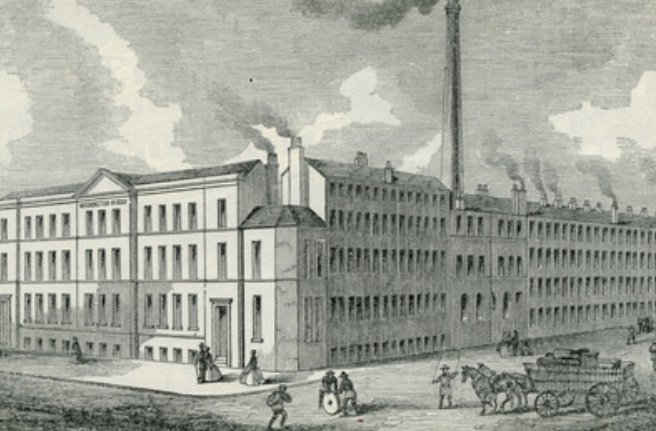
In 1815, at the age of 29, Wostenholm leased a grinding wheel at the newly built Norfolk Works, giving him an independent base from which to start his own cutlery business. Demand for Sheffield knives was growing rapidly, both for household use and for the military, which provided Wostenholm with a solid customer base. His high quality knives and razors soon earned widespread acclaim.
19th Century Expansion
Wostenholm’s company continued to prosper in the 19th century. By 1840 he had purchased the Norfolk Works outright. He introduced mechanization to increase production while still maintaining strict quality standards. He also capitalized on the international reputation Sheffield cutlery had developed, exporting his knives worldwide.
When George Wostenholm died in 1876 at the age of 90, his three sons took over management of the company. They expanded the operation further, introducing new grinding machines and employing over 600 workers at the Norfolk Works site. By the late 1800s, George Wostenholm & Son, as the company was now called, was one of the largest knife manufacturers in England.
20th Century Developments
The early 1900s brought challenges for Sheffield’s cutlery industry due to competition from abroad. But the George Wostenholm company continued adapting, introducing stainless steel blades in the 1920s. During World War II, the factory suspended normal cutlery production in order to manufacture knives and machetes for the war effort.
In the second half of the 20th century, the George Wostenholm name remained well-known and highly regarded. They continued developing new designs and techniques while preserving their heritage of quality. Ownership of the company passed through several different parent corporations, but Wostenholm knives and razors remained a benchmark for excellence.
Legacy Today
While no longer family-owned, George Wostenholm has lasted through over 200 years of change in Sheffield. It remains one of the oldest cutlery brands still in existence worldwide. Their vintage knives are sought after by collectors. And many of their classic styles, like the famous Sheffield I*XL bowie knife, are still produced today using the same standards of quality that made George Wostenholm’s name legendary among knife aficionados. Over two centuries after its founding, the George Wostenholm brand maintains the legacy of its celebrated founder while also innovating to meet the needs of modern customers.
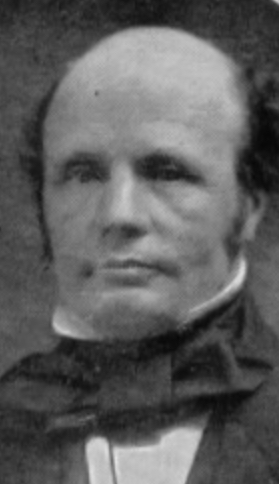
JOSEPH RODGERS.
Joseph Rodgers: Sheffield Cutlery fit for Royalty
Introduction
Joseph Rodgers was one of the most prominent cutlers in Sheffield, England during the 18th and 19th centuries. The company he founded produced some of the finest knives and razors used by everyone from local workers to royalty. Even today, the Joseph Rodgers name is still treasured by knife enthusiasts around the world.
Founding the Company
Joseph Rodgers was born in 1746 in a village just outside Sheffield. After apprenticing with a local cutler, he set up his own cutlery workshop on Norfolk Street in Sheffield in 1785. Demand for knives and razors was growing rapidly in Sheffield due to the abundance of water power and resources needed to produce steel. Rodgers took advantage of this boom by manufacturing high quality cutlery using the latest techniques.
His straight razors, pocket knives, and table cutlery earned a reputation for quality, reliability, and elegant design. Rodgers passed on his skills to his five sons, who helped expand the business. By 1820, the company moved to a larger site on Arundel Street and became known as Joseph Rodgers & Sons.
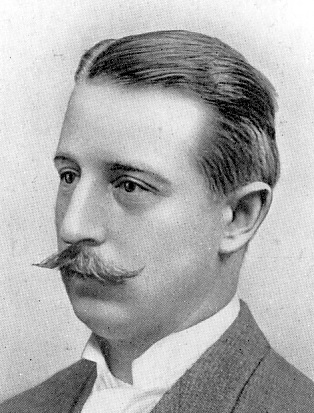
Royal Warrants
A huge milestone came in 1840 when Queen Victoria awarded the first of several royal warrants to Joseph Rodgers & Sons. Having the royal crest on Rodgers knives and razors cemented the brand’s reputation for excellence. Joseph Rodgers cutlery was used in royal households for over 150 years. King Edward VII, King George V, and Queen Mary were among the other royal patrons of Joseph Rodgers.
Expanding Production
By the 1860s, the Arundel Street works employed over 500 workers to meet demand. Joseph Rodgers & Sons continued investing in the latest technologies, such as drop forging machines and new grinding techniques. They exported their knives worldwide, from America to Australia to Africa.
Joseph Rodgers died in 1871, but his sons and descendants carried on the company for four more generations. They continued expanding the Arundel Street works until it covered five acres. While staying true to their heritage, they also introduced new designs like stainless steel and celluloid handled cutlery to meet changing tastes.
Legacy Today
After over 180 years in Sheffield, Joseph Rodgers eventually closed its factory in the 1970s due to a combination of foreign competition and a slump in the cutlery industry. However, the Joseph Rodgers name lives on through collectors and knife enthusiasts who still appreciate the craftsmanship and quality behind it. Vintage Rodgers cutlery can fetch high prices at auction.
Even today, Joseph Rodgers knives and razors are still coveted objects and a tribute to the company’s legacy of producing some of the finest cutlery in England fit for royalty. The brand remains a Sheffield institution and a treasure of cutlery history.
TAYLORS EYE WITNESS.
Taylors Eye Witness: Celebrating Sheffield Steel for 150 Years
Introduction
For over 150 years, Taylors Eye Witness has been producing quality cutlery that brings together traditional Sheffield craftsmanship with innovative design. From their distinctive logo to their world-renowned kitchen knives, Taylors Eye Witness has built a legacy as one of Sheffield’s most iconic cutlery brands.
Early Years in Sheffield
The company was founded in 1875 by William Taylors and Harry Scattergood. Taylors brought experience working at his father’s knife firm, while Scattergood provided financial backing. They established the Weircliffe Works in Sheffield to produce razors, scissors, table cutlery and pock knives.
The name “Eye Witness” came from their logo of an eye encased in a shield, symbolizing the strength and reliability of their products. The company motto “Sheffield Steel” also emphasized the quality Sheffield was famous for.


Growth and Expansion
By 1900, Taylors Eye Witness had over 500 employees producing around 2000 dozen items per week. They exported products worldwide, from North America to Australia.
The early 1900s brought product innovations like stainless steel and celluloid handles. In 1925, Taylors Eye Witness merged with another Sheffield cutler, George Ibberson & Co., allowing them to increase production capabilities. The company continued growing despite challenges like the Great Depression and World War II.
Post-War prosperity
After World War II, Taylors Eye Witness expanded operations to meet growing demand. They introduced new machinery and acquired other manufacturing facilities around Sheffield. By the 1960s, they produced over 10,000 dozen items per week.
It was during this postwar period that Taylors Eye Witness became particularly renowned for kitchen and chefs knives. They supplied many restaurants, hotels, and food services. Their iconic green handled kitchen knives became a staple in both professional and home kitchens.
Recent Developments
By the 1990s, Taylors Eye Witness employed over 600 workers in Sheffield. While production became more automated, skilled workers still performed key manufacturing steps. In 2004, the company moved operations to a new, modernized factory while still maintaining their legacy in Sheffield.
Today, Taylors Eye Witness combines 150 years of Sheffield heritage with modern technology and design. They continue producing professional chef knives along with innovative products like ceramic knives. From humble beginnings, the company has become globally recognized for iconic cutlery bearing the distinctive Eye Witness logo.
For over a century and a half, Taylors Eye Witness has demonstrated a commitment to quality, innovation and preserving Sheffield’s reputation for steel. Their kitchen knives and other products have become icons representing the excellence of traditional Sheffield cutlery married with cutting-edge technology. With a rich history behind them, Taylors Eye Witness is poised to continue their legacy long into the future.
G IBBERSON & CO.
G. Ibberson & Co.: A Sheffield Cutlery Institution

For over 150 years, G. Ibberson & Co. produced some of the finest cutlery in Sheffield, England. Founded in the mid-19th century, the company earned a sterling reputation for quality knives, razors, and scissors that stood the test of time. Even today, vintage Ibberson cutlery is highly sought after by collectors worldwide.
Early Years
The origins of G. Ibberson trace back to 1845 when George Ibberson leased a small workshop on Arundel Street in Sheffield. He began manufacturing razors, pocket knives, and table cutlery. Sheffield was quickly cementing its status as the center of cutlery production in England, which allowed Ibberson’s business to thrive.
Ibberson established a reputation for producing reliable, well-made cutlery using the latest techniques. As his company grew, he leased the historic Norfolk Works on Norfolk Street in 1872. The larger premises allowed Ibberson to increase production through mechanization while maintaining quality.
Expansion & Growth
By the early 1900s, G. Ibberson & Co. employed over 600 workers and exported products worldwide. They were known for utilizing innovations like stainless steel to meet changing tastes. All the while, they still relied on skilled Sheffield craftsmen to polish, hone, and sharpen each piece.
In 1925, the company merged with another successful Sheffield cutler – Taylors Eye Witness. The combined company was better positioned to withstand challenging economic times impacting England’s cutlery industry.
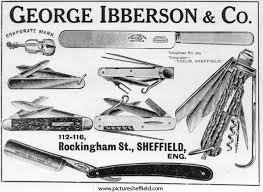
Even through World War II, G. Ibberson continued producing their trademark cutlery. The company motto “Accuracy and Finish” exemplified their commitment to quality products.
Lasting Legacy
By the 1960s, G. Ibberson & Co. was one of the oldest and most respected cutlery firms in Sheffield. However, like many British manufacturers, they struggled with rising costs and foreign competition. The company was eventually dissolved in the early 1980s after over 130 years of cutlery excellence.
Today, vintage G. Ibberson & Co. knives, straight razors, and scissors are prized possessions for collectors. Products bearing the distinctive Ibberson name and logo remain a testament to Sheffield’s history of world-class cutlery. The G. Ibberson legacy lives on as one of the most esteemed names in vintage cutlery craftsmanship.
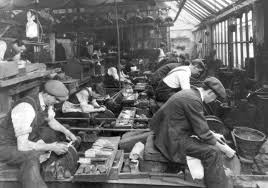
For generations, G. Ibberson & Co. was an institution in Sheffield cutlery production. Their unwavering commitment to quality and innovation allowed them to thrive and become renowned worldwide. The G. Ibberson name graced countless homes and businesses over the decades, creating a lasting legacy befitting one of England’s most celebrated cutlery makers.
GERLACH.
Gerlach Knives: A Tradition of German Bladesmithing since 1918
Introduction
The Gerlach brand has been synonymous with expertly crafted German knives for over a century. Founded in 1918 and based in the legendary cutlery center of Solingen, Gerlach has produced generations of knives that exemplify traditional German design, quality, and workmanship. Even as knife manufacturing techniques have evolved, Gerlach remains dedicated to Old-World artisanship and attention to detail.

Early History in Solingen
The Gerlach family had been crafting knives and blades in Solingen since the mid-1800s. August Gerlach officially established the A. Gerlach company in 1918, taking advantage of Solingen’s long heritage of cutlery. Solingen was the knife-making capital of Germany, known globally for sword and knife manufacturing. This gave Gerlach access to generations of knife-making knowledge and skilled craftsmen.
The company produced a range of household, hunting, and pocket knives. Much of the production work was done by hand by experienced bladesmiths. Gerlach knives earned a reputation for quality and reliability across Germany. They were known for features like the distinctive single-sight spring and brass liner lock.
Growth and Brand Recognition
By the 1950s and 60s, Gerlach had grown into one of the largest and most recognizable knife brands in Germany. The company employed over 500 employees and exported knives worldwide. While adopting some modernized production techniques, Gerlach maintained traditions like hand-grinding blades and hand-assembling knives.
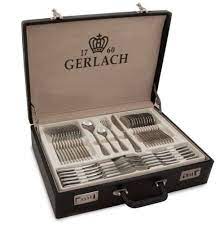
The iconic Gerlach girl trademark was introduced in 1968. The image of a young girl became synonymous with Gerlach across Germany. Their knives also gained renown through distribution in the German Army and nationwide outdoor retail chains.
Transition to an International Brand
Gerlach continued to experience success into the 1990s and 2000s. As demand grew, production expanded with a state-of-the-art facility still located in Solingen. In 1996, Gerlach merged with American knife company Imperial Schrade, helping to expand their international reach.
Today, Gerlach manufactures around 500,000 knives annually, from traditional folding pocket knives to hunting and survival knives. While many operations have become automated, handcrafting remains at the heart of select product lines. Gerlach continues honoring their legacy as one of Solingen’s most storied knife brands.
For over 100 years, Gerlach has steadily built their reputation for quality German knives rooted in tradition. Their resilient growth demonstrates a balance between upholding knife-making heritage and advancing production capabilities. With a foundation in Solingen coupled with modern innovations, Gerlach knives will continue displaying the very best of German craftsmanship.
RICHARDS.
Richards: Sheffield Cutlery Crafted to Perfection Since 1818.
Introduction
The Richards family name has been associated with expert knife making for over 200 years in Sheffield, England. Since its founding, the company has been passed down through generations that have built upon its legacy of producing some of the finest cutlery in Britain. From folding knives to fixed blade knives, Richards has made quality craftsmanship its hallmark.
Early History
The origins of Richards trace back to 1818 when John Richards established a small cutlery workshop in Sheffield. He built the company’s foundations manufacturing razors, shears and table knives. His three sons later joined the business as apprentices, learning the cutlery trade from their father.
As the 19th century progressed, Richards invested in the latest knife making machinery and techniques. This allowed increased production while maintaining stringent standards. Their pocket and sporting knives earned acclaim across England for precision manufacturing.
Growth & Expansion
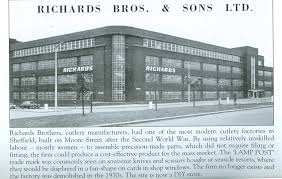
In the early 1900s, Richards was led by the founder’s great grandsons, William and Albert Richards. They oversaw major expansions, including the construction of the iconic River Don Works facility in 1905. By 1929, Richards had become the largest cutlery firm in Sheffield.
Even through difficult periods like the Depression and World Wars, Richards continued growing through quality products and innovation. They pioneered new steel alloys and mass production methods that shaped 20th century cutlery manufacturing.
Post-War Brand Recognition
After World War II, Richards Cutlery was known across Europe and America for knives, scissors, and razors. Their switchblade and automatic knife patterns from the 50s and 60s are now iconic. The Richards name graced millions of homes.

While many competitors faltered against foreign competition, Richards maintained success through marketing and expanding exports. By the 1970s, they produced over 260 different patterns of sporting and pocket knives.
Continued Legacy
Richards remained family-owned until the 21st century when it was acquired by American cutlery company Imperial Schrade. Throughout changes in ownership, Richards never wavered from 200 years of Sheffield tradition. Today, versions of classic folding knives like the Sheffield Jack Russel are still produced for collectors and knife enthusiasts who respect the Richards legacy.
For over 200 years across nine generations, Richards has epitomized the heritage, resilience and quality of Sheffield cutlers. From its origins as a small family workshop, Richards has grown into one of the most respected knife making brands. Through dedication to their craft, the Richards name has built a legacy that will endure into the future.
SOLENGEN.
The Legendary Cutlers of Solingen: Centuries of German Blade History
Introduction
The small city of Solingen in Germany is famed worldwide as a historic center of bladesmithing and cutlery production. For over 700 years, generations of master knife makers in Solingen have honed the craft that made their city synonymous with the finest knives and swords. Solingen’s cutlers guild, innovative techniques, and reputation for quality have solidified its status as one of the most important knife making cities globally.
Early Sword Making
Solingen’s legacy traces back to Medieval blacksmiths producing swords and blades as early as the 14th century. Its proximity to sources of iron ore, coal, and water power formed the foundations for blade making to thrive. Solingen swords, derived from Toledo and Damascus steel, gained acclaim across Europe for their legendary sharpness and strength.
By the 1600s, Solingen was one of the continent’s major sword making centers, supplying military officers and noblemen. As demand grew, cutlers organized into guilds that codified training and standards. These foundations of craftsmanship were passed down through generations even as swords fell out of favor.
Transition to Cutlery
By the 18th century, Solingen adapted to declining sword demand by focusing on knives, razors, scissors and surgical instruments. Cutlers utilized water-powered grinding wheels and trip-hammers to produce all varieties of cutlery.
Solingen knives and razors became coveted for everyday use across Europe and overseas. Local cutlers like the Wüsthof, Dreiturm, and Linder brands led production. Trade apprenticeships ensured skills were maintained. By 1865, over 80 cutlery manufacturers called Solingen home.
Cutlery Innovation
Cutlers in Solingen eagerly adopted technical innovations through the 19th and 20th centuries. Use of stainless steel starting in the 1920s revolutionized cutlery. More automated production methods increased output while maintaining quality control.
Global brands like Henckels, and DOVO emerged. Solingen cutlery graced kitchens and barber shops worldwide. Even as cheaper imports created competition, Solingen maintained its elite status through technical innovation and marketing.

Legacy Today
While only a fraction of the cutlery industry remains, Solingen is still recognized globally for outstanding quality. Over 100 cutlery brands operate there currently. To be called Solingen-made, knives must still pass rigorous craftsmanship standards.
The Solingen name remains synonymous with generations of expertise perfecting blades. Their cutlers carry on centuries-old traditions today through a blend of hand-craftsmanship and modern technology that keeps Solingen at the forefront of global cutlery production.
For over 700 years, Solingen’s mastery of bladesmithing has made it the world’s cutlery epicenter. The technical skill, pursuit of perfection, and resilience passed down through generations of cutlers has maintained Solingen’s stature through centuries of change. Its living legacy continues to shape the knife making industry today.
STAG.
Stag Cutlery: Iconic American Knives Since 1905
Introduction
For over a century, the Stag brand has been synonymous with well-crafted pocket knives made in the United States. Founded in New York City in 1905, the company’s classic designs and attention to quality manufacturing have given Stag an enduring legacy in the world of cutlery. The sleek stag logo has graced millions of pocket knives treasured by generations.
Early 20th Century Origins
Stag Cutlery began operations in 1905 founded by Harry Baer. Baer was an experienced sales agent for various cutlery importers and decided to establish his own trademark. He chose the iconic image of a stag with antlers as the company’s logo. The Stag brand name evoked strength, reliability and timelessness.
The first knives were manufactured in Germany, France and Scandinavia, while sales operations centered in New York City. Stag knives focused on elegant designs and high quality materials meant to last. This quickly earned them appeal as an affordable and dependable pocket knife.
Growth & Expansion
By the 1920s, Stag was one of the leading pocket knife brands in America. They offered a range of knife patterns like the Whittler, Congress, Pruner, and Stockman suited for everyday use. Stag capitalized on a growing mail-order business to expand distribution nationwide.
After Baer’s retirement in the 1930s, Stag came under new ownership but maintained focus on craftsmanship and variety. By the 1950s, they produced over 800,000 knives annually across 60 different patterns. The Bowie knife and other larger styles were introduced for hunting and survival needs.
An American Brand
In 1968, Stag shifted all manufacturing to the United States and became an exclusively American-made brand. They purchased a factory in Ellenville, New York that is still in use today.
Even as competitors turned to China, Stag remained dedicated to domestic manufacturing. Their dedication to quality materials and skilled American labor has enabled Stag to thrive into the 21st century.
Legacy Today
While now owned by the American company Zippo, Stag Cutlery retains its heritage. Many classic Stag models like the Damascan still incorporate wood handles and brass bolsters. Stag knives are passed down across generations.
Since 1905, Stag Cutlery has consistently delivered on their motto “a knife you can stake your reputation on.” Their timeless designs and craftsmanship uphold made-in-America cutlery traditions over a century strong.
Stag pocket knives have carved out an iconic niche in American cutlery history. As one of the nation’s oldest and most respected manufactures, Stag continues demonstrating a commitment to skilled workmanship. The sleek stag symbol endures as a mark of a dependable, everyday carry knife backed by decades of quality.
WHITBY & CO.
Whitby Cutlery: Celebrating the Heritage of Yorkshire Knife Making
Introduction
The seaside town of Whitby in Yorkshire, England is famed as the home of Whitby Jet and the origins of Bram Stoker’s Dracula. But Whitby also has a storied history of cutlery manufacturing dating back centuries. Since the 19th century, Whitby Cutlery has handcrafted quality knives and dominated Yorkshire’s cutlery trade. Though the company has changed over time, Whitby Cutlery represents generations of skilled knife making rooted in this coastal English town.
Early Origins
Knife making in Whitby dates back to the 16th century when port trade facilitated importing steel and exporting finished cutlery worldwide. Local cutlers crafted pocket knives, table cutlery, and other tools by hand using high carbon steel.

In the 1840s, the first large scale cutlery operation emerged in Whitby. John Newton and Sons met growing 19th century demand with a water-powered grinding workshop employing experienced bladesmiths. Other cutlery companies like SA & J Metcalf soon followed.
Rise of Whitby Cutlery
In 1894, several leading Whitby cutlers merged to form the Whitby Cutlery Company Ltd. Located on Skinner Street, the company specialized in knives, razors, and scissors.
Business boomed in the early 20th century. Whitby Cutlery added modernized drop forging, grinding, and finishing machinery to increase production while maintaining quality. Classic folding pocket knives like the Whitby Jack proved popular worldwide.
Post-War Challenges and Change
After World War II, Whitby Cutlery struggled against imported cutlery and the decline of British manufacturing. The company was sold to George Ibberson and Sons of Sheffield in 1967, ending over 70 years of local ownership. Later acquisitions by Cooper Tools and Robert Klaas continued to diminish Whitby’s autonomy.
However, Whitby Cutlery had already firmly established the town’s reputation for quality knives. Even today, collectors covet vintage Whitby knives locally crafted from Yorkshire steel.
Revival and Legacy
In recent years, there has been a renewed interest in preserving Yorkshire’s cutlery heritage. Whitby Cutlery was acquired in 2016 by Yorkshire-born entrepreneur Thomas Turner, with hopes to restore production in Whitby once more.
Though changed by time, Whitby Cutlery maintains a legacy spanning centuries of Yorkshire craftsmanship. The Whitby name remains renowned among knife aficionados who appreciate generations of made-in-England cutlery history.
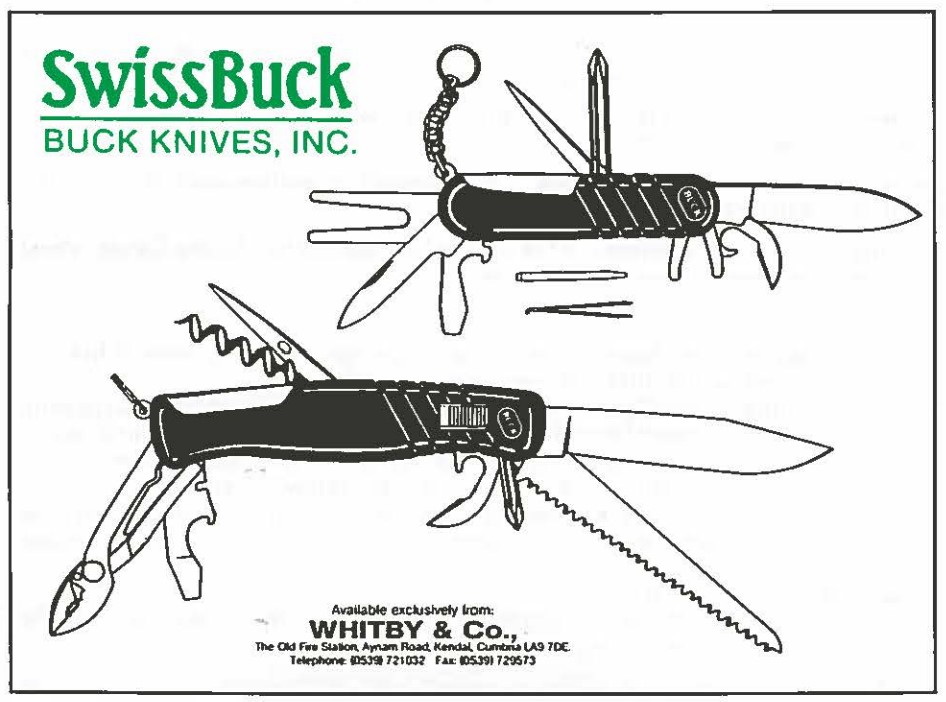
For over 150 years, Whitby Cutlery Company crafted pocket knives that highlighted Yorkshire’s knifemaking prowess. Through dedication to skilled workmanship and adapting to meet changing times, Whitby Cutlery became synonymous with quality British-made cutlery. Its legacy persists as a testament to Whitby’s enduring role in England’s cutlery tradition.
WILKINSON SWORD.
Wilkinson Sword: Edged Tools Forged from Heritage
Introduction
For over 200 years, Wilkinson Sword has been one of the most iconic names in blades. Starting as a British sword maker that armed soldiers worldwide, the company evolved into a leading razor and knife manufacturer. Through expertise and innovation around edged tools, Wilkinson Sword became a renowned global brand.
Early Sword Making
Wilkinson Sword’s origins trace back to 1772 in London, when Henry Nock was making swords and bayonets for the British military. After Nock’s death, his apprentice James Wilkinson took over the company in 1782, establishing Wilkinson Sword.
Wilkinson specialized in military sabers and quickly became an essential arms supplier to the British armed forces. The company produced over one million swords by 1820. Wilkinson sabers were renowned as expertly balanced and resilient, making them highly coveted by officers.
Diversifying into Cutlery
By the late 1800s, sword demand had declined and Wilkinson diversified into razors, cutlery, tools and other edged products. The company pioneered corrosion-resistant steel alloys that revolutionized razor manufacturing.
Wilkinson expanded internationally, exporting blades worldwide. In 1897, they received their first royal warrant to supply razors to the Royal Family, affirming their reputation for quality.
Global Edge Tool Leader
Over the next century, Wilkinson Sword experienced massive growth and became one of the world’s largest manufacturers of razors, knives, scissors, and other edge tools. They acquired competitors across Europe to expand production capabilities while still upholding British craftsmanship.
Wilkinson introduced iconic razor models like the Bullet Tip and innovative kitchen knife lines. By the 1960s, they were supplying over 90% of stainless steel knives in England while also exporting globally. The Wilkinson Sword name was synonymous with innovative edged tools.
After over 200 years at the forefront of blade making innovation, Wilkinson Sword today lives on through consumer products focused on their heritage. Wilkinson stands as a pioneering force that built an international edge tool empire around enduring sword making traditions. Their legacy of resilience, quality, and reinvention continues cutting strong.
VICTORINOX.
Victorinox: Crafting the Iconic Swiss Army Knife for over a Century
Introduction

Victorinox is instantly recognizable as the maker of the original Swiss Army Knife, one of the most versatile and iconic pocket knives ever created. But the company’s 125-year legacy extends far beyond just the legendary red-handled multi-tool. Through precision manufacturing and consistent quality, Victorinox has built an international reputation as a top knife and cutlery brand.
Founding the Company
The foundations of Victorinox began in 1884 when Karl Elsener opened a cutlery workshop in Ibach, Switzerland. At the time, Switzerland’s army was importing inferior pocket knives for its soldiers from Germany. Elsener seized the opportunity to supply Swiss-made knives to the military. His first official order came in 1891 for the “Soldier’s Knife.”

In 1909, Elsener’s mother company was renamed Victorinox, combining “Victoria” for his late mother and “inox” for stainless steel. The Swiss coat of arms was added to knife handles to represent Swiss craftsmanship. Victorinox became the exclusive cutler to the Swiss armed forces.
Global Expansion
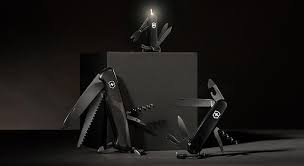
International sales soared following World War II. Victorinox perfected the multi-tool approach by packing useful features like screwdrivers, can openers, and scissors into compact Swiss Army Knives. Their patented cross-and-shield logo became universally recognized.
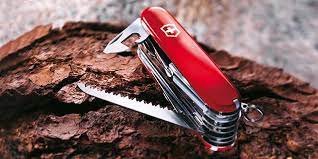
While remaining family-owned, Victorinox grew into one of the largest knife manufacturers worldwide. They diversified into kitchen cutlery, timepieces, and travel gear while upholding Swiss precision and craftsmanship. Victorinox cutlery became trusted in home and professional kitchens.
From humble beginnings over a century ago, Victorinox has grown into a global lifestyle brand while retaining its Swiss identity. Their knives exemplify expert materials, portability, and reliability. Victorinox continues honing the multi-tool concept and crafting versatile pocket knives suited for everyday carry. The iconic Swiss Army Knife shows no signs of going out of style anytime soon.
RICHARDSON.
Richardson Knives: Sheffield Steel Crafted to Perfection
Introduction
The Richardson name has been synonymous with expertly crafted Sheffield cutlery for over 150 years. Since its 19th century origins, the company has been dedicated to producing knives of unparalleled quality that showcase traditional English craftsmanship at its finest. From folding pocket knives to fixed blade knives, Richardson has built an esteemed reputation for creating Sheffield steel edged tools built to last.
19th Century Origins
The foundations of Richardson cutlery can be traced back to 1850 in Sheffield, England. John Richardson established a small knife workshop, drawing on Sheffield’s centuries-old reputation for metalworking. Richardson focused on producing sturdy, reliable pocket knives and cutting tools using locally sourced carbon steel.
As the company grew, John brought his three sons into the fold, teaching them the nuances of knife making. The company came to be known as John Richardson & Sons, representing their family-run approach to the cutlery trade. Together, they invested in new grinding and polishing machinery to increase production while upholding quality.
Growth & Expansion
By the early 1900s, Richardson & Sons was an established name across England and Europe for precision-crafted folding knives, straight razors, scissors, and surgical tools. They moved to a larger factory on Arundel Street in 1910 to meet growing demand.
Even through difficult periods like World Wars and recessions, Richardson maintained a focus on skilled workmanship and honoring Sheffield’s steel-making tradition. They supplied knives to the British Armed Forces during wartime while also providing pen knives, pocket companions, and craft knives popular for everyday carry.
Continued Legacy
While the Richardson family eventually left the cutlery business, their name lives on through the company today. Richardson Sheffield continues handcrafting knives at their historic Sheffield factory using traditional techniques perfected over generations. Their slipjoint pocket knives and fixed blades are sought after by collections as some of the best examples of vintage English cutlery.
For over 150 years across multiple families, Richardson has kept the heritage of expert Sheffield knife making alive. Their commitment to quality materials and workmanship has made their traditional folders and pocket knives highly coveted and trusted for daily use. With a legacy over a century strong, Richardson Knives will continue demonstrating the cutlery excellence that put Sheffield on the map.
DODSON.
The Legacy of Frank C. Dodson Handcrafted Knives
Introduction
In the world of custom-made knives, the name Frank C. Dodson stands out as one of the pillars of American knifemaking. Though Frank Dodson passed away in 1999, his passion for creating quality hand-forged knives has left an enduring impact on collectors and knife enthusiasts worldwide. Dodson knives, crafted in his small Oregon workshop, exemplified his dedication to Old World blacksmithing techniques combined with unique personalized style.
Early Life and Knifemaking Origins
Frank Charles Dodson was born in Seattle, Washington in 1917. After serving in World War II, Dodson learned the art of blacksmithing while working at a machine shop in California in the 1950s. Fascinated by the craft, he set out to apply his blacksmithing skills towards forging knives.
Dodson built his first knife shop on his family’s cattle ranch in central Oregon. There he carefully forged blades and handles using coal and charcoal forges. His goal was to produce handmade knives that emphasized graceful lines and forms.
Rise to Prominence
During the 1960s and 70s, Dodson’s reputation grew within knifemaking circles. His one-of-a-kind knife designs often featured elegantly curved blades and exotic carved handle materials like ivory, stag, and elk horn.
Dodson knives were appreciated both for their beauty and for their functionality as tools. His precise hammer work resulted in tough, yet flexible blades suitable for outdoor use. Dodson’s custom knives were coveted by collectors, outdoorsmen, and even Hollywood celebrities.
A Knifemaking Institution
By the 1980s, a Frank Dodson hand-forged knife had become a highly prized acquisition among knife enthusiasts. Dodson moved his Oregon workshop several times over the decades to accommodate increasing orders and growing acclaim.
Even as he approached his 80s, Dodson continued to handcraft every knife start to finish as a solo operation. Each blade bore his personal stamp and dedication to preserving knifemaking tradition.
Legacy
Frank Dodson died in 1999 at the age of 82, leaving behind a legacy of thousands of knives crafted with care and attention to detail. His unique designs and time-honored forging methods influenced a generation of custom knifemakers.
Decades later, Dodson’s knives are more treasured than ever. Collectors pay thousands of dollars to own one of his classic edged tools. The Frank C. Dodson name remains synonymous with quality, beauty, and preserving the heritage of American knifemaking.
J B HOLLAND.
J.B. Holland Knives: A Cut Above the Rest in American Cutlery
Introduction
In the world of handcrafted knives, the J.B. Holland name stands out as one of the most sought-after American knife brands. Since its founding in the 1970s, J.B. Holland has become synonymous with elegantly designed blades that highlight traditional knifemaking skills. Each Holland knife reflects the maker’s dedication to merging form and function into a practical art form.
Early Origins
The company was created by knifemaker Jim Holland in McMinnville, Oregon in 1972. Holland had learned the art of bladesmithing as a young man while working as a logger in Oregon. Launching his knifemaking business, Holland hand-ground and assembled every part of his fixed blade hunting and utility knives.
Holland quickly gained a following for his simple yet eye-catching knife designs and flawless craftsmanship. His early knives featured stainless steel blades, exotic hardwood handles, and tooled leather sheaths. Holland’s attention to detail helped his handmade knives stand out.
Growth and Expansion
By the early 1980s, Holland had moved his workshop to Washougal, Washington to meet growing demand. New models like the unique caping knife diversified Holland’s catalog while retaining his trademark style. J.B. Holland knives were soon carried in premium cutlery retailers across America.
As the company expanded, Holland brought on apprentices to assist with production while he focused on knife design. But every Holland knife continued to be hand-shaped and sharpened in-house to exacting standards. The Holland brand became a status symbol among knife connoisseurs.
A Knifemaking Legacy
Today, J.B. Holland has factories in Idaho and Oregon that produce thousands of knives annually while carrying on Holland’s legacy. The company’s skilled knifemakers carefully grind blades to a fine edge and assemble handles using traditional techniques.
Highly collectible Holland vintage knives from the 1970s and 80s can fetch thousands of dollars at auction thanks to their reputation for heirloom quality. Both then and now, the J.B. Holland name represents American knifemaking at its finest.
In his lifetime, Jim Holland elevated handcrafted knives to an artform, combining graceful design and impeccable craft. Forty years after its founding, Holland’s knives are still coveted as some of the finest cutlery ever produced in America. With its founder’s passion for perfection now part of company lore, J.B. Holland will continue setting the bar for quality American-made knives.
GERBER.
Gerber Legendary Blades: An American Knife Making Institution

Introduction
For over 80 years, Gerber Legendary Blades has been synonymous with quality, innovation, and durability in American-made knives and multitools. The Gerber name carries on a legacy of superb craftsmanship combined with clever designs that optimize functionality. From elite military forces to outdoors enthusiasts, generations have relied on Gerber’s expertise around edged tools.
Early Origins
The foundations of Gerber date back to 1939 in Portland, Oregon. Joseph Gerber was an expert knife maker who started Gerber Legendary Blades producing handmade cutlery. Gerber’s knives gained popularity during World War II among soldiers and hunters for their sturdy and reliable nature.
In 1947, Gerber introduced the now-iconic Model 600 hunting knife featuring a reliable full-tang blade. The Model 600 was praised for its balance, simplicity, and ruggedness. This early success established Gerber as a force in the hunting knife market.
Growth and Diversification
Over the following decades, Gerber significantly expanded their catalog of blade products. Their folding pocket knives, survival knives, and machetes became ubiquitous in the outdoors world.
Gerber also moved into manufacturing a wide range of hand tools that embodied simplicity and problem-solving designs. Their early multitool, the Multi-Plier 600, set the standard for versatile and compact tools.
By the 1980s, Gerber had cemented itself as one of the most trusted names in knives and tools for both civilian and military use. Their combination of quality manufacturing and dependable performance made them a leader in the tactical gear industry.
An American Knife Making Legacy
While no longer family owned, Gerber continues producing in Portland while evolving with the times. They offer updated takes on classic knives alongside new product categories.
Yet through innovations, Gerber still upholds Joe Gerber’s founding commitment to making purpose-driven gear the everyday user can rely on. Their heritage as an American knife making pioneer remains at the heart of the Gerber brand.

Gerber’s 80+ years in the knife and tool industry have cemented their place as a manufacturer that combines durability, design, and dependability. Starting from a small Portland workshop, Gerber now supplies blades and multitools to hardcore users across the globe, never compromising on the quality reputation built through generations.
FLATTER & GARNETT.
Flatter & Garnett Knives: Blades of Strength from Sheffield’s Steel Legacy
Introduction
Sheffield, England has been renowned for centuries as a global capital for cutlery manufacturing. Among the dozens of knife makers that emerged from this city, the name Flatter & Garnett stands out as a top producer of quality cutlery since the late 1800s. For over a century, the company crafted sturdy and reliable pocket knives, razors, and table cutlery that highlighted Sheffield steel at its finest.
19th Century Origins
The foundations of Flatter & Garnett were laid in 1879 when John Flatter and Thomas Garnett formed a partnership to open a knife manufacturing workshop in Sheffield. Drawing on Sheffield’s reputation for expert steel forgings, the two business partners produced robust and dependable knives catering to both domestic and overseas demand.
As the company grew, Flatter & Garnett moved to a larger factory on Rockingham Lane in 1886. They began utilizing drop forging machines and new grinding techniques to increase efficiency while maintaining stringent standards. Their pen knives, tools, and razors became known for durability.
20th Century Expansion
By the early 1900s, Flatter & Garnett was an established brand across the British Empire and Europe. They employed over 500 workers to meet increasing orders. When stainless steel was adopted in the 1920s, Flatter & Garnett pivoted quickly to this superior metal.
The company weathered challenging periods like the Great Depression and World Wars to enter the postwar era as a leading British knife producer. Their “Keep Kutting” knives and multi-bladed pocket knives were top sellers, proving the company could adapt with the times.
Legacy
While the Flatter & Garnett company was dissolved in the 1970s due to overseas competition, their durable cutlery maintained a sterling reputation. Vintage Flatter & Garnett knives are still collected today as symbols of Sheffield’s proud cutlery history.
For over 90 years, through depressions and wars, Flatter & Garnett knives demonstrated that strength and resilience at the heart of Sheffield’s steel legacy. Their blades truly represented some of the best England had to offer.
From its 19th century start as a small cutlery workshop, Flatter & Garnett epitomized Sheffield excellence in knives and tools. Their belief in sturdy, reliable products enabled the brand to withstand the tests of time and changing markets. Flatter & Garnett’s legacy stands as a testament to the historical preeminence of Sheffield steel.
JOHN PETTY & SONS.
John Petty & Sons: Sheffield Cutlery Craftsmen Since the 1700s
Introduction
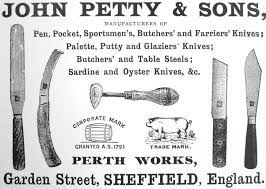
For over 200 years, John Petty & Sons was a Sheffield institution that produced some of England’s finest cutlery using generations of knife-making expertise. From its early roots as a family workshop to becoming one of Sheffield’s largest cutlery factories, Petty’s built a legacy creating knives, razors, and scissors that exemplified quality craftsmanship.

18th Century Origins
The Petty family’s cutlery origins trace back to the 1720s in Sheffield. Craftsman William Petty began forging knives and edge tools out of a small workshop attached to the family home. He passed his skills in metal working down to his son John Petty.
John Petty established the family company bearing his name in 1785. Located on Townhead Street, John Petty & Sons specialized in high carbon steel multi-blade pocket knives and table cutlery, earning a sterling reputation across England.
19th Century Growth & Prominence
Under John Petty’s successors in the early 1800s, the company expanded production and range. They became known for their distinct spring-back pocket knives and innovative folding knife designs.
By mid-century, John Petty & Sons had over 500 workers producing thousands of knives, razors, and tools each week for worldwide export. Their prominent factory and showroom on Arundel Street cemented Petty’s as one of Sheffield’s premier cutlery names.
20th Century Changes & Decline
Petty’s adapted to growing competition, World Wars, and depressions, moving operations and merging with other cutlers through the early 1900s. However, they struggled to maintain relevance against cheap imports and lagging innovation.
The Petty family ultimately sold the company in 1967, ending 182 years of family ownership. John Petty & Sons was dissolved in the 1980s. But the Petty’s name endures as one of the most prominent traditional cutlery makers that formed Sheffield’s storied legacy.
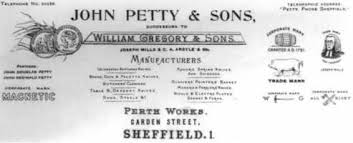
For seven generations across two centuries, John Petty & Sons crafted enduring cutlery using time-honored Sheffield methods. Their unwavering commitment to quality was proven by royal warrants of appointment and worldwide sales. Petty’s history provides a window into the golden era of Sheffield knife making before mass production took over. Their mark remains an emblem of this proud tradition.
J CLARKE & SONS.
J. Clarke & Son Cutlery: Blades of Distinction from Sheffield’s Steel City
Introduction
Sheffield, England earned global renown as a hub of cutlery manufacturing. Among the dozens of knife makers that emerged from this city, J. Clarke & Son stood out as a top producer of quality cutlery for over a century. From its 19th century origins through multiple generations, the Clarke family business crafted an array of knives, razors, and cutting tools that exemplified the pinnacle of Sheffield steel.
19th Century Foundations
The Clarke family trace their cutlery roots to craftsman John Clarke who established a knife-grinding operation in Sheffield in 1814. Clarke built the company’s foundations creating reliable small pocket and pen knives during Sheffield’s boom as England’s cutlery center.
John’s son Joseph Clarke took over in 1860, forming J. Clarke & Son. The company moved to new premises on Scotland Street to meet growing domestic and foreign demand. Under Joseph’s leadership, Clarke’s capitalized on innovations like drop forging and electric grinding to increase production scale while ensuring quality.

20th Century Expansion
Into the 1900s, J. Clarke & Son continued growing into one of Sheffield’s largest cutlery firms. The Clarke family’s management and expert craftsmen allowed the company to adapt to new technology and trends.
Clarke’s played a major role supplying combat knives and surgical tools during World Wars I and II. Postwar, they produced popular multi-blade pocket knives and stainless steel cutlery, cementing their reputation.
Decline and Legacy
By the 1960s, most Clarke family members had left the cutlery trade. The company struggled to compete against growing imports and was eventually dissolved in the early 1980s after over 160 years of Sheffield tradition.

Today, vintage J. Clarke & Son knives are coveted for collections and display. The Clarke name remains a respected emblem of Sheffield’s history of superlative knifemaking.
For six generations, J. Clarke & Son combined resourcefulness and consistency to create cutlery worn and used with pride. Their story represents the spirit of resilience and adaptation that defined Sheffield manufacturers. With quality always the bedrock, the Clarke family left their mark as producers of knives built to last.