
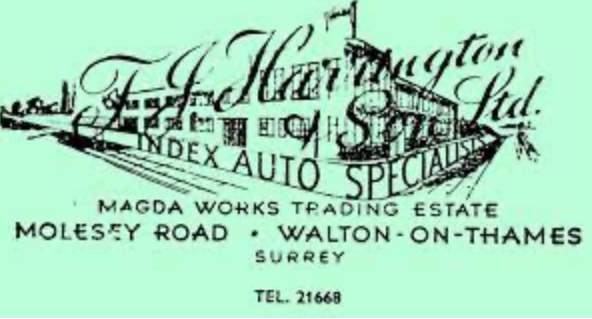
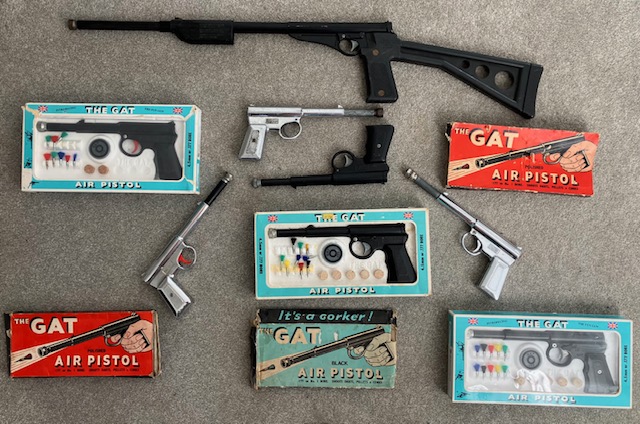
In the quaint English town of Walton-on-Thames, nestled amongst unassuming houses and shops, resided a factory with a playful purpose: T.J. Harrington & Co. From the late 1930s to the mid-1990s, this establishment wasn’t a manufacturer of war machines, but rather a creator of childhood amusement – the iconic Gat air pistol and its successor, the Gat air rifle.
The Enigmatic T.J. Harrington:
The story begins with Thomas John Harrington, the founder and driving force behind the company. Details about his life remain shrouded in some mystery, but his legacy lives on through the playful “Gat” series.

The Birth of the Gat:
The exact origin of the Gat’s design is unclear, but it emerged during a time when airguns were gaining popularity as safer alternatives to firearms for recreational use. Unlike their more powerful counterparts, airguns used compressed air to propel projectiles, making them accessible for youngsters.
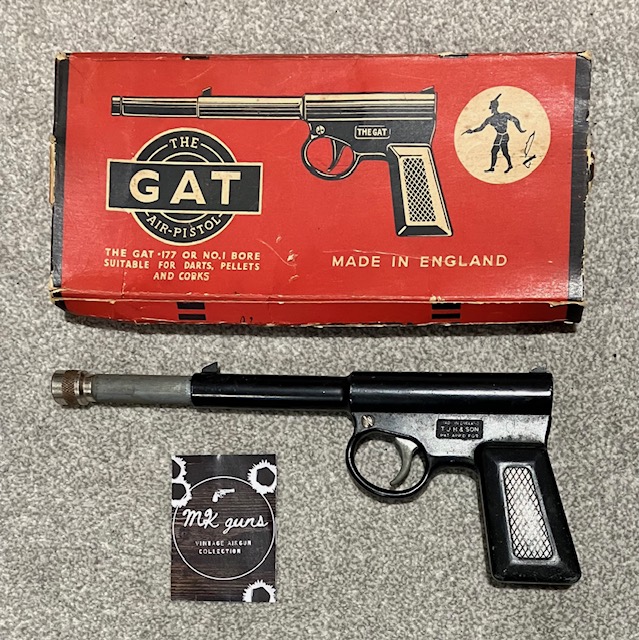
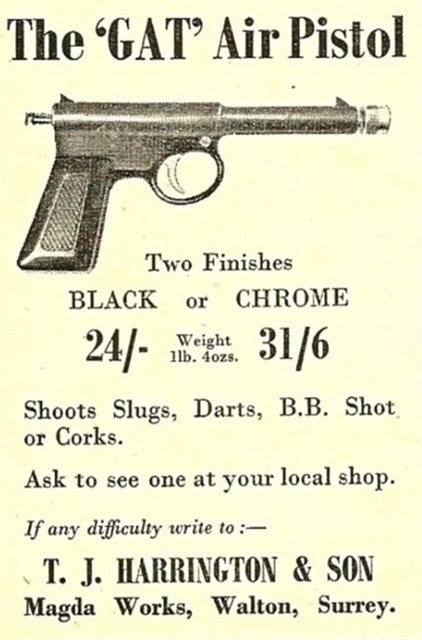
The Gat stood out for its unique design. Unlike traditional air pistols with complex mechanisms, the Gat employed a simpler, spring-powered system. By pulling down on a lever below the barrel, users compressed a spring, releasing it to fire a single pellet. This innovative design, coupled with its die-cast construction, made the Gat a durable and affordable option for children.

Beyond the Gat:
While the Gat remains the most recognizable product from T.J. Harrington, the company wasn’t a one-product wonder. They offered a range of other airguns, including the “Ding Dong” slingshot and the “Little Kraka” fishing reel, all utilizing a similar die-cast construction philosophy.
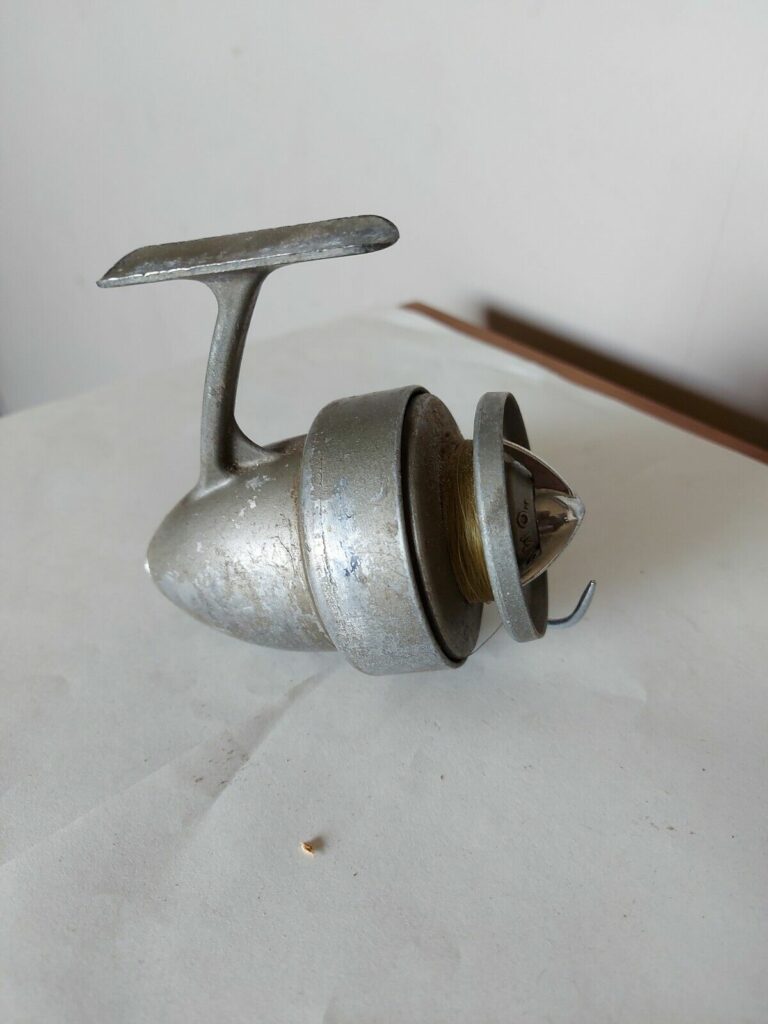
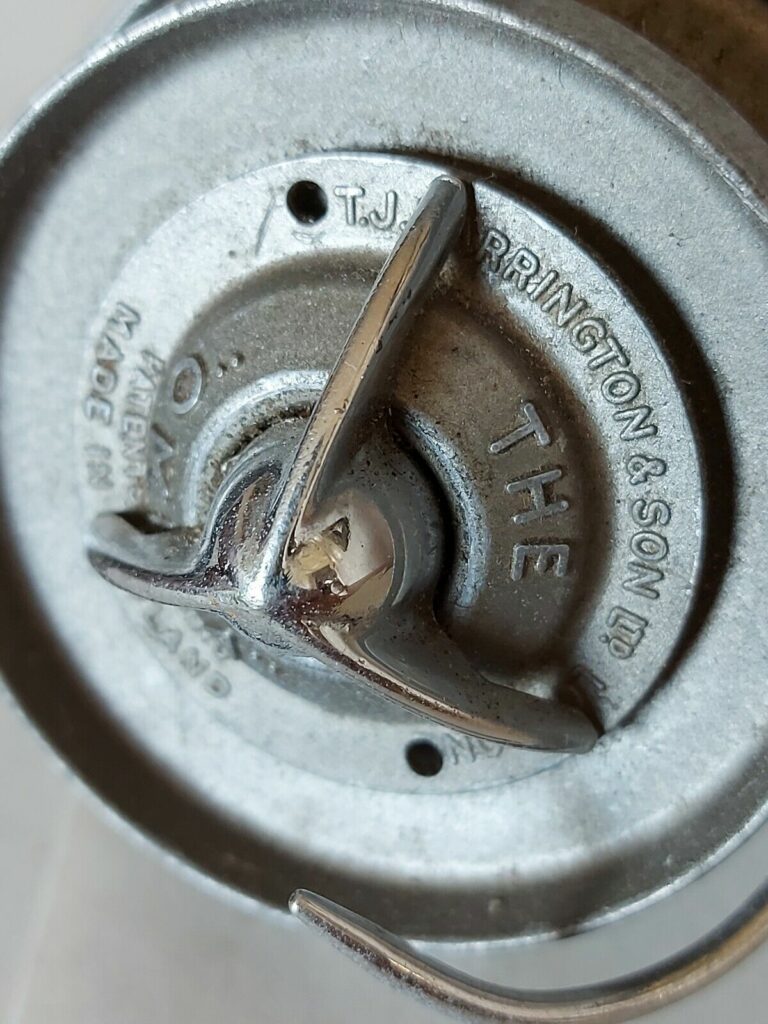
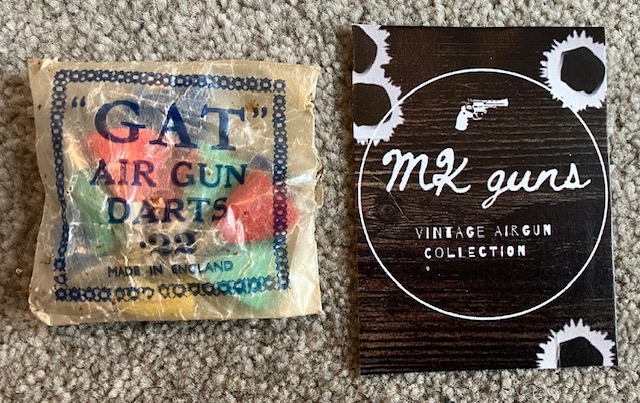
The Gat Rifle Takes Aim:
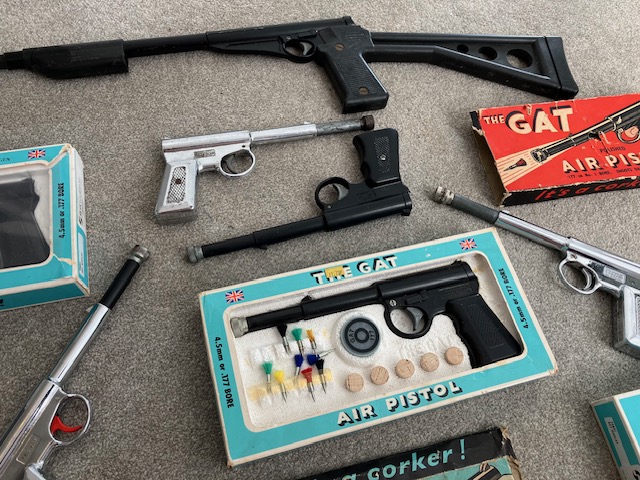
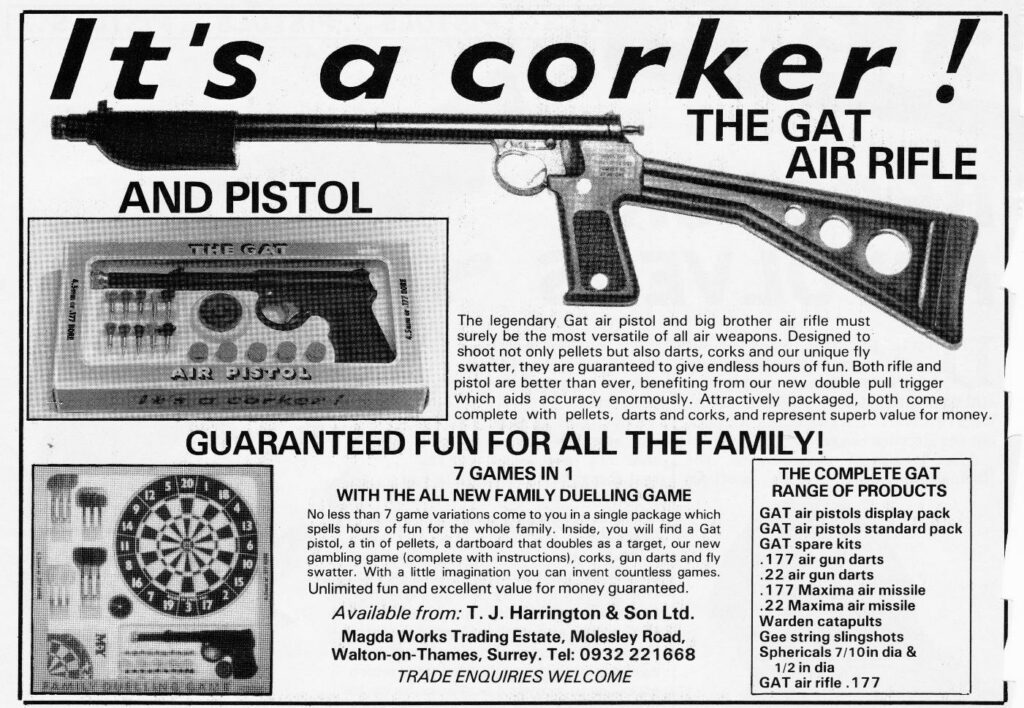
Building upon the success of the Gat pistol, T.J. Harrington & Co. ventured into the realm of air rifles in the 1960s. The aptly named “Gat Rifle” followed the same design principles as its pistol counterpart – a spring-powered mechanism housed within a die-cast body. However, the rifle boasted a longer barrel, offering increased accuracy and range compared to the pistol.
The Gat Rifle catered to a slightly older demographic, offering a more target-oriented shooting experience. It was marketed as a training tool for young marksmen, fostering an interest in responsible gun handling and marksmanship principles.
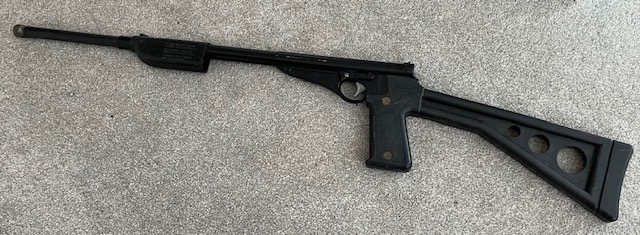
A Shared Legacy:
Despite their different target audiences, the Gat pistol and rifle shared a common thread – a commitment to providing safe and affordable recreational shooting experiences for young people. Both products were well-received, becoming staples in many British households for decades.
The Curtains Close:
The story of T.J. Harrington and the Gat series is not without its challenges. The death of T.J. Harrington in the 1990s, coupled with increasing competition from overseas manufacturers and stricter regulations on airguns, marked the end of an era. Production of both the Gat pistol and rifle ceased, leaving behind a legacy of playful ingenuity.
The Gats Today:
Today, the Gat pistol and rifle hold a special place in the hearts of collectors and enthusiasts. Their simple designs, historical significance, and nostalgic charm continue to captivate individuals who appreciate a bygone era of childhood entertainment. While no longer produced, the Gat series stands as a testament to T.J. Harrington’s legacy, reminding us that even the most humble factory can leave a lasting mark on the world, one playful invention – and later, one focused training tool – at a time.

It’s important to remember that while the Gat series offered a safe and controlled environment for youngsters to develop an interest in marksmanship, it’s crucial to emphasize the importance of responsible gun handling and safety practices at all times.
THE GAT OPERATION.
The operational mechanism of the Gat, known as the ‘push barrel,’ is characterized by its simplicity and distinctiveness, originating from a 1871 invention by Quakenbush.
A cocked Gat presents itself with a seemingly fixed circular barrel protruding from a receiver of similar circular shape. Upon firing, an inner section of the barrel, previously concealed, is propelled forward by a spring, transforming the appearance of the fired Gat into a three-section barrel. Cocking involves retracting this inner section back into the middle part. It’s worth noting that the middle ‘barrel’ serves merely as a shroud over the operating spring and was not part of Quackenbush’s original patent.
Contrary to the misconception that the Gat functions as a spring catapult rather than an air weapon, it employs a piston with a leather seal around the outer part of the inner barrel. This piston runs within a larger concentric cylinder inside the receiver, with the barrel and piston advancing forward during firing. Air enters the chamber through two small transfer ports located at the rear of the barrel, just ahead of the leather seal.
Loading is achieved through a screw breech at the rear, where a long pin on the breech pushes the pellet down the barrel, beyond the air port. The absence of the breech pin renders the pistol unloading, and attempts to replace it with an improvised plug prove ineffective, sometimes causing the pellet to discharge backward from the breech.
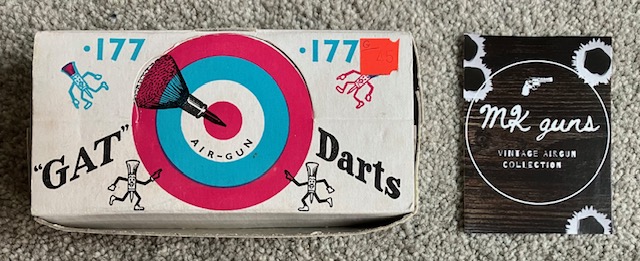
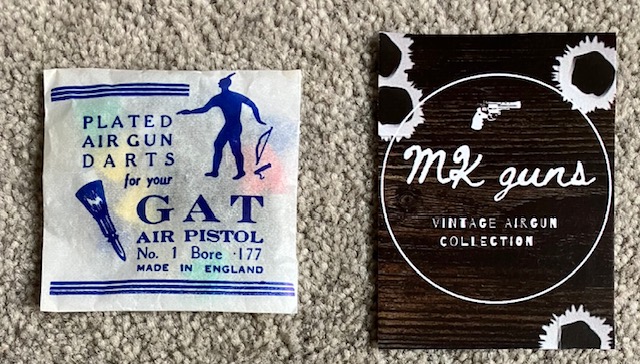
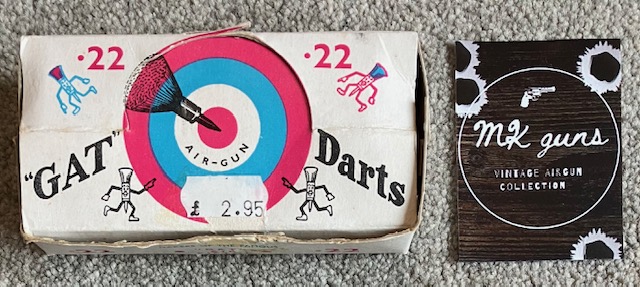
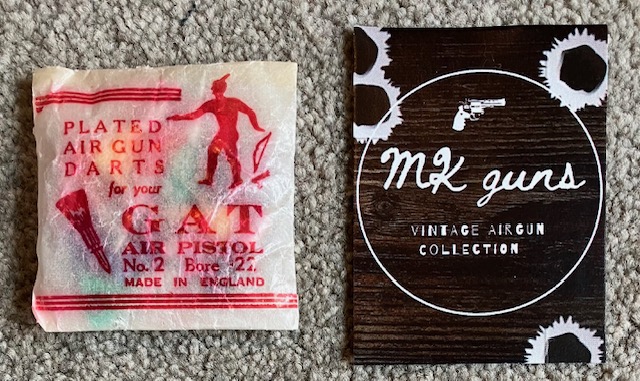
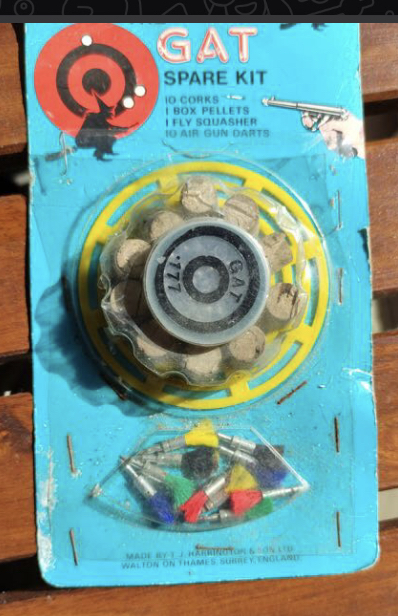
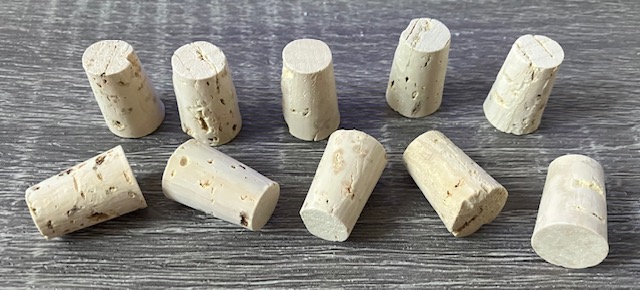
The Gat, characterized by its low power and inaccuracy, does not benefit from the moving barrel during firing in terms of accuracy improvement. It is supplied with a variety of ammunition, including darts, pellets, and corks. Its best accuracy is achieved with darts, as the pistol lacks the power to provide pellets with sufficient velocity for accuracy. This inherent inaccuracy made the cork-firing Gat a preferred choice for shooting gallery stall owners at traveling fairs.
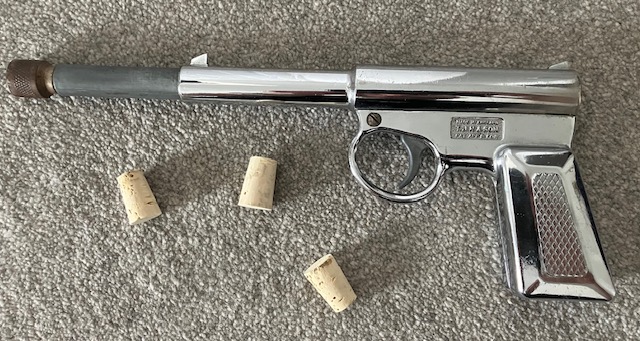
An interesting feature is a silver-colored adapter screwed into the front of the barrel, specifically designed for firing bottle corks. Later versions of the Gat even incorporated a plastic flyswatter that could be fired from the same adapter.
A comparable mechanism, albeit with better build quality and wooden grips, was employed in the German-made Hy-Score 814 pistol and the Diana Model 2.
Regarding construction, the Gat was assembled inexpensively with little emphasis on precision. Both the frame and barrel were die-cast, and in later years, plastic components were introduced, notably in the trigger guard. Due to its die-cast composition rather than steel, the pistol lacked bluing and was instead painted black. A more upscale version featured chrome plating, although these were relatively rare.
The worn wooden box creaked open, revealing a treasure from my childhood: my T.J. Harrington Gat gun. A wave of nostalgia washed over me, transporting me back to simpler times, filled with sunshine, laughter, and the satisfying thunk of the cork hitting a target.
The Gat wasn’t a fancy air rifle. It was a humble, single-shot, spring-powered pistol made of cast metal. But to my younger self, it was a portal to adventure. With a flick of the wrist, the barrel would pop out, ready to fire a barrage of pellets, darts, or even corks.
Weekends were spent in the backyard, transforming it into a shooting range. Milk cartons, carefully balanced on fences, became targets. The satisfaction of hitting the bullseye, sending the carton flying, was unmatched. Sometimes, we’d set up elaborate courses, weaving through trees and bushes, feeling like intrepid explorers on a daring mission.
The Gat wasn’t just a gun; it was a symbol of freedom and imagination. It fueled countless hours of outdoor play, fostering a sense of camaraderie with friends and siblings. We’d create elaborate stories around our “missions,” turning the backyard into a battlefield, a pirate ship, or a spaceship.
But the Gat wasn’t just about fun and games. It also taught valuable lessons. It instilled a sense of responsibility, as we learned to handle the gun with care and respect the power it held. It also taught us about sportsmanship, as we competed against each other in friendly shooting contests.
As I hold the Gat today, the worn metal and faded paint tell a story. It’s a story of scraped knees, sunny afternoons, and the boundless spirit of childhood. It’s a reminder of simpler times, when the biggest worry was hitting the target and the greatest adventure was found right in our own backyard.
The Gat may no longer be the powerful weapon it once seemed in my small hands, but it remains a cherished reminder of a time when imagination ruled and every day was an adventure. It’s a testament to the enduring power of nostalgia and the simple joys of childhood.