
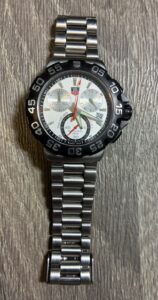
TAG Heuer CAH1111 Formula 1 Watch.
The TAG Heuer CAH1111 Formula 1 is a fantastic entry point into the world of luxury sport watches. While some purists may prefer a mechanical
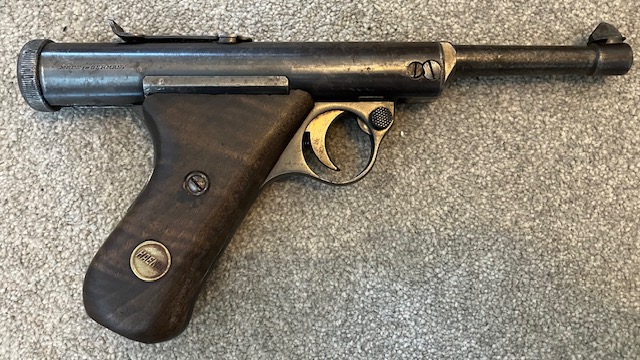
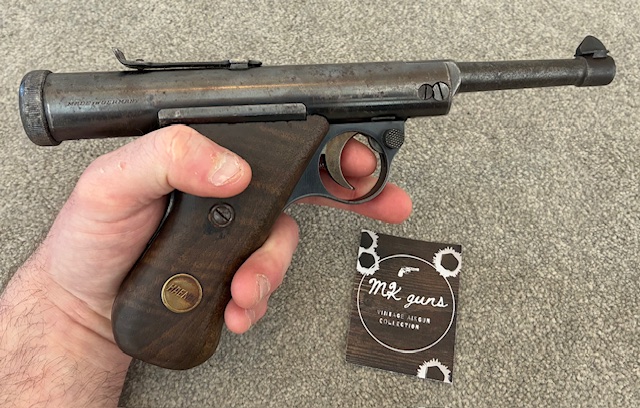
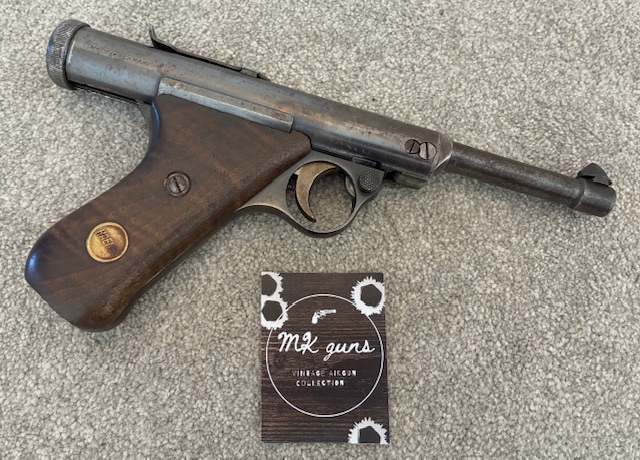
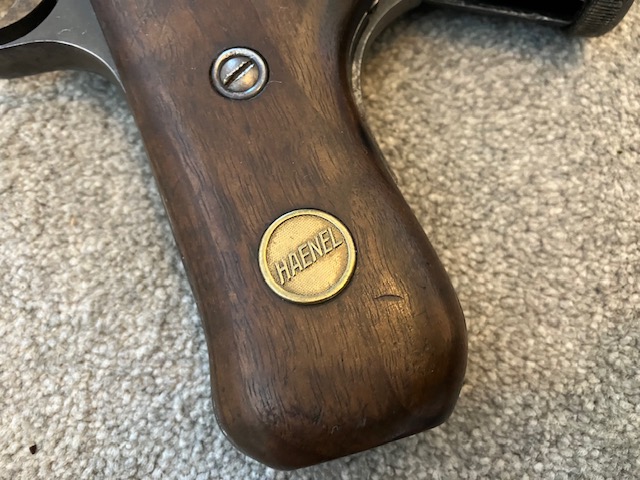
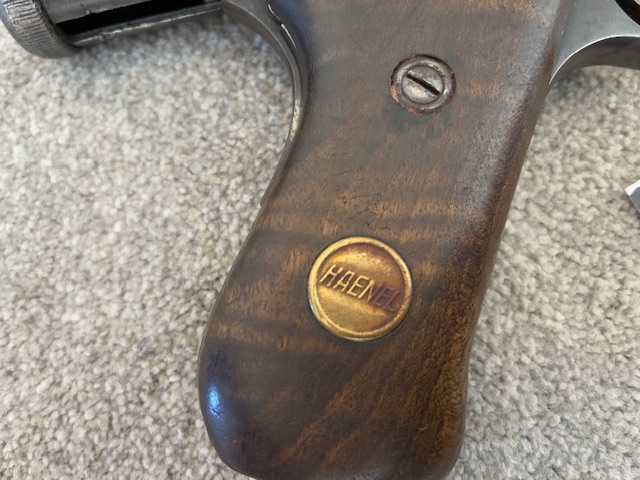
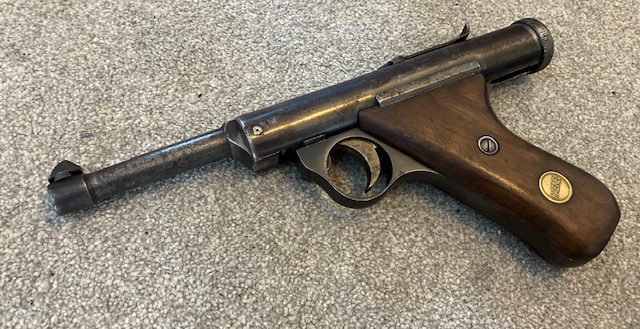
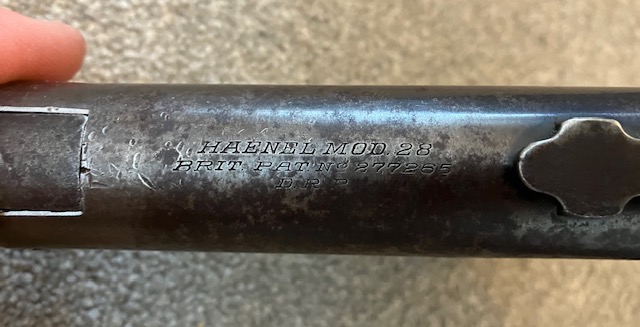
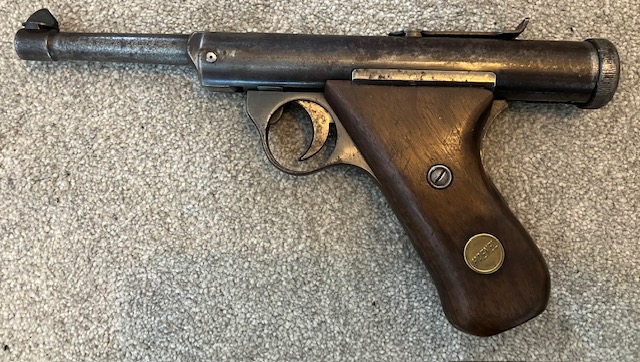
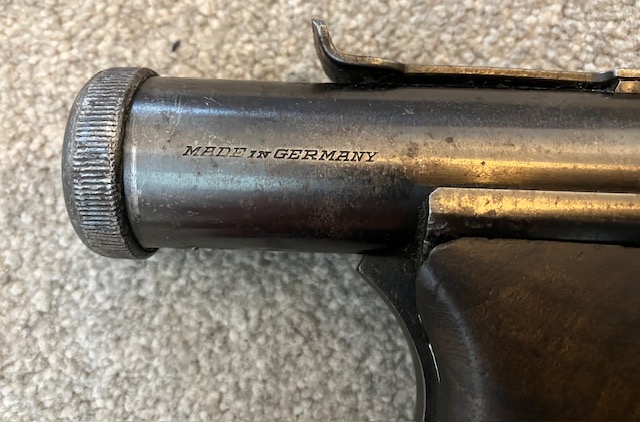
In the vast and varied landscape of airgun history, certain models stand out not just for their performance, but for their historical significance, innovative design, and sheer longevity. Among these revered classics, the Haenel Model 28 air pistol holds a special place. A product of meticulous German engineering from the pre-World War II era, this robust spring-piston pistol continues to captivate collectors and enthusiasts alike. This extensive article will explore every facet of the Haenel Model 28, from its origins and design to its shooting characteristics, collectible value, and the enduring mystique that surrounds it.
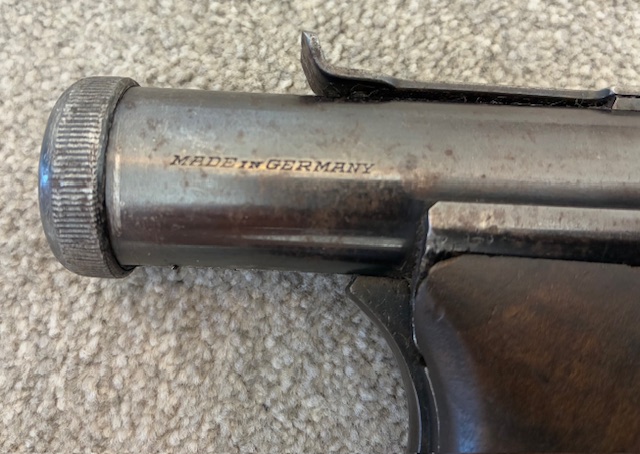
The story of the Haenel Model 28 is inextricably linked to the illustrious history of C.G. Haenel, a German firearms manufacturer based in Suhl. Established in 1840, Haenel had a long and distinguished tradition of producing quality weapons, including military firearms and sporting arms. In the interwar period, as the Treaty of Versailles imposed restrictions on conventional arms production, many German manufacturers turned their expertise to airguns. This climate fostered innovation in airgun design, and Haenel was at the forefront.
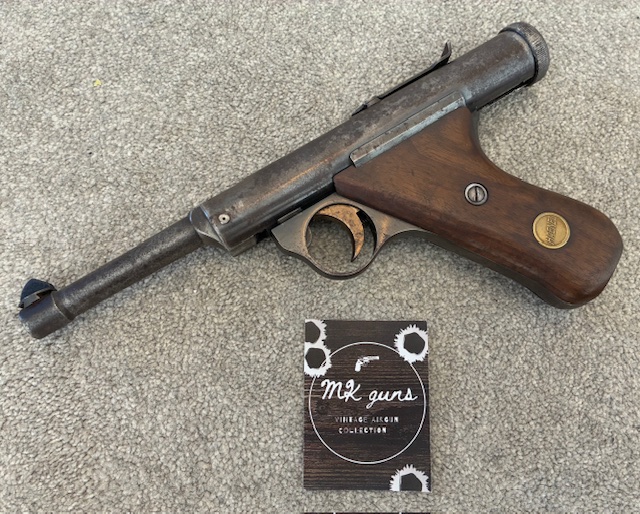
The Model 28, along with its siblings the Model 26 and Model 27, emerged from this era, with design input notably attributed to Hugo Schmeisser, a name synonymous with pioneering automatic firearm designs. Introduced sometime between the late 1920s and early 1930s, the Model 28 quickly gained recognition for its solid construction and distinctive appearance. It was built to last, a testament to the robust manufacturing standards of the time, often featuring all-steel construction with wood grips and leather seals – materials that, with proper care, could endure for decades.
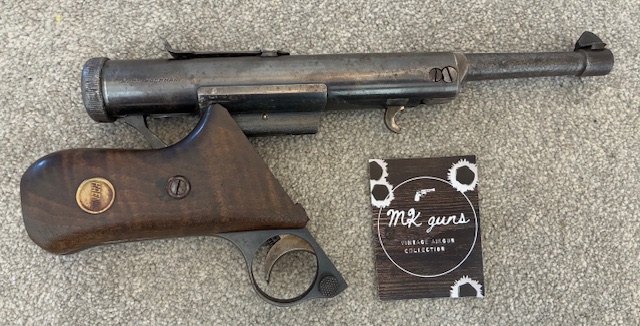
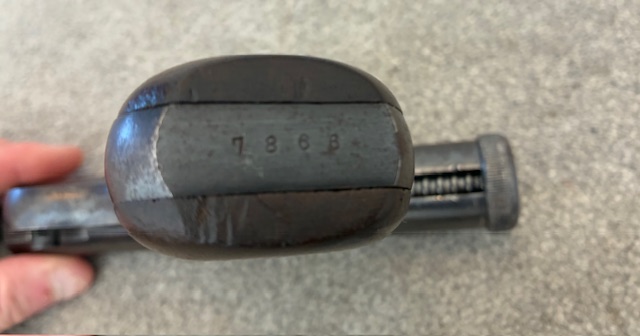
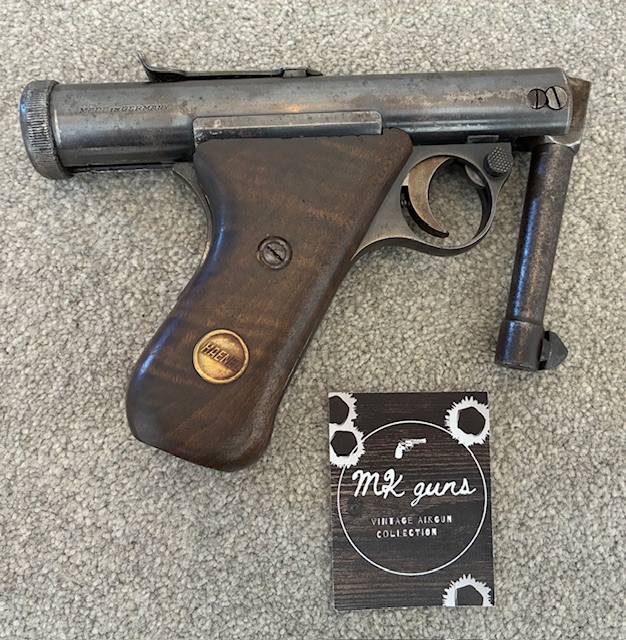
The Haenel Model 28 is a single-shot, spring-piston air pistol, predominantly found in .177 caliber (4.5mm), though rare .22 caliber (5.5mm) versions and even smoothbore examples are known to exist. Its most striking feature, and indeed a defining characteristic, is its unique cocking mechanism. Unlike typical break-barrel pistols where the barrel pivots to compress the spring, the Model 28 employs a “break-barrel” for loading only, while the pistol is cocked via a sub-frame that includes the pistol grip. This sub-frame unlatches from the upper frame and swings down and to the rear, compressing the powerful mainspring. This ingenious, albeit somewhat unconventional, method contributes to the pistol’s distinctive profile.
Key Design Elements:
The Haenel Model 28’s resemblance to the iconic P08 Luger pistol has often led to speculation about its use for military training, though concrete evidence to support this claim remains elusive. Nevertheless, its robust build and authoritative feel certainly align with such a purpose.
When evaluating the shooting performance of a vintage air pistol like the Haenel Model 28, it’s crucial to approach it with a historical perspective. This isn’t a modern, high-velocity magnum airgun. Velocities typically range from 250 to 270 feet per second (fps) with standard .177 pellets like RWS Hobbys, translating to muzzle energy of around 1.9 foot-pounds. Even pistols with stronger mainsprings or newer seals rarely exceed 300-350 fps.
Shooting Impressions:
For the modern shooter accustomed to high-powered PCP or CO2 pistols, the Haenel Model 28’s performance might seem modest. However, for those who appreciate the mechanics of vintage firearms and the satisfaction of a well-engineered spring-piston system, the shooting experience is rewarding in its own right.
The Haenel Model 28 is a highly sought-after collectible in the airgun world. Its pre-WWII origins, robust construction, and unique cocking mechanism make it a desirable item for enthusiasts and historians.
Factors Influencing Collectible Value:
Prices for Haenel Model 28 pistols can vary widely depending on these factors. A functional pistol in fair condition might fetch £80-£150, while examples in excellent, original condition, especially rare variants, can easily exceed £250, and significantly more for the rarest boxed or special configuration models. Online auction sites, specialist airgun dealers, and antique firearms markets are common places to find these pistols.
Given its age, any Haenel Model 28 will likely require some level of maintenance to remain functional or to be restored to its former glory. The robust construction means that the metal components often hold up well, but the internal “consumables” like leather piston seals and mainsprings are prone to wear and deterioration over time.
Common Maintenance Considerations:
The Haenel Model 28’s relative simplicity of design, with its readily accessible piston and seal, makes it a rewarding project for the amateur restorer. Its enduring nature means that with a little care and attention, these pistols can continue to be enjoyed for many more years.
The Haenel Model 28 air pistol is far more than just an old airgun; it’s a tangible piece of history, a testament to German engineering prowess, and a fascinating example of interwar design. Its distinctive appearance, unique cocking mechanism, and robust construction set it apart from many of its contemporaries. While it may not offer the power or precision of modern air pistols, its charm lies in its mechanical elegance and the satisfaction of owning and shooting a piece of airgun heritage.
Further Info here.
https://www.pyramydair.com/blog/2007/04/blast-from-the-past-the-haenel-model-28-pellet-pistol/
The TAG Heuer CAH1111 Formula 1 is a fantastic entry point into the world of luxury sport watches. While some purists may prefer a mechanical
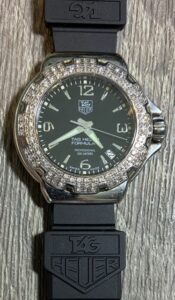
The TAG Heuer WAC1214 Formula 1 Diamond Watch strikes a perfect balance between a high-performance sports watch and a glamorous piece of jewelry. It’s a
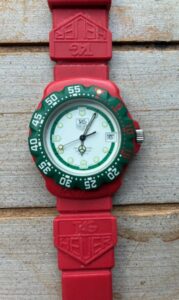
The TAG Heuer 384.513/1 is a fascinating and important watch. It’s a reminder of a pivotal time in horological history and a testament to TAG