A PCP (Pre-Charged Pneumatic) airgun is a type of air rifle or air pistol that operates using compressed air as its power source. Unlike traditional spring-piston or gas-piston airguns, PCP airguns have a built-in air reservoir that is pre-charged with compressed air. This reservoir is usually filled using a high-pressure air pump or a SCUBA tank.
The key components of a PCP airgun include the air reservoir, a pressure gauge to monitor the air level, and a regulator to control the air pressure as it is released. When the trigger is pulled, a valve opens to release a controlled amount of compressed air, propelling the pellet or bullet out of the barrel with significant force.
PCP airguns are favored by many shooters and hunters due to their consistent and high-powered performance, low recoil, and often improved accuracy compared to other types of airguns. Additionally, since they don’t require constant cocking or pumping before each shot, they offer faster follow-up shots.
It’s essential to handle PCP airguns safely and follow proper maintenance procedures, including regular checks of the air reservoir’s pressure and ensuring that the gun is not over-pressurized, as it could lead to potential safety hazards. Additionally, depending on the country or state, there might be specific regulations and requirements for owning and using PCP airguns.
PCP airguns are available in various designs, including bolt-action, side lever, and semi-automatic models. They come in different calibers, ranging from .177 to .50 caliber and sometimes even larger. The choice of caliber depends on the intended use of the airgun, such as target shooting, pest control, or hunting small to medium-sized game.
One significant advantage of PCP airguns is their ability to shoot multiple shots without the need to reload or recock the gun between each shot. Multi-shot PCP airguns have magazines or rotary clips that hold multiple pellets, allowing for quick and efficient follow-up shots.
To charge a PCP airgun, you typically need a high-pressure hand pump, a SCUBA tank, or a specialized air compressor. The airguns have a maximum pressure rating that should not be exceeded, as it could lead to dangerous consequences or damage to the gun.
While PCP airguns are generally more powerful and accurate than other types of airguns, they are also more expensive. The cost of the airgun itself, as well as the necessary charging equipment, can be higher than traditional spring-powered or CO2-powered airguns.
Overall, PCP airguns are a popular choice among serious airgun enthusiasts, competitive shooters, and hunters who seek consistent accuracy, high power, and ease of use. However, it’s essential to understand the safety considerations and follow the manufacturer’s guidelines for proper handling, maintenance, and storage of PCP airguns.
In recent years, PCP airguns have seen significant advancements in technology and design. Manufacturers have been working on improving the efficiency of air usage, resulting in better shot count per fill and increased power output. Some PCP airguns now offer adjustable regulators and power settings, allowing shooters to fine-tune their guns for different shooting scenarios.
Additionally, advancements in materials and manufacturing techniques have led to the development of lightweight and compact PCP airguns, making them more portable and user-friendly for various shooting activities.
One notable feature of PCP airguns is their relatively quiet operation compared to other firearms. This makes them popular for pest control and backyard target shooting, as they produce minimal noise and reduced recoil.
When using a PCP airgun, it is crucial to use the appropriate ammunition specified by the manufacturer. Using the wrong caliber or type of pellets can lead to accuracy issues and potential damage to the gun.
For maintenance, regular cleaning of the barrel and other critical components is essential to ensure consistent accuracy and proper functioning. Keeping the air reservoir clean and free from debris is also important to maintain the gun’s performance.
As with any shooting activity, safety is of utmost importance when using PCP airguns. Always follow basic firearm safety rules, such as keeping the gun pointed in a safe direction, treating it as if it were loaded, and only engaging the trigger when ready to shoot. Additionally, store the airgun securely and away from unauthorized users, especially children.
Before purchasing a PCP airgun, it’s essential to check local laws and regulations regarding airgun ownership and use, as they may vary from one region to another.
In conclusion, PCP airguns are powerful, accurate, and versatile tools used for various shooting applications. They continue to gain popularity among shooters and hunters worldwide due to their impressive performance and ease of use. However, responsible ownership, proper maintenance, and adherence to safety guidelines are essential for a safe and enjoyable shooting experience with PCP airguns.
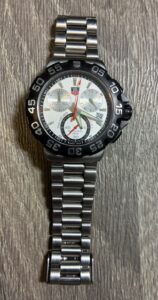
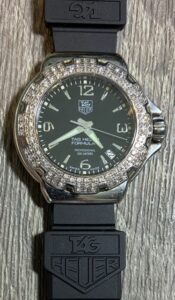
The TAG Heuer WAC1214 Formula 1 Diamond Watch strikes a perfect balance between a high-performance sports watch and a glamorous piece of jewelry. It’s a