The best airgun caliber depends on the intended use and personal preferences of the shooter. Different calibers offer various advantages and are suitable for different purposes. The three most common airgun calibers are:
.177 Caliber: Also known as 4.5mm, it is the most popular and widely used airgun caliber. It is known for its flat trajectory, high velocity, and relatively low cost for ammunition. .177 caliber airguns are commonly used for target shooting, plinking, and pest control for small pests like rodents and birds.
.22 Caliber: Also known as 5.5mm, the .22 caliber is larger and heavier than .177 caliber. It offers more stopping power and is often preferred for hunting small game and pests at close to medium ranges. The heavier pellets of this caliber may have a slightly curved trajectory compared to .177, but they deliver more energy on impact.
.25 Caliber: Also known as 6.35mm, the .25 caliber is even larger and heavier than the previous two. It provides greater stopping power and is suitable for hunting larger pests and small game at longer distances. The .25 caliber pellets retain their energy better over long ranges, making them a good choice for certain hunting scenarios.
Ultimately, the best airgun caliber depends on your specific needs and shooting preferences. If you are primarily into target shooting or want higher velocity and flatter trajectory, .177 caliber might be the best choice. If you are into hunting and require more stopping power, especially for small game, .22 or .25 caliber may be more suitable. Always check local laws and regulations regarding the use of specific calibers for hunting or shooting activities.
20 Caliber: The .20 caliber (5mm) is less common compared to the previously mentioned calibers. It falls in between the .177 and .22 calibers regarding both pellet weight and velocity. It offers a balance between the flat trajectory of .177 and the stopping power of .22, making it a good option for both target shooting and small game hunting.
.30 Caliber: The .30 caliber (7.62mm) is a larger and heavier caliber, and it is more commonly found in high-powered air rifles designed for hunting medium to large game. These rifles can produce significant energy and are capable of taking down animals like raccoons, foxes, and even some deer-sized game.
Choosing the best airgun caliber depends on various factors, including:
Intended use: Determine whether you will primarily use the airgun for target shooting, pest control, or hunting different game sizes.
Range: Consider the typical shooting distances you’ll encounter. Smaller calibers may be more suitable for shorter ranges, while larger calibers excel at longer distances.
Pellet availability: .177 and .22 calibers generally have the widest selection of pellet types available, while .25 and .30 calibers might have a more limited selection.
Local regulations: Be aware of any restrictions or requirements for specific calibers in your area, especially if you plan to use the airgun for hunting.
Ultimately, the best airgun caliber is a matter of personal preference and aligning with your shooting needs. If possible, try shooting different calibers before making a purchase to determine which one suits you best.
.357 and .45 Caliber: These larger calibers are usually found in big bore air rifles designed for hunting larger game, such as wild boars and deer. They offer significant stopping power and can deliver a hard-hitting impact at extended ranges. .357 and .45 caliber air rifles are often used by serious hunters who want to challenge themselves with air-powered firearms.
BB Caliber: BB calibers are typically 4.5mm steel or copper-coated round balls. They are commonly used in BB guns, which are distinct from traditional pellet-firing airguns. BB guns are usually less powerful and are used for recreational shooting, plinking, and target practice. They are not as accurate or suitable for hunting as pellet-firing air rifles.
When choosing the best airgun caliber, consider the following factors:
Power and Energy: Larger calibers generally offer more power and energy, which can be important for hunting larger game or for longer-range shooting.
Accuracy: Smaller calibers, like .177, tend to offer better accuracy at shorter distances, while larger calibers may be more challenging to shoot accurately.
Ammunition Cost: Smaller calibers often have cheaper ammunition, making them more cost-effective for regular shooting.
Noise and Recoil: Larger calibers can produce more noise and recoil, which may be a consideration if you want a quieter shooting experience or if you are sensitive to recoil.
Legal Considerations: Always abide by local laws and regulations regarding airgun calibers for hunting or shooting.
Ultimately, the best airgun caliber depends on your shooting preferences, intended use, and the specific capabilities you desire. If possible, test different calibers before making a final decision to determine which one suits your needs and shooting style best.
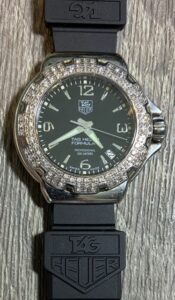
The TAG Heuer WAC1214 Formula 1 Diamond Watch strikes a perfect balance between a high-performance sports watch and a glamorous piece of jewelry. It’s a