Holding an air pistol properly is essential for accuracy, control, and safety. Here’s a step-by-step guide on how to hold an air pistol correctly:
Dominant Hand Placement:
Grip the pistol with your dominant hand (the hand you write with).
Wrap your fingers firmly around the grip. Your index finger should rest on the trigger, and your thumb should be positioned behind the grip.
Non-dominant Hand Placement:
Use your non-dominant hand to support and steady the pistol.
Place your non-dominant hand under the grip, with your fingers wrapping around the fingers of your dominant hand. Your non-dominant thumb should rest on the side of the grip.
Stance:
Stand with your feet shoulder-width apart and perpendicular to the target.
Slightly bend your knees for stability and balance.
Your body should face the target, with your dominant side slightly forward.
Grip Pressure:
Maintain a firm but not overly tight grip on the pistol.
Avoid gripping the pistol too tightly, as it can cause muscle tension and affect your aim.
Aligning the Sights:
Focus on aligning the front and rear sights of the pistol.
The front sight should be centered within the notch of the rear sight.
Ensure that the sights are level and not canted to one side.
Breath Control:
Take a deep breath and exhale partially.
While the sights are aligned and the target is in view, pause your breath and squeeze the trigger smoothly.
Trigger Control:
Use the pad of your index finger to squeeze the trigger, not the tip.
Apply smooth, steady pressure to the trigger, avoiding any jerking or slapping motion.
Follow-through:
After firing the shot, keep your sights on the target for a moment (follow-through).
This helps you analyze the shot and make any necessary adjustments.
Safety Precautions:
Always keep the pistol pointed in a safe direction, even when not shooting.
Only load the pistol when you’re ready to shoot, and always keep your finger off the trigger until you’re ready to fire.
Practice:
Regular practice is essential to improve your shooting skills.
Start with shorter distances and gradually work your way to longer ranges as your accuracy improves.
Remember, safety should always be your top priority when handling any firearm, including air pistols. Familiarize yourself with the specific safety features and operations of your particular air pistol model. If you are new to shooting, consider seeking guidance from a qualified instructor or experienced shooter to ensure you develop safe and effective shooting habits.
Eye Dominance:
Determine your dominant eye (the eye that naturally takes over when aiming).
Align your dominant eye with the sights for better accuracy.
If your dominant eye and dominant hand are different (cross-dominance), you can either adapt by using your dominant eye or switch to your dominant hand.
Consistent Grip and Stance:
Maintain a consistent grip and stance throughout your shooting sessions.
Consistency is key to improving your shooting skills and developing muscle memory.
Dry Firing Practice:
Dry firing (firing without any pellets or ammunition) can be an excellent way to practice trigger control and sight alignment.
Check that your air pistol is safe to dry fire without causing any damage.
Grip and Trigger Adjustment:
Some air pistols have adjustable grips and triggers.
Experiment with different grip sizes and trigger positions to find the most comfortable and natural configuration for you.
Safety Awareness:
Before handling an air pistol, ensure it is not loaded and the safety is engaged (if applicable).
Store your air pistol in a secure location, away from unauthorized access, when not in use.
Cleaning and Maintenance:
Regularly clean your air pistol as per the manufacturer’s instructions.
Keep the barrel free from debris and ensure all moving parts are properly lubricated.
Seek Professional Instruction:
If you’re serious about improving your shooting skills, consider taking lessons from a qualified shooting instructor.
They can provide personalized guidance and correct any improper techniques.
Practice Shooting Drills:
Engage in various shooting drills to improve different aspects of your shooting, such as speed, accuracy, and target transition.
Stay Focused and Relaxed:
Concentrate on your shooting technique, but also remember to stay relaxed.
Tension in your body can negatively impact your shooting performance.
Enjoy the Sport:
Shooting with an air pistol can be a fun and rewarding sport.
Enjoy the process of learning and improving, and embrace the challenges that come with it.
By following these tips and practicing regularly, you can enhance your shooting skills and become a more proficient air pistol shooter. Always prioritize safety and responsible firearm handling while enjoying this enjoyable and skillful sport.
Record and Analyze Your Progress:
Keep a shooting journal to record your practice sessions, including the number of shots fired, scores, and any observations or adjustments made.
Regularly review your journal to track your progress and identify areas that need improvement.
Visualization:
Mental practice can be just as important as physical practice.
Visualize yourself executing the perfect shot, from the correct grip to steady aim and follow-through.
This technique can enhance your muscle memory and boost your confidence on the range.
Shoot in Different Conditions:
Challenge yourself by shooting in various weather conditions, different light settings, and from different shooting positions.
This will help you adapt to changing circumstances and become a well-rounded shooter.
Compete and Participate:
Participate in shooting competitions or matches in your area.
Competing against others can push you to improve and learn from more experienced shooters.
Safety at the Range:
When shooting at a range, always follow the range rules and guidelines.
Be aware of other shooters around you and follow proper range etiquette.
Equipment Familiarity:
Get to know your air pistol inside out, including its specific features, weight, and balance.
The more familiar you are with your equipment, the better you can handle it during shooting.
Physical Fitness:
Shooting requires some physical stability and strength, especially for holding the pistol steady.
Engage in exercises that promote core strength and stability to enhance your shooting performance.
Stay Patient and Persistent:
Improving your shooting skills takes time and effort.
Be patient with yourself, and don’t get discouraged by occasional setbacks.
Stay persistent in your practice and learning journey.
Seek Feedback:
Ask for feedback from experienced shooters or instructors.
They can offer valuable insights and tips that can accelerate your progress.
Respect the Sport and Others:
Respect the rules and traditions of shooting sports.
Encourage and support your fellow shooters, fostering a positive and inclusive shooting community.
Remember, becoming a skilled air pistol shooter is a journey that requires dedication and practice. Always prioritize safety, respect, and responsible firearm handling. Enjoy the process of learning and mastering the art of shooting with your air pistol, and have fun on your shooting adventures!
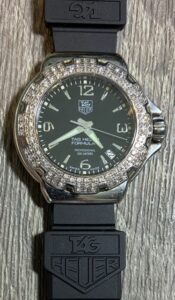
The TAG Heuer WAC1214 Formula 1 Diamond Watch strikes a perfect balance between a high-performance sports watch and a glamorous piece of jewelry. It’s a