If your airgun is producing smoke, there could be a few possible reasons for this issue:
Lubrication: Airguns require proper lubrication to ensure smooth operation. If there is too much lubrication or the wrong type of lubricant is used, it can create smoke when the gun is fired.
Dirty Barrel or Chamber: A dirty barrel or chamber can lead to the accumulation of debris, which may cause smoke when the gun is fired.
Incorrect Pellet Type: Using the wrong type of pellets or damaged pellets can lead to incomplete combustion, resulting in smoke when fired.
High Pressure: If your airgun is designed to operate at a specific pressure level, exceeding that pressure can cause smoke due to the increased friction and heat generated.
Defective or Damaged Components: A damaged or worn-out piston seal, valve, or other internal components can lead to improper air compression and release, resulting in smoke.
Incorrect Maintenance: Incorrect or inadequate maintenance of your airgun can lead to various issues, including smoke.
To troubleshoot the problem and resolve the smoking issue, consider the following steps:
Check and clean the barrel, chamber, and all internal components of the airgun.
Ensure you are using the correct type and quality of pellets recommended for your airgun.
Check the air pressure to make sure it’s within the manufacturer’s recommended range.
If you have recently lubricated the gun, ensure you used the correct type and amount of lubricant.
If you are unsure about any of the components or maintenance, consider taking your airgun to a professional airgunsmith for inspection and repair.
Remember to always follow safety guidelines and the manufacturer’s instructions when working with airguns. If you are unsure about any aspect of your airgun’s maintenance or repair, it’s best to seek professional assistance to avoid accidents or damage to the gun.
Damaged O-rings or Seals: O-rings and seals are crucial for maintaining proper air compression in the airgun. If any of these components are damaged or worn out, it can lead to air leaks, reduced power, and potentially smoke.
Overheating: Continuous firing of an airgun without allowing it to cool down can lead to overheating, which may result in smoke. If you notice smoke after extensive shooting, give your airgun some time to cool down before using it again.
Incorrect Pellet Size: Using pellets that do not fit properly in the barrel can cause gas blow-by and lead to smoke. Make sure you are using the correct caliber of pellets for your airgun.
Poor Quality or Contaminated Air Source: If you are using a pre-charged pneumatic airgun that relies on a high-pressure air source (like a scuba tank or hand pump), poor quality air or contaminated air can cause smoke when the gun is fired.
Barrel Obstruction: An obstruction in the barrel can cause an irregular air release, leading to smoke when the gun is fired. Always ensure the barrel is clear before firing.
To address the smoking issue, follow these additional steps:
Disassemble your airgun carefully, following the manufacturer’s instructions or seeking assistance from a professional.
Inspect all internal components, including O-rings, seals, and springs, for any signs of damage or wear. Replace any damaged parts with genuine manufacturer-approved replacements.
Clean the barrel and chamber thoroughly, ensuring there are no obstructions or debris that could affect the performance.
Lubricate the airgun using the appropriate lubricant as recommended by the manufacturer.
Check the airgun’s pressure levels and make sure they are within the specified range.
If you are using a pre-charged pneumatic airgun, ensure that the air source is of good quality and free from contaminants.
Use high-quality pellets that are compatible with your airgun’s caliber.
After performing these steps, reassemble the airgun carefully, following the manufacturer’s guidelines. Test-fire the gun and observe if the smoking issue has been resolved. If the problem persists, it is best to have your airgun examined by a qualified airgunsmith or contact the manufacturer’s customer support for further assistance.
Always prioritize safety when handling airguns and avoid firing the gun if you suspect any mechanical issues.
Avoid Dry Firing: Dry firing, which means firing the airgun without a pellet loaded, can damage the internals of the gun and cause smoke. Always ensure there is a pellet in the chamber before firing.
Check for Proper Pellet Seating: Improperly seated pellets can also cause smoke. Ensure that the pellets are properly seated and not too loose or too tight in the barrel.
Inspect the Barrel Crown: A damaged or misaligned barrel crown can affect the trajectory of the pellet and lead to smoke. Examine the barrel crown carefully for any signs of damage or irregularities.
Follow Maintenance Schedule: Regularly maintain your airgun as per the manufacturer’s recommendations. This includes cleaning, lubricating, and checking for any wear or damage.
Check for Gas Leaks (for CO2-powered airguns): If you have a CO2-powered airgun, ensure that there are no gas leaks from the CO2 cartridge or the gun’s gas system. Leaks can affect the gun’s performance and cause smoke.
Avoid Using Reused or Damaged Pellets: Reusing pellets that have been deformed or damaged can lead to poor performance and smoke. Always use fresh, undamaged pellets.
Monitor the Temperature: Extreme temperatures can affect the performance of your airgun. Avoid using the gun in extremely hot or cold conditions, as it can lead to smoke or other issues.
Seek Professional Assistance: If you have followed all the troubleshooting steps and the smoking issue persists, it’s best to seek help from a qualified airgunsmith or contact the manufacturer’s customer support for further guidance.
Remember that airguns are serious weapons and should be handled responsibly and safely. Always follow proper safety guidelines, such as wearing appropriate eye protection and keeping the gun pointed in a safe direction. If you are not familiar with airgun mechanics or feel unsure about any repair procedures, entrust the task to a professional to prevent accidents or further damage to the gun.
Lastly, ensure that you are using your airgun in a safe and legal manner, adhering to all local laws and regulations regarding airgun usage and ownership. Proper care and maintenance will not only address the smoking issue but also extend the life and performance of your airgun.
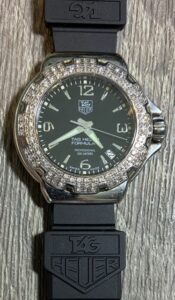
The TAG Heuer WAC1214 Formula 1 Diamond Watch strikes a perfect balance between a high-performance sports watch and a glamorous piece of jewelry. It’s a