If you are facing accuracy issues with your air rifle, several factors could be contributing to the problem. Here are some common reasons and potential solutions:
Pellet Quality: Low-quality or damaged pellets can significantly impact accuracy. Ensure you are using high-quality pellets appropriate for your air rifle’s caliber.
Barrel Cleaning: A dirty barrel can affect accuracy. Regularly clean the barrel using a cleaning rod and appropriate cleaning patches or brushes.
Scope Mounting: If you have an air rifle scope, improper mounting can lead to accuracy problems. Double-check that the scope is securely mounted and properly aligned.
Scope Zeroing: Your scope might need zeroing (adjusting the reticle to match the point of impact). Follow the manufacturer’s instructions to zero your scope correctly.
Shooting Technique: Inconsistent shooting technique can impact accuracy. Practice proper breathing, grip, and trigger control for more consistent shots.
Inconsistent Velocity: Ensure that your air rifle is operating at a consistent velocity. Fluctuations in velocity can lead to variations in point of impact.
Weather Conditions: Wind and other weather conditions can influence shot accuracy. Be aware of environmental factors and adjust your shooting accordingly.
Distance: Remember that air rifles have a limited effective range. Shooting beyond that range may result in decreased accuracy.
Scope Quality: If you have a scope, using a cheap or low-quality scope can affect accuracy. Invest in a reliable and appropriate air rifle scope.
Mechanical Issues: Inspect your air rifle for any mechanical problems, such as loose screws or damaged components. Address these issues promptly.
If you have tried these solutions and still experience accuracy problems, it might be beneficial to consult with an experienced airgun enthusiast or a professional gunsmith. They can provide personalized guidance and address any specific issues with your air rifle.
Remember always to prioritize safety and follow local laws and regulations when using any firearm, including air rifles.
Consistent Shooting Position: Maintain a consistent shooting position and posture for each shot. Use a stable rest or shooting bag to support the air rifle if needed.
Check Scope Parallax: Some scopes have adjustable parallax settings. Ensure your scope’s parallax is adjusted correctly for the distance you are shooting.
Pellet Seating: Experiment with the depth of pellet seating in the barrel. Some air rifles may perform better with slightly different pellet seating depths.
Check Scope Mounts and Rings: Ensure that your scope mounts and rings are of high quality and securely fastened to prevent movement during shooting.
Maintain a Stable Rest: When shooting from a rest or bipod, make sure it provides a stable and consistent support for the air rifle.
Inspect the Crown: The crown of the barrel (the last part of the barrel the pellet touches) is crucial for accuracy. Make sure it is clean and free from any damage.
Use a Shooting Chronograph: A chronograph can help you measure the consistency of your air rifle’s velocity and identify any fluctuations.
Experiment with Different Pellets: Not all air rifles perform the same with every type of pellet. Try different brands and weights to find the one that works best for your rifle.
Check and Adjust Trigger: If possible, check the trigger pull weight and adjust it to a level that suits your shooting style.
Practice Regularly: Like any skill, shooting accuracy improves with practice. Regularly practice shooting at different distances and in various conditions to become familiar with your air rifle’s performance.
Remember, improving accuracy often involves a process of trial and error. Make one adjustment at a time and test its effect on your shooting before making another change. Keep a shooting log to track your adjustments and results to help identify what works best for your air rifle.
Additionally, seeking advice from fellow airgun enthusiasts or participating in shooting forums can provide valuable insights and tips to enhance your shooting skills.
Always prioritize safety and be responsible when using air rifles or any firearms. Follow safety guidelines and respect the laws and regulations in your area. Happy shooting!
Check Stock Fit: The fit of the stock to your body can impact accuracy. Ensure the stock length and comb height are appropriate for your shooting style.
Consistent Ammunition: Use the same type and batch of pellets for accuracy testing. Different batches of pellets may have slight variations in performance.
Dry Fire Practice: Practicing dry fire (without pellets) can help improve your shooting technique and trigger control without the recoil of an actual shot.
Use a Shooting Rest: When zeroing your scope or testing accuracy, use a shooting rest to eliminate human error and focus solely on the rifle’s performance.
Mind Your Breathing: Develop a breathing rhythm and try to take shots during the natural pause between breaths to minimize movement.
Stability During Shooting: Make sure to have a stable shooting position with minimal movement during the shot cycle.
Shoot from a Bag or Sand Sock: When shooting from a prone or supported position, use a bag or sand sock under the stock to stabilize the rifle.
Adjust the Power Level: If your air rifle has adjustable power settings, experiment with different power levels to find the one that provides the best accuracy.
Check for Loose Parts: Regularly inspect your air rifle for loose screws or components, including the scope, stock, and action.
Keep Optics Clean: Ensure your scope lenses and any other optics are clean and free from debris or fingerprints that can affect visibility.
Shoot from a Bench: When testing accuracy or zeroing your scope, shoot from a stable shooting bench to reduce movement and focus on the rifle’s performance.
Experiment with Shooting Aids: Consider using shooting aids like shooting gloves, shooting jackets, or bipods to enhance stability and consistency.
Seek Professional Assistance: If you have exhausted all efforts and still experience accuracy issues, consider seeking help from a shooting instructor or coach who can offer personalized guidance.
Remember that achieving consistent accuracy with an air rifle requires patience, practice, and attention to detail. Keep a record of your shooting sessions and analyze the results to identify patterns or improvements over time.
Finally, enjoy the process of improving your shooting skills and appreciate the experience of using an air rifle for recreational shooting or target practice.
As always, prioritize safety and adhere to all applicable laws and regulations when handling firearms, including air rifles. Happy shooting!
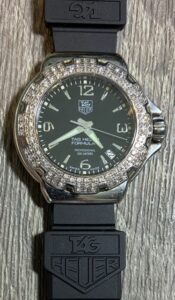
The TAG Heuer WAC1214 Formula 1 Diamond Watch strikes a perfect balance between a high-performance sports watch and a glamorous piece of jewelry. It’s a