Yes, airguns do have some recoil, but it is generally much less than that of firearms that use gunpowder-based ammunition. The recoil in airguns is caused by the forward momentum of the projectile (e.g., a pellet or BB) being expelled from the barrel in one direction, while an equal and opposite force is applied to the gun in the opposite direction.
The recoil in airguns is typically described as a “forward recoil,” where the gun moves slightly backward after firing. This is due to the conservation of momentum, as the gun and the projectile have equal but opposite momentum.
The level of recoil in airguns varies depending on the type of airgun, the power source (spring, gas, or compressed air), the caliber, and the muzzle velocity of the projectile. Generally, air rifles that have higher power and velocity will produce more noticeable recoil compared to lower-powered airguns.
That being said, the recoil of most airguns is still significantly less than that of traditional firearms, making airguns popular choices for target shooting, pest control, and recreational shooting, especially for those who may be sensitive to stronger recoil.
As mentioned earlier, the reduced recoil of airguns compared to firearms is advantageous for several reasons. First and foremost, it makes shooting an airgun more comfortable and enjoyable for shooters of all ages and experience levels. This is particularly beneficial for beginners who may be intimidated by the kick of firearms.
Additionally, the reduced recoil allows for improved accuracy and precision in shooting. With less muzzle rise and movement, shooters can maintain better control over their aim, leading to tighter shot groups and better performance on the shooting range or during hunting activities.
The low recoil also means that airguns can be used for indoor shooting in designated ranges, where the use of firearms may not be allowed due to noise and safety concerns.
It is essential to note that while airguns do have recoil, the sensation is significantly milder compared to firearms. The term “recoilless” is occasionally used to describe certain types of airguns, like many precharged pneumatic (PCP) air rifles, where the recoil is almost negligible due to the way they operate. However, even in recoilless airguns, there will still be some degree of recoil, albeit very minimal.
Overall, the manageable recoil, lower noise levels, and generally safer operation make airguns a popular choice for various shooting applications, including target shooting, pest control, small game hunting, and recreational shooting. Always follow proper safety guidelines and handle any type of gun responsibly to ensure a safe and enjoyable shooting experience.
In recent years, airguns have gained popularity not only for recreational shooting and hunting but also for competitive shooting sports. Many airgun shooters participate in disciplines such as field target shooting, silhouette shooting, and Olympic-style 10-meter air rifle and air pistol events. The reduced recoil of airguns plays a significant role in maintaining consistent shot placement and maximizing accuracy, making them well-suited for precision shooting competitions.
Advancements in airgun technology have also contributed to the reduction of recoil and overall shooting experience. Manufacturers continue to improve the design and engineering of air rifles and air pistols, resulting in smoother shooting actions and enhanced recoil dampening systems. These innovations help ensure that airgun enthusiasts can enjoy shooting without the discomfort associated with heavy recoil.
It’s important to note that while airguns have less recoil, they are still powerful tools that can cause harm if not handled responsibly. Just like with firearms, proper safety measures should always be followed when using airguns. Always treat an airgun as if it were a firearm, and never point it at anything you do not intend to shoot.
Furthermore, laws and regulations regarding airguns may vary depending on your location, so it’s essential to familiarize yourself with the local laws and guidelines before using an airgun.
In conclusion, airguns do have recoil, but it is much less pronounced than that of firearms. This reduced recoil makes airguns suitable for a wide range of shooting activities and ensures a more enjoyable and comfortable shooting experience for enthusiasts of all ages and skill levels. As the technology continues to evolve, airguns are likely to become even more popular and versatile in the world of shooting sports and outdoor activities.
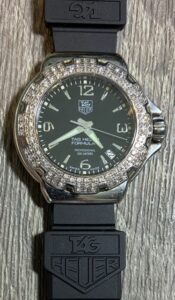
The TAG Heuer WAC1214 Formula 1 Diamond Watch strikes a perfect balance between a high-performance sports watch and a glamorous piece of jewelry. It’s a