A Comprehensive Guide to Air Rifles: Choosing the Right One for You
The world of air rifles offers a diverse range of options, each with its own unique characteristics and benefits. This guide will delve into the four primary types available in the UK: Spring Powered, PCP, Gas Ram, and CO2. By understanding the pros and cons of each, you can make an informed decision about which air rifle best suits your needs and preferences.
Airgun Types and Technology
PCP (Pre-Charged Pneumatic): High-powered, efficient, and versatile airguns.
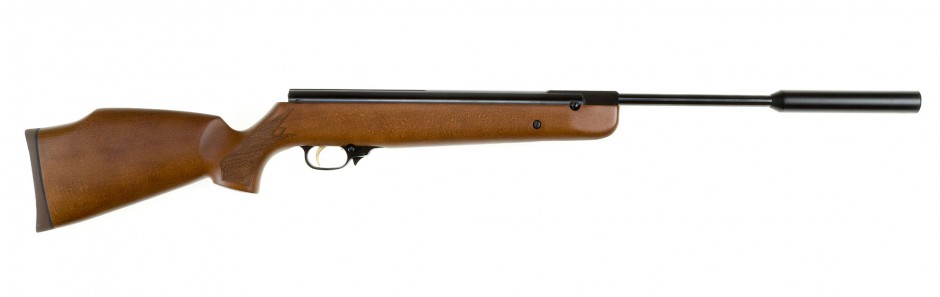
Spring Piston: Classic design, often powerful, but with recoil.
Break Barrel: Similar to spring piston but with a breaking barrel for cocking.
CO2: Convenient, but often lower powered compared to PCP and spring piston.
Electric: Battery-powered, quiet, and consistent.
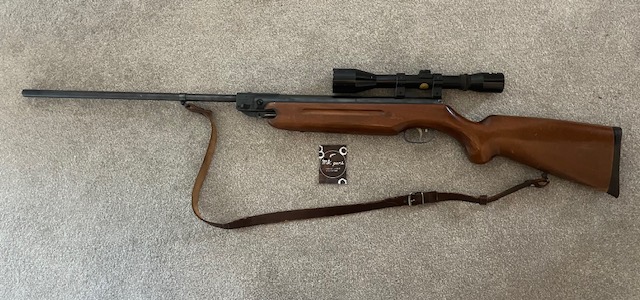
Spring Powered Air Rifles.
Spring powered air rifles are the classic choice for many airgun enthusiasts. They operate through a simple yet effective mechanism: a compressed coil spring propels the piston forward, which in turn compresses air and launches the pellet. This design makes them generally affordable and easy to maintain.
Pros:
Cost-effective: Often the most budget-friendly option.
Self-contained: No need for additional equipment like pumps or gas canisters.
Suitable for beginners and experienced shooters alike.
Cons:
Recoil: Can be noticeable, especially for new users.
Cocking effort: Requires physical exertion.
Potential for power reduction over time due to spring fatigue.
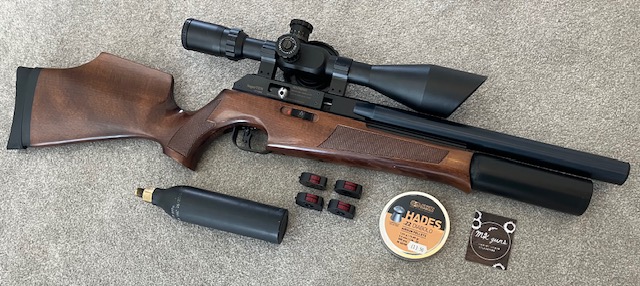
PCP Air Rifles.
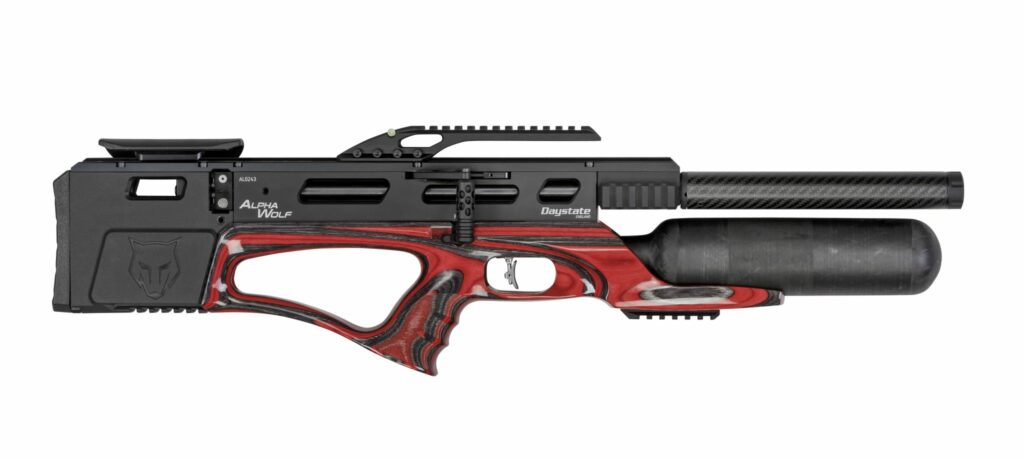
PCP (Pre-Charged Pneumatic) air rifles have gained popularity due to their consistent power and accuracy. They feature a high-pressure air tank that stores compressed air, delivering a smooth and powerful shot.
Pros:
Consistent power and accuracy: Delivers consistent shot-to-shot performance.
Reduced recoil: Significantly less recoil compared to springers.
High shot count: Can fire multiple shots without recocking.
Cons:
Higher initial cost: Generally more expensive than spring or gas ram rifles.
Requires additional equipment: Hand pump or air tank is necessary for filling.
Potential for air leaks: Requires regular maintenance to prevent air loss.
Gas Ram Air Rifles.
Gas ram air rifles offer a middle ground between spring and PCP models. They utilize a gas-filled cylinder to power the piston, providing a smoother cocking experience than springers while maintaining a relatively simple design.
Pros:
Smoother cocking: Easier to cock compared to spring powered rifles.
Lower recoil: Less recoil than spring powered rifles.
Cons:
Higher initial cost: Typically more expensive than spring powered rifles.
Potential for gas cylinder issues: Less common than spring issues but can occur.
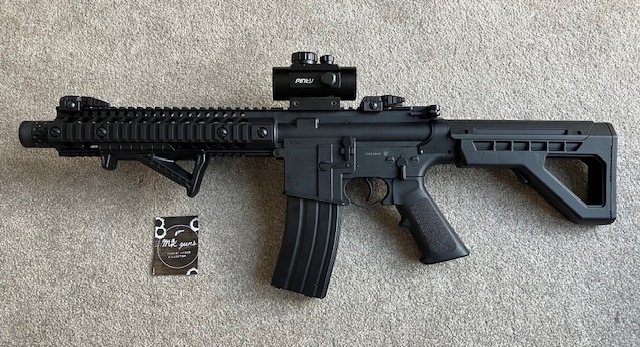
CO2 Air Rifles.
CO2 air rifles use carbon dioxide cartridges as their power source. They are popular for their ease of use and relatively high power output.
Pros:
Easy to use: Simple to load and fire.
Good power: Offers decent power for target shooting and pest control.
Compact and lightweight: Often smaller and lighter than other types.
Cons:
Power reduction: Power decreases as the CO2 cartridge empties.
Limited shot count: Fewer shots per cartridge compared to PCP.
Environmental impact: CO2 cartridges are not reusable and create waste.
Electric Air Rifles: A New Frontier.
While the term “electric air rifle” might seem contradictory, it’s a growing segment of the airgun market. These rifles are powered by electric motors rather than traditional spring, gas, or compressed air systems.
How Do They Work?
An electric air rifle typically consists of:
Battery: Provides the power source.
Electric motor: Converts electrical energy into mechanical energy.
Compression chamber: Compresses air to propel the pellet.
Trigger mechanism: Controls the firing process.
When the trigger is pulled, the electric motor activates, compressing air into the chamber. Once sufficient pressure is built up, the air is released, propelling the pellet down the barrel.
Advantages of Electric Air Rifles
Consistent power: Electric air rifles deliver consistent muzzle velocity, shot after shot.
Reduced recoil: The absence of traditional recoil mechanisms makes shooting more comfortable.
Quiet operation: Many electric air rifles are designed for quiet shooting.
Faster reload times: No manual cocking or pumping is required.
Eco-friendly: No need for gas or compressed air fills.
Disadvantages
Battery life: Depending on usage, batteries may need frequent recharging.
Weight: Electric air rifles can be heavier due to the inclusion of batteries and motors.
Cost: Generally, electric air rifles tend to be more expensive than traditional spring or gas-powered models.
Current Market and Future Outlook
Currently, the market for electric air rifles is still relatively small, but it’s showing signs of growth. Several manufacturers are experimenting with this technology, and as battery technology improves, we can expect to see more advanced and affordable models.
While electric air rifles might not be suitable for everyone, they offer a unique shooting experience and could appeal to a wide range of shooters, from target practice enthusiasts to those seeking a quieter hunting option.
Choosing the Right Air Rifle.
The best air rifle for you depends on your budget, shooting style, and personal preferences. Consider the following factors when making your decision:
Budget: Determine how much you are willing to spend on an air rifle and any additional equipment.
Shooting style: Consider whether you prefer hunting, target shooting, or plinking.
Experience level: Your skill level will influence the type of air rifle that best suits your needs.
Maintenance: Factor in the time and effort required for maintenance.
By carefully evaluating these factors, you can select the perfect air rifle to enjoy your shooting hobby to the fullest.