Choosing the Perfect Pellet: A Comprehensive Guide
The selection of the right pellet for your airgun is a crucial factor in achieving accuracy, power, and optimal performance. With a vast array of sizes, weights, and materials available, understanding the nuances of pellet calibers, construction, and trajectory is essential for both novice and experienced airgun enthusiasts.
Understanding Pellet Calibers
The caliber of a pellet, measured in millimeters, determines its diameter. While a multitude of calibers exist, the most common for airguns are:
.177 caliber (4.5mm): Renowned for its high velocity and precision, the .177 caliber is a popular choice for target shooting and small game hunting. Its lighter weight pellets can be more susceptible to wind drift, but they excel in penetration.
.22 caliber (5.5mm): Offering greater energy and reduced wind deflection, the .22 caliber is suitable for hunting larger game. However, it generally sacrifices some accuracy at longer ranges compared to its smaller counterpart.
.25 caliber (6.35mm): Delivers substantial power and is effective for hunting medium-siz
ed game. It’s a balance between accuracy and energy.
.30 caliber (7.62mm): The largest commonly available caliber for airguns, the .30 caliber is designed for big game hunting and offers maximum stopping power
The Impact of Pellet Weight
Pellet weight is measured in grains and significantly influences factors like energy, trajectory, and recoil.
Heavier pellets: Carry more energy, resulting in a flatter trajectory and reduced wind drift. However, they require more powerful airguns to achieve optimal performance.
Lighter pellets: Offer higher velocities but are more susceptible to wind and have a steeper trajectory.
Pellet Construction: Beyond Lead
Traditionally, airgun pellets were made of lead. However, due to environmental concerns and regulations, many manufacturers have shifted to lead-free alternatives.
Lead: Offers superior density and weight, contributing to better accuracy and penetration.
Zinc and copper alloys: Commonly used in lead-free pellets, these materials provide comparable performance but may be slightly lighter.
Other materials: Some manufacturers experiment with exotic materials like bismuth and tin for specific applications.
Pellet Shape and Its Influence on Trajectory
The shape of a pellet plays a vital role in its ballistic performance.
Domed pellets: Featuring a rounded head, domed pellets offer a good balance of accuracy and penetration. They are versatile and suitable for various shooting disciplines.
Pointed pellets: Designed for hunting, pointed pellets have a sharp tip for enhanced penetration. However, they may be more prone to wind deflection.
Wadcutters: Flat-headed pellets primarily used for target shooting, wadcutters create clean holes in paper targets.
Hollow point pellets: These pellets expand upon impact, increasing stopping power for hunting applications.
Trajectory: The Path of the Pellet
The trajectory of a pellet, or its flight path, is influenced by several factors:
Muzzle velocity: Higher velocity results in a flatter trajectory.
Pellet weight: Heavier pellets have a flatter trajectory compared to lighter ones.
Air resistance: The shape of the pellet and its interaction with air affect its trajectory.
Gravity: Naturally pulls the pellet downwards.
Wind: Can significantly impact the pellet’s path, especially at longer ranges.
Popular Pellet Brands
Numerous manufacturers produce high-quality airgun pellets. Some of the most recognized brands include:
RWS: Known for precision, consistency, and a wide range of options.
H&N: Offers a diverse selection of pellets catering to various needs.
JSB Exact: Renowned for accuracy and heavy-weight pellets.
Crosman Premier: Provides reliable and affordable pellets for both beginners and experienced shooters.
Finding the Perfect Match
Selecting the ideal pellet involves experimentation and considering factors like your airgun’s power, intended use, and personal preferences. By understanding the intricacies of pellet calibers, weights, shapes, and trajectories, you can optimize your shooting performance and achieve your desired results.
Remember, safety is paramount. Always adhere to proper handling procedures and local regulations when using airguns.
Delving Deeper: Airgun Pellet Chronographing
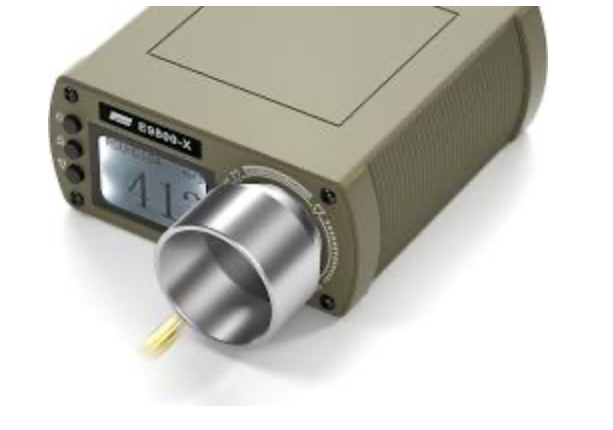
Understanding the precise velocity of an airgun pellet is crucial for accurate shot placement, particularly at longer ranges. This is where chronographing comes into play. A chronograph is a device that measures the speed of a projectile.
The Importance of Chronographing
Accuracy: Knowing the exact velocity of a pellet allows for precise adjustments to scope or iron sights.
Energy calculation: By knowing the pellet’s weight and velocity, you can calculate its kinetic energy, essential for hunting and pest control.
Pellet performance evaluation: Comparing velocities of different pellets can help determine the best choice for your airgun.
Ballistic coefficient determination: While complex, chronographing data can contribute to calculating a pellet’s ballistic coefficient, which affects trajectory.
How a Chronograph Works
A chronograph typically consists of two light gates placed a specific distance apart. As a pellet passes through each gate, it interrupts a light beam, triggering a timer. The chronograph calculates the time taken for the pellet to travel between the gates and, knowing the distance, determines the velocity.
Factors Affecting Pellet Velocity
Several factors influence pellet velocity:
Airgun power: Higher power levels generally result in higher velocities.
Pellet weight: Heavier pellets typically have lower velocities compared to lighter ones.
Barrel length: Longer barrels can impart more energy to the pellet, increasing velocity.
Air pressure (for PCP airguns):: Higher air pressure can result in higher velocities.
Barrel temperature: Warmer barrels can slightly increase velocity.
Pellet fit: A tight pellet-to-barrel fit can improve accuracy but may slightly reduce velocity.
Choosing a Chronograph
Chronographs vary in price, accuracy, and features. Key factors to consider include:
Accuracy: Ensure the chronograph is precise for reliable velocity measurements.
Speed range: Select a chronograph that can measure the expected velocity range of your airgun.
Durability: Consider a rugged chronograph if you plan to use it outdoors.
Features: Some chronographs offer additional features like data logging or Bluetooth connectivity.
Conducting Chronograph Tests
To obtain accurate velocity readings, follow these steps:
Set up the chronograph: Place the chronograph at a safe distance from the muzzle, ensuring the pellet path is clear.
Prepare your airgun: Ensure it is properly zeroed and in good working condition.
Consistent shooting: Maintain a consistent shooting technique to minimize velocity variations.
Environmental factors: Consider temperature, humidity, and wind conditions, as they can affect pellet velocity.
Data analysis: Record and analyze velocity data to identify trends and patterns.
By understanding the principles of chronographing and carefully conducting tests, you can gain valuable insights into your airgun’s performance and make informed decisions about pellet selection and tuning.
Delving Deeper: Pellet Care
Proper care of your airgun pellets is often overlooked but can significantly impact their performance and longevity.
The Importance of Pellet Storage
Protection from contaminants: Pellets can be susceptible to dust, dirt, and moisture, which can affect their accuracy and lead to barrel fouling.
Preservation of shape: Proper storage helps maintain the pellet’s original shape, ensuring optimal flight characteristics.
Preventing oxidation: Lead pellets, in particular, can oxidize over time, affecting their weight and balance.
Storage Tips
Dry environment: Store pellets in a cool, dry place away from direct sunlight.
Airtight containers: Use airtight containers to prevent moisture and contaminants from entering.
Separate calibers: Avoid storing different caliber pellets together to prevent cross-contamination.
Avoid handling excessively: Excessive handling can leave fingerprints and oils on pellets, affecting accuracy.
Pellet Cleaning
While not always necessary, cleaning pellets can be beneficial, especially if they have been exposed to contaminants.
Use a soft cloth: Gently wipe each pellet with a soft, lint-free cloth to remove dirt or fingerprints.
Avoid harsh chemicals: Chemicals can damage the pellet’s surface and affect its performance.
Dry thoroughly: Ensure pellets are completely dry before use.
Pellet Handling
Avoid dropping: Dropping pellets can damage their shape and affect accuracy.
Wear gloves: For those with sensitive skin, wearing gloves when handling pellets can prevent contamination.
By following these simple guidelines, you can ensure that your airgun pellets are in optimal condition, leading to improved accuracy and performance.
Delving Deeper: Advanced Ballistics
Understanding the complex factors that influence a pellet’s flight path is essential for long-range accuracy and consistent performance.
Ballistic Coefficient
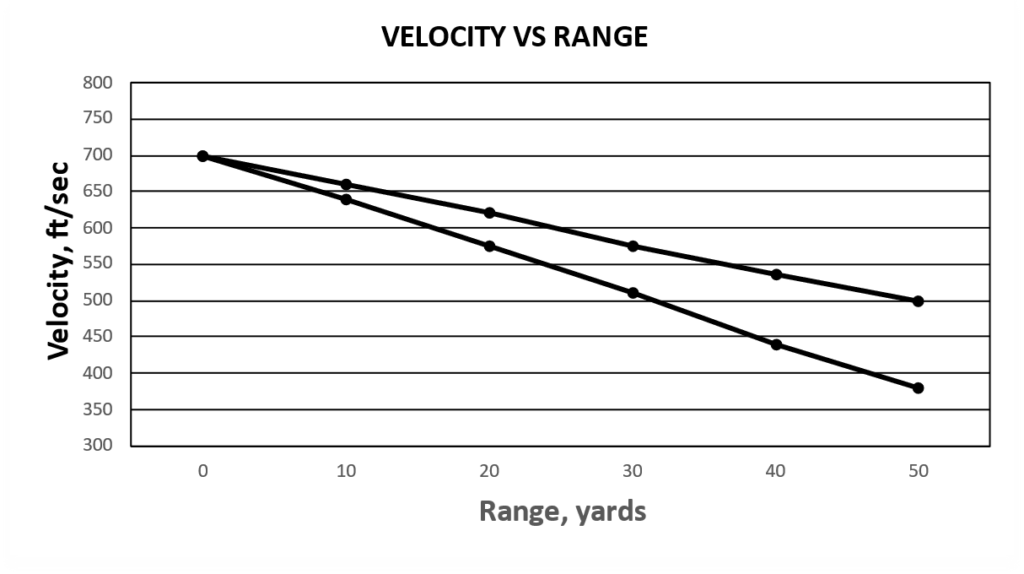
The ballistic coefficient (BC) is a measure of a projectile’s ability to overcome air resistance. A higher BC means the pellet will retain more velocity over distance. Factors affecting BC include:
Pellet shape: Pointed pellets generally have higher BCs than domed pellets.
Pellet weight: Heavier pellets tend to have higher BCs.
Pellet diameter: Larger diameter pellets generally have higher BCs.
Factors Affecting Trajectory
Beyond the basics of gravity and air resistance, several other factors influence a pellet’s trajectory:
Spin: The spin imparted on the pellet by the rifling stabilizes the flight path and reduces wobble.
Temperature: Air temperature affects air density, which influences drag on the pellet.
Humidity: Increased humidity can affect air density, impacting pellet trajectory.
Altitude: Air density decreases with altitude, affecting pellet trajectory.
Coriolis effect: While minimal at typical airgun ranges, the Earth’s rotation can influence the pellet’s path over long distances.
Ballistic Calculators and Software
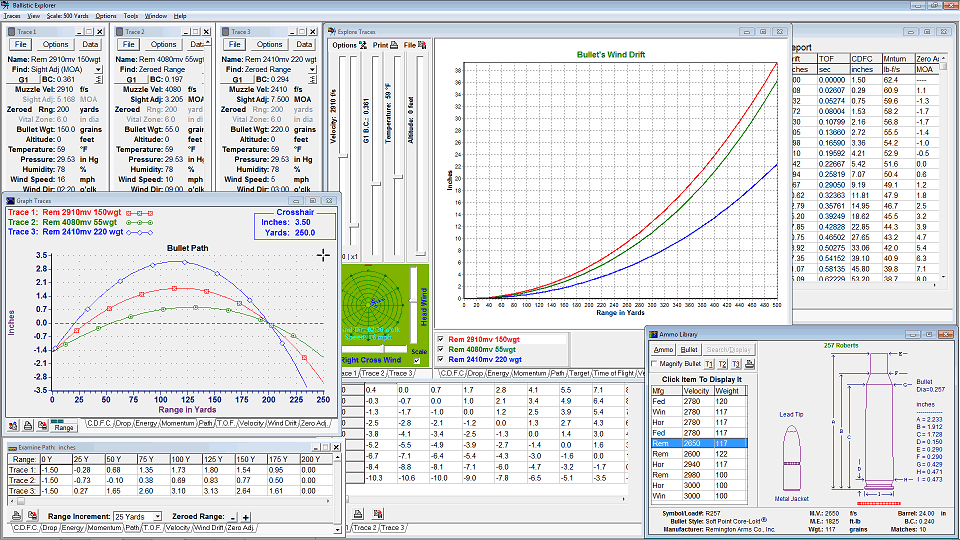
To accurately predict pellet trajectories, many shooters rely on ballistic calculators and software. These tools consider various factors to generate detailed data on bullet drop, windage, and other ballistic parameters.
Popular software: Strelok, Applied Ballistics, JBM Ballistics
Outputs: Trajectory data, drop charts, windage corrections, and more.
Advanced Techniques
For those seeking the ultimate in accuracy, advanced techniques can be employed:
Lapua Doppler radar: Precisely measures pellet velocity for accurate ballistic calculations.
Pellet testing: Conducting extensive tests to determine optimal pellet performance under various conditions.
Scope adjustments: Fine-tuning scope adjustments for different ranges and conditions.
By understanding these advanced concepts and utilizing available tools, airgun shooters can significantly improve their accuracy and consistency at longer ranges.
Airgun Pellet Weight Chart with Brand Examples
Here’s a comprehensive airgun pellet weight chart featuring popular brands, pellet types, weight ranges, and their typical uses. Remember, pellet performance can vary based on airgun model, power, and environmental factors. This chart provides general guidelines.
Brand
Model
Caliber
Weight (grains)
Pellet Type
Best Use
JSB
Exact King
.177, .22, .25
7.3 – 10.6
Domed
Target Shooting, Hunting
H&N
FTT, Barracuda, Field Target Trophy
.177, .22, .25
4.5 – 10.3
Domed, Pointed
Target Shooting, Hunting
Crosman
Premier, Wadcutter
.177, .22
7.5 – 14.3
Wadcutter, Domed
Target Shooting, Plinking
Gamo
Pro Magnum, Hunter
.177, .22
10.5 – 15.4
Domed, Hollow Point
Hunting, Pest Control
Weihrauch
Talon Match
.177, .22
7.5 – 10.5
Domed
Target Shooting
RWS
Super Dome, Hobby
.177, .22, .25
7.0 – 9.5
Domed, Wadcutter
Target Shooting, Hunting
Air Arms
Diabolo Field Target
.177, .22
8.4 – 10.3
Domed
Target Shooting
Benjamin
Crome Pells, Silver
.177, .22
7.9 – 15.0
Domed, Pointed
Hunting, Pest Control
Beeman
Kodiak, Crow Magnum
.177, .22
10.5 – 21.1
Domed, Hollow Point
Hunting, Pest Control
Stoeger
X
.177, .22
7.5 – 14.5
Domed, Hollow Point
Hunting, Pest Control
My Notes
Pellet Types:
Domed: Versatile, good for accuracy and penetration.
Hollow Point: Increased expansion on impact, good for small game.
Wadcutter: Flat front, clean holes in paper targets.
Pointed: Deep penetration, good for hunting.
Caliber: The most common calibers for airguns are .177, .22, and .25.
Pellet Weight: Heavier pellets generally have more energy and penetration, but may not be as accurate in all airguns.
Legal Regulations: Always check local laws and regulations regarding airgun use and pellet types.
Important Considerations:
Pellet Consistency: Even within the same brand and model, pellet weight can vary slightly.
Airgun Compatibility: Different airguns may prefer different pellet types and weights. Experimentation is key to finding the optimal choice for your specific setup.
Hunting Regulations: Some hunting regulations specify limitations on pellet weight for small game hunting.
Beyond This Chart:
This chart provides a starting point for exploring airgun pellets. With so many brands and models available, there’s a vast selection to choose from. Here are some additional tips for finding the perfect pellet for your airgun:
Consult airgun experts: Local airgun retailers or online forums can offer valuable insights and recommendations.
Read airgun reviews: Reviews often mention pellet performance and compatibility with specific airgun models.
Experiment with different pellets: Trying a variety of pellet weights and types is the best way to discover which ones perform best in your airgun