
TAG Heuer CAH1111 Formula 1 Watch.
The TAG Heuer CAH1111 Formula 1 is a fantastic entry point into the world of luxury sport watches. While some purists may prefer a mechanical

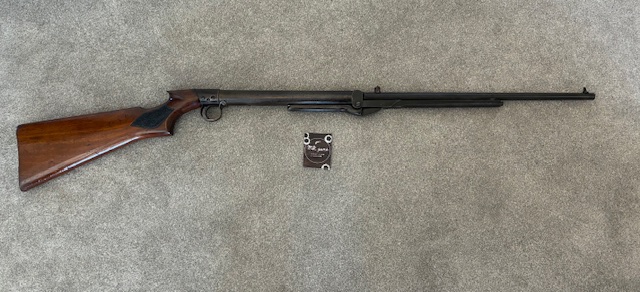
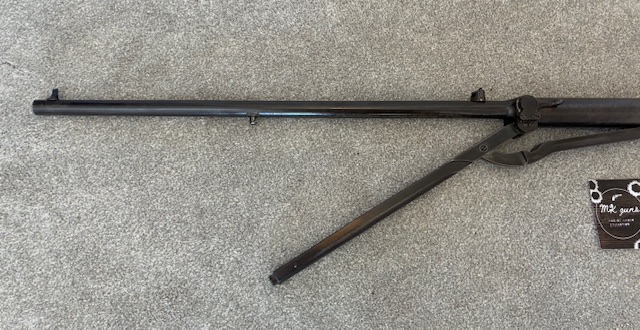
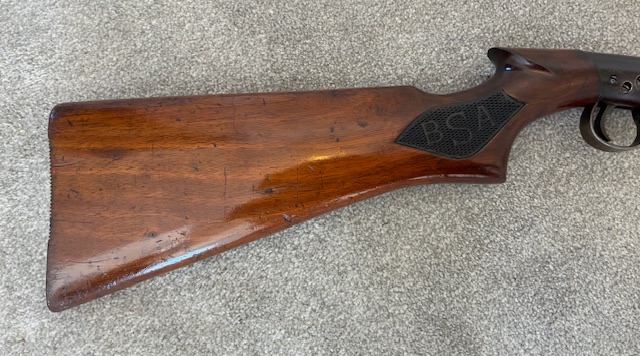
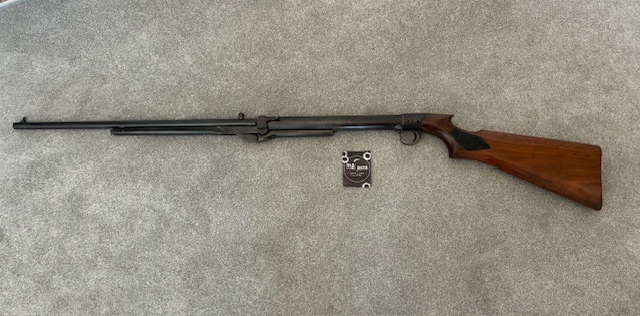
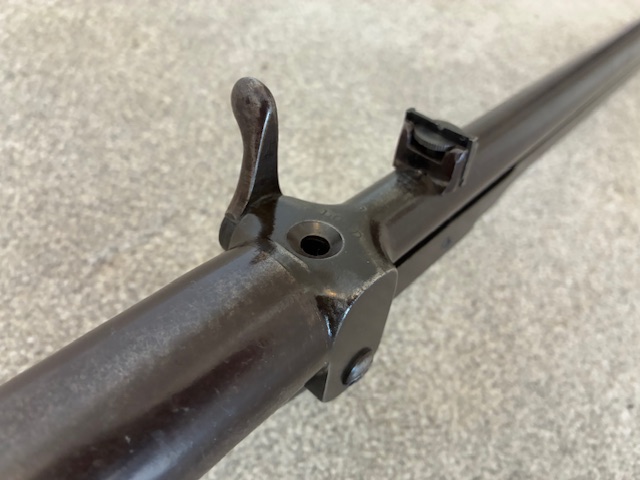
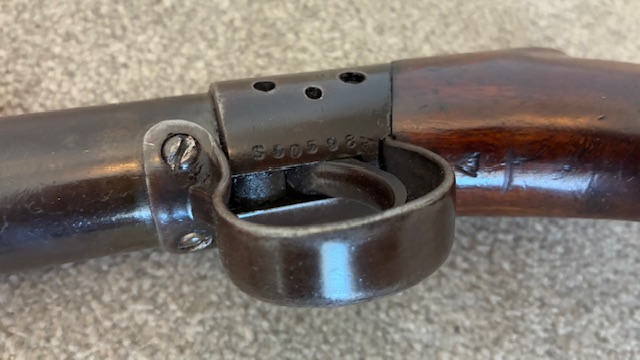
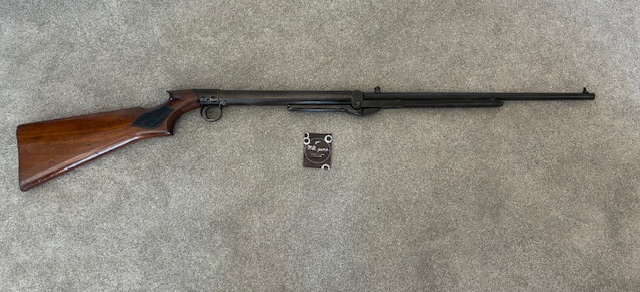
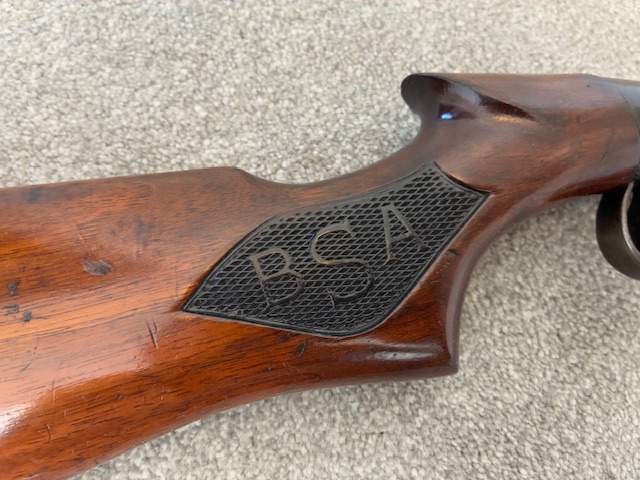
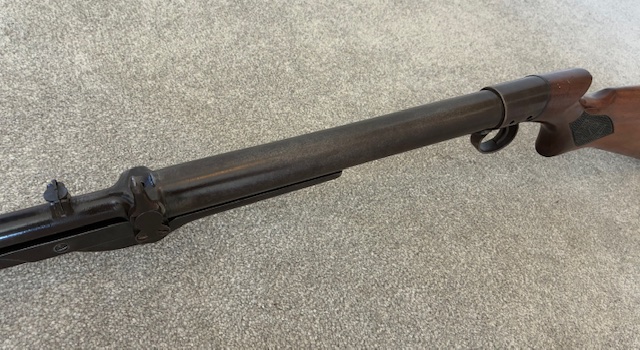
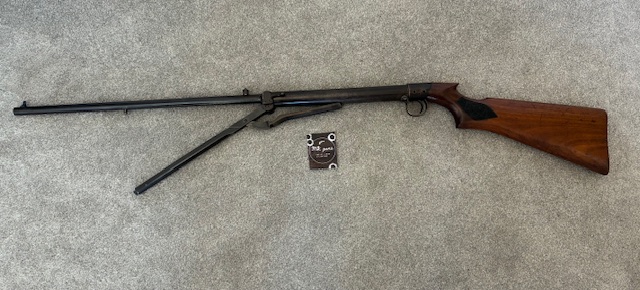
In the annals of airgun history, few names resonate with the same reverence and recognition as BSA. And among their illustrious early offerings, the “Standard Pattern” air rifle stands as a testament to British engineering prowess, a classic that has captivated shooters and collectors for over a century. More than just a firearm, the BSA Standard Pattern represents a pivotal moment in airgun development, shaping the design of countless spring-powered rifles that followed.
The story of the BSA Standard Pattern is inextricably linked with George Lincoln Jeffries, a Birmingham gunsmith whose innovative fixed-barrel, underlever, and tap-loading design laid the groundwork in the early 1900s. Recognising the potential of his concept but lacking the manufacturing capacity, Jeffries partnered with the Birmingham Small Arms Company (BSA) around 1905. This collaboration proved immensely successful, with BSA’s industrial might transforming Jeffries’ brilliant design into a mass-produced reality.
While Jeffries initially marketed his “H. The Lincoln Air Rifle” (and a shorter “L” or “Ladies” model), BSA quickly adopted the design for their own brand, initially stamping cylinders with “BSA Air Rifle (Lincoln Jeffries Patent)”. Over the years, improvements led to designations like the “Improved BSA Air Rifle” and later the “Improved Model D.” The “Standard Pattern” as we typically know it emerged around 1913-1914, serving as the direct replacement for the Improved Model D and solidifying the design’s enduring name.
The Standard Pattern was available in both .177 (No. 1 Bore) and .22 (No. 2 Bore) calibres, with a short-lived .25 (No. 3 Bore) also offered. Its production continued through various iterations, surviving both World Wars and influencing later BSA icons like the legendary Airsporter. This longevity is a testament to its fundamental soundness and the quality of its construction.
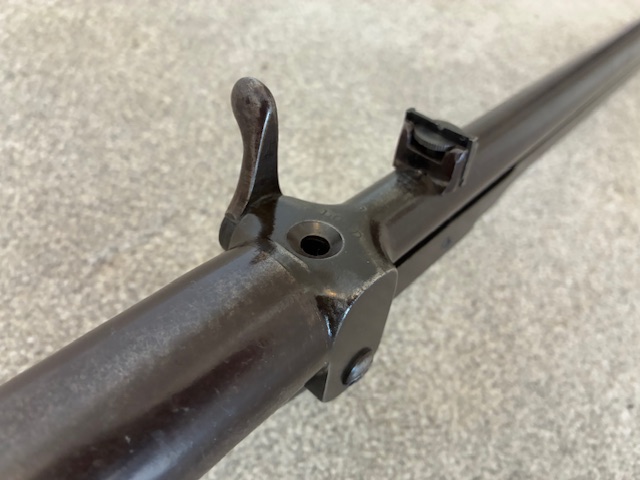
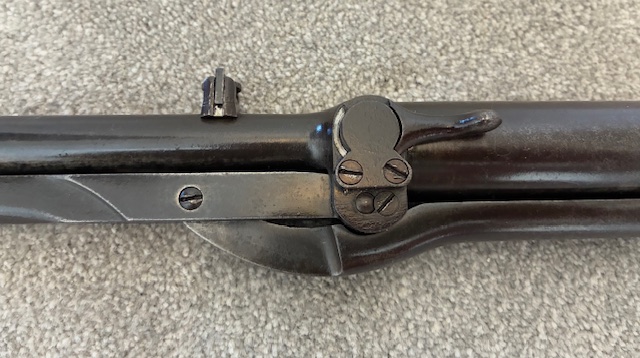
The core design of the BSA Standard Pattern is its fixed barrel and underlever cocking mechanism. This system offers several advantages:
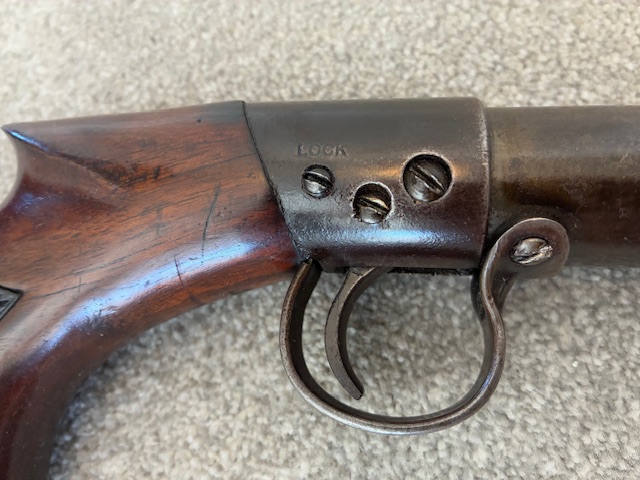
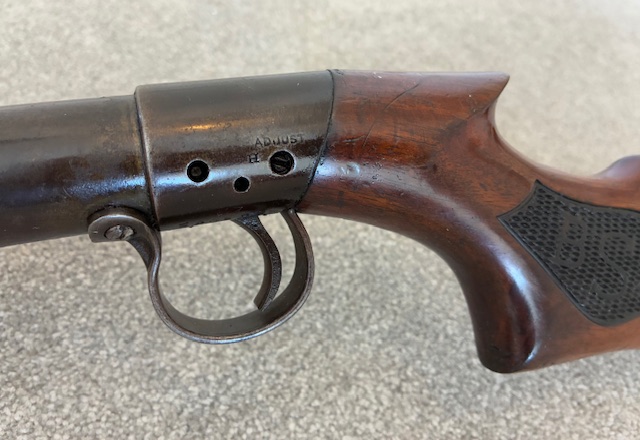
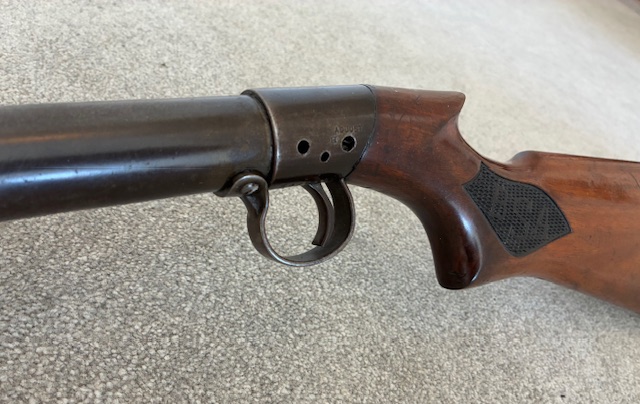
Early models featured a single-screw trigger block, later evolving to a two-screw version (post-WWI, around 1919-1923) and eventually a three-screw adjustable trigger block. While not a “hair trigger” by modern standards, the adjustability was a welcome improvement. The robust trigger mechanism, though often with a firm pull, was designed for durability and consistency.
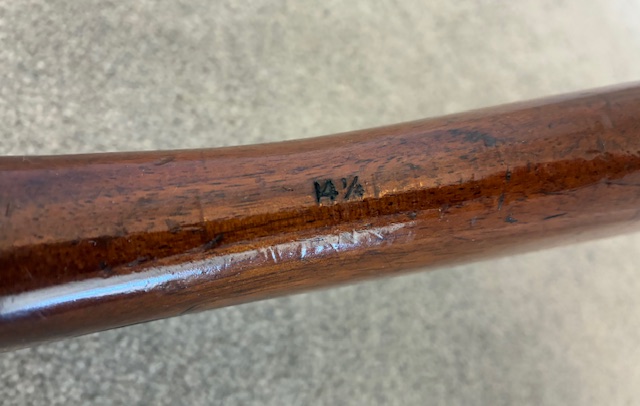
The rifle’s construction primarily relied on high-quality blued steel and walnut stocks. The attention to detail, even in mass production, was remarkable. Barrels were often forged and meticulously crowned, contributing significantly to their inherent accuracy. Stock designs evolved subtly, from hand-cut checkering in earlier models to heat-impressed patterns on later Standards, but always offering a comfortable and ergonomic hold. The sheer solidity of these rifles is evident in their weight and the reassuring “thunk” of their action.
For an air rifle designed over a century ago, the BSA Standard Pattern delivers surprising accuracy, especially when considering the limitations of early pellet designs and the absence of optical sights for most of its operational life. Contemporary accounts and modern testing often highlight its ability to achieve tight groups at distances up to 40-50 yards, a feat that would rival many mid-range springers today.
This accuracy can be attributed to:
While velocity figures for these vintage rifles may not match modern 12 ft-lb (FPE) airguns, their efficiency and shot-to-shot consistency were impressive for their era. Many original Standard Patterns, even after decades of use, can still achieve velocities in the 500-600 FPS range with appropriate pellets, delivering sufficient energy for pest control and target shooting at practical airgun ranges.
However, it’s worth noting that like all spring-powered air rifles, the Standard Pattern can be hold-sensitive. Shooters of the era often employed a loose “artillery hold” to allow the rifle to recoil freely, a technique that remains effective for optimal accuracy with these springers.
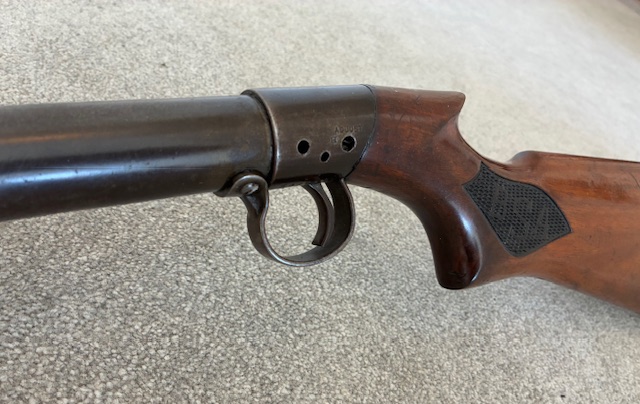
The BSA Standard Pattern is a highly sought-after collectible, appealing to enthusiasts of vintage airguns and those with an appreciation for historical engineering. Their value is influenced by several factors:
Prices can range from under £200 for well-used but functional examples to £500+ for excellent, original specimens, with rare variants fetching even higher figures at auction. They represent a solid investment for collectors, as their historical significance and dwindling numbers ensure continued demand.
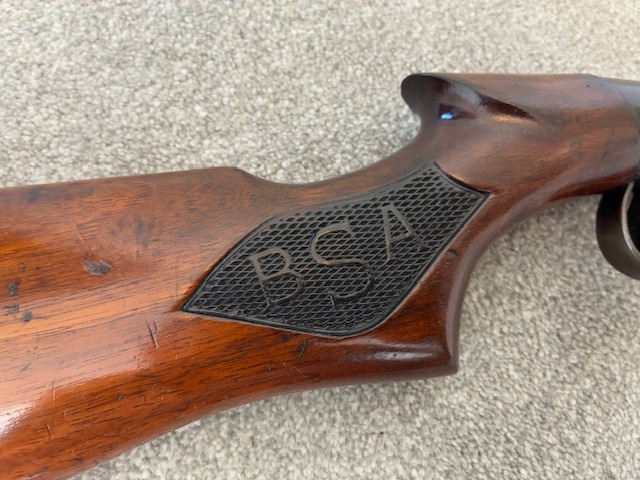
Given their age, BSA Standard Patterns often require some attention to remain in optimal shooting condition. Common issues include:
Maintaining a Standard Pattern involves regular cleaning, appropriate lubrication (sparingly, especially around seals), and careful handling. Disassembly should ideally be undertaken by someone familiar with vintage airguns or after consulting detailed guides, as some components require specific tools or techniques to avoid damage. The use of parallel-bladed screwdrivers is highly recommended to prevent damaging the unique screw heads.
Comparing the BSA Standard Pattern to modern air rifles is akin to comparing a vintage sports car to a contemporary one. Both have their merits, but they excel in different areas.
Where the Standard Pattern Shines:
Where Modern Air Rifles Excel:
Ultimately, the BSA Standard Pattern isn’t a replacement for a modern, high-performance air rifle. Instead, it’s a living piece of history, a functional antique that offers a unique and rewarding shooting experience. It teaches fundamental shooting skills, encourages appreciation for mechanical design, and provides a tangible link to the origins of the sporting airgun.
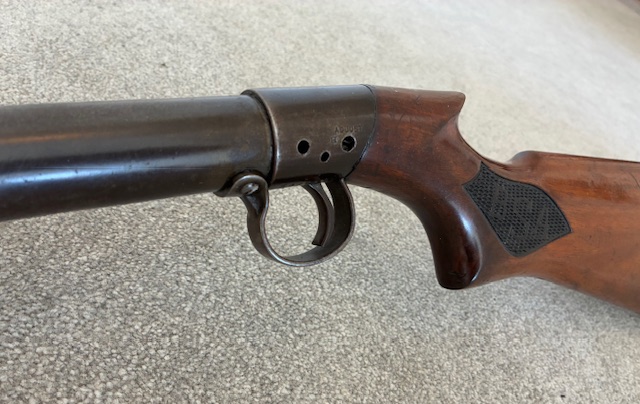
Here’s a great Youtube Review from Clive D Outdoors
The TAG Heuer CAH1111 Formula 1 is a fantastic entry point into the world of luxury sport watches. While some purists may prefer a mechanical

The TAG Heuer WAC1214 Formula 1 Diamond Watch strikes a perfect balance between a high-performance sports watch and a glamorous piece of jewelry. It’s a

The TAG Heuer 384.513/1 is a fascinating and important watch. It’s a reminder of a pivotal time in horological history and a testament to TAG