





TAG Heuer CAH1111 Formula 1 Watch.
The TAG Heuer CAH1111 Formula 1 is a fantastic entry point into the world of luxury sport watches. While some purists may prefer a mechanical
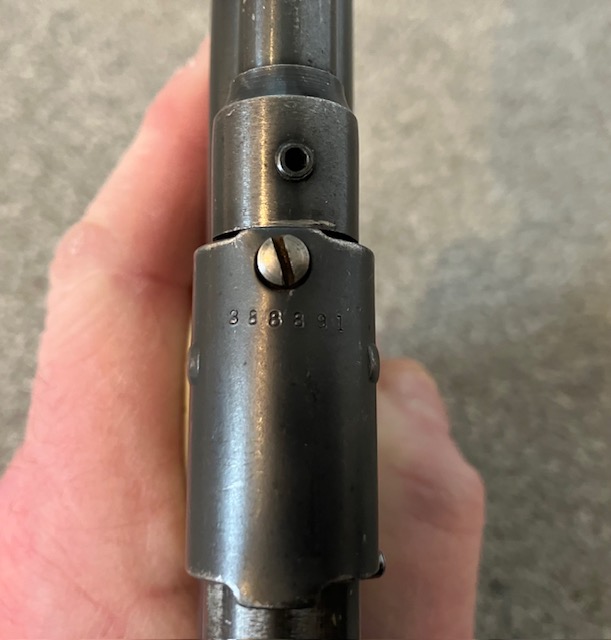
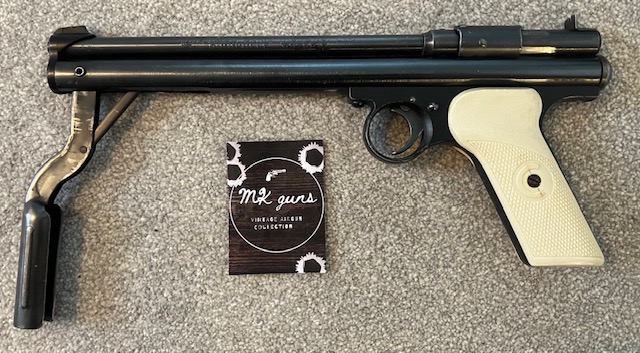
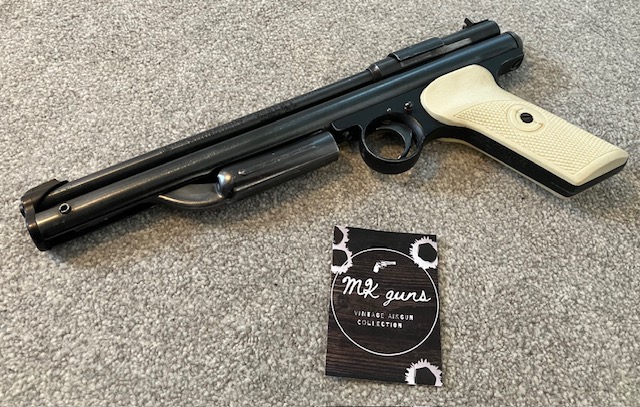
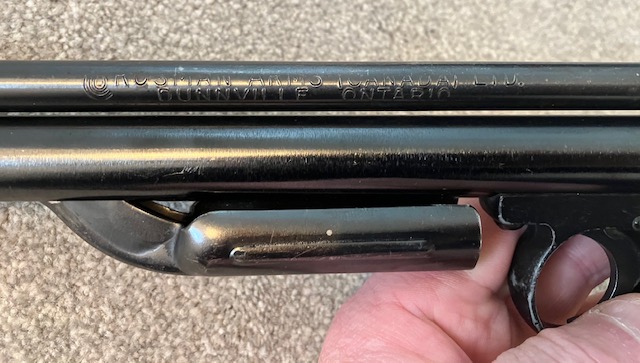
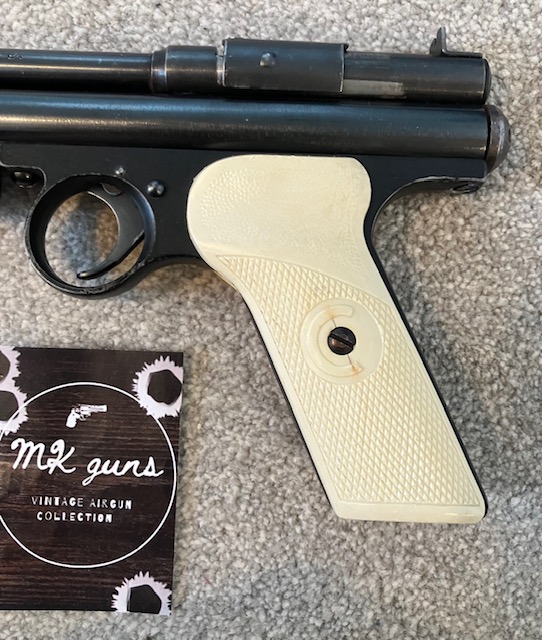
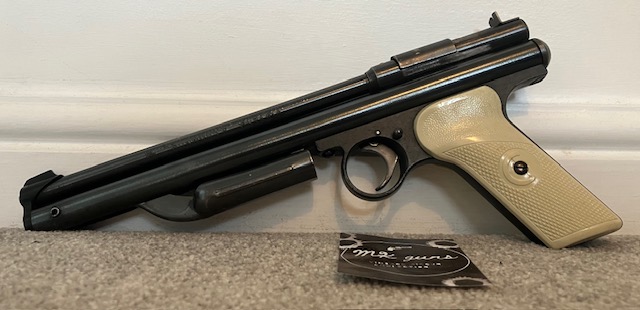
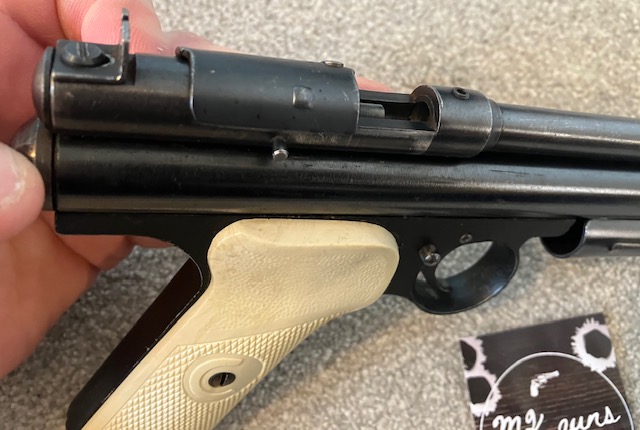
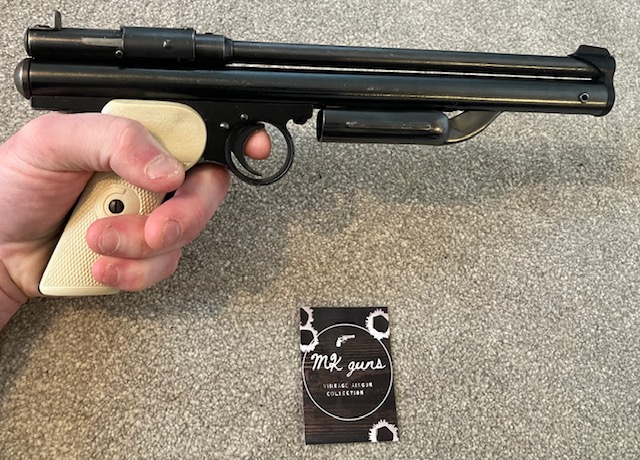
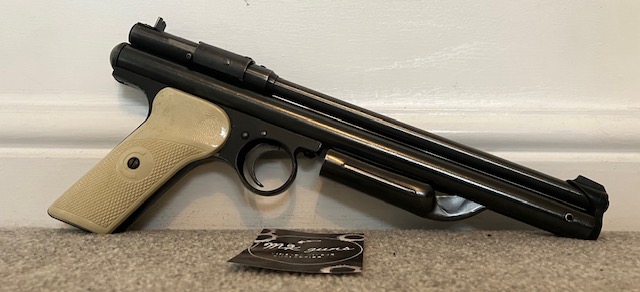
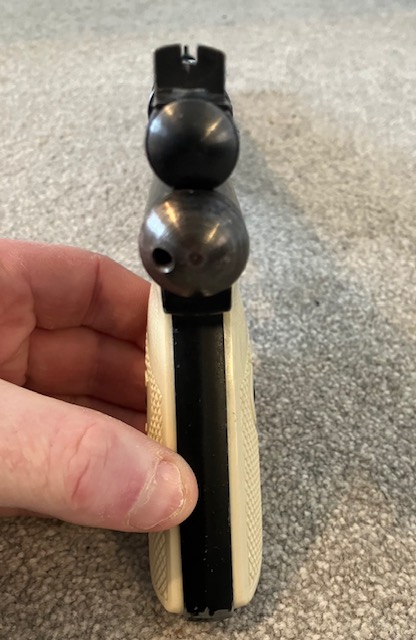
The Crosman 130 air pistol holds a special place in the hearts of airgun enthusiasts. Produced from 1953 to 1970, it wasn’t just another plinking pistol; it was a testament to Crosman’s long-standing dedication to pushing the boundaries of airgun technology. To understand the 130’s significance, we need to delve into Crosman’s rich history and explore the features that made this pneumatic powerhouse a legend.
Crosman: A Pioneering Spirit
The Crosman story began in 1924 when Lucian Crosman, a visionary entrepreneur, saw the potential for compressed air rifles. He established the Crosman Arms Company in Rochester, New York, with a simple mission: to develop reliable and affordable airguns for the everyday shooter. Their initial offerings were single-shot, break-barrel designs, but Crosman quickly embraced innovation.
In the 1930s, Crosman introduced the groundbreaking Crosman Model 100, the first commercially successful CO2 air pistol. This innovative design used pre-charged CO2 cartridges to propel pellets, offering unrivaled convenience and rapid fire. The Model 100 paved the way for a new era of airgun performance and accessibility.
The Rise of the Multi-Pump Pneumatic
Following the success of the CO2 platform, Crosman set its sights on another exciting technology: the multi-pump pneumatic (PCP) system. PCP airguns use a lever or pump to compress air within a reservoir, which then propels the projectile. This design offered several advantages, including the ability to adjust power by varying the number of pumps and the elimination of the need for CO2 cartridges.
In 1947, Crosman introduced the Model 105 and 106, their first foray into PCP pistols. These early models laid the groundwork for the iconic Crosman 130.
The Crosman 130: A Masterpiece of Design
The Crosman 130, introduced in 1953, marked a significant leap forward in PCP air pistol technology. Here’s what made it stand out:
The SPC and Beyond
While the Crosman 130 was a standalone success, it wasn’t the only PCP pistol Crosman offered during this period. The Crosman 140, introduced in the 1960s, boasted a pre-charged air reservoir that could be filled from a scuba tank or a hand pump, eliminating the need for manual pumping. This innovation offered consistent power and was a precursor to modern PCP air rifles.
A Legacy That Endures
The Crosman 130’s production ended in 1970, but its legacy lives on. It remains a sought-after collectible by airgun enthusiasts, and its influence can be seen in many modern PCP designs. The 130’s success cemented Crosman’s position as a leader in airgun innovation, paving the way for a future filled with powerful, accurate, and versatile airguns.
Beyond the 130: Crosman’s Continued Evolution
Following the 130, Crosman continued to push boundaries. They introduced innovative CO2 and PCP air rifles, pioneered break-barrel designs, and embraced new technologies like pre-charged pneumatic airbows. Today, Crosman remains a major player in the airgun industry, offering a vast array of airguns for recreation, target shooting, and hunting.
The Crosman 130’s vintage status presents unique considerations for those who own or plan to acquire one. Here’s what you need to know:
Finding a Crosman 130
Due to their collectability, Crosman 130s can be found on online marketplaces and airgun forums. Prices vary depending on condition, with pristine examples fetching higher prices. Exercise caution when buying online and ensure the seller provides clear pictures and descriptions.
Condition Check
Before purchasing a used Crosman 130, perform a thorough inspection. Look for signs of wear like rust, cracks in the grips or stock (if present), and damage to the barrel or sights. Ensure the pump action functions smoothly and the safety mechanism operates correctly.
Maintenance Tips
Maintaining a vintage airgun like the 130 is crucial for safety and optimal performance. Here are some tips:
Safety First
Always prioritize safety when using your Crosman 130. Here are some important safety practices:
Using Your Crosman 130
The Crosman 130 offers a unique shooting experience. Here are some pointers:
The Crosman 130: A Timeless Legacy
Owning and using a Crosman 130 is more than just shooting an air pistol; it’s connecting with a piece of airgun history. With proper care and respect, this vintage PCP pistol can continue to provide enjoyment and a glimpse into the innovative spirit that has driven the airgun industry forward.
The TAG Heuer CAH1111 Formula 1 is a fantastic entry point into the world of luxury sport watches. While some purists may prefer a mechanical

The TAG Heuer WAC1214 Formula 1 Diamond Watch strikes a perfect balance between a high-performance sports watch and a glamorous piece of jewelry. It’s a

The TAG Heuer 384.513/1 is a fascinating and important watch. It’s a reminder of a pivotal time in horological history and a testament to TAG