PCP (Pre-Charged Pneumatic) and Springer (Spring-Piston) are two common types of air rifles, each with its own unique characteristics and advantages. Let’s explore the differences between them:
Power Source:
PCP Air Rifle: PCP air rifles are powered by compressed air or gas, usually stored in a removable air reservoir or cylinder. The reservoir is filled using a high-pressure pump or a SCUBA tank. The compressed air propels the pellet when the trigger is pulled.
Springer Air Rifle: Springer air rifles use a coiled spring and a piston as their power source. When the trigger is pulled, the spring is released, pushing the piston forward to compress air within the chamber. Upon reaching a certain pressure, the air is released, propelling the pellet out of the barrel.
Cocking Mechanism:
PCP Air Rifle: PCP air rifles have a relatively smooth and easy cocking mechanism, as the user does not need to physically compress a spring. Cocking is done by filling the air reservoir with compressed air or gas.
Springer Air Rifle: Springer air rifles require manual cocking before each shot. This involves physically breaking the barrel or underlever, compressing the spring, and latching it into place.
Recoil:
PCP Air Rifle: PCP air rifles have very little recoil due to the absence of a coiled spring. The recoil is minimal, which can contribute to improved accuracy and easier follow-up shots.
Springer Air Rifle: Springer air rifles produce a noticeable recoil and vibration during the shot cycle, which can make it slightly more challenging to maintain consistent accuracy.
Accuracy:
PCP Air Rifle: PCP air rifles are known for their excellent accuracy, especially in high-end models. The consistent power delivery and lack of significant recoil contribute to this advantage.
Springer Air Rifle: While springer air rifles can also be accurate, achieving consistent accuracy can be more challenging due to the recoil and additional movements involved during the shot cycle.
Ammunition Types:
Both PCP and Springer air rifles can typically fire a variety of pellets, including diabolo pellets, round balls, and other specialized ammunition. The accuracy and performance may vary depending on the specific rifle and the type of ammunition used.
Maintenance:
PCP Air Rifle: PCP air rifles require regular maintenance of the air reservoir and the associated seals to ensure optimal performance. Additionally, users must keep the air reservoir filled.
Springer Air Rifle: Springer air rifles are generally easier to maintain since they have fewer moving parts and do not rely on external air sources. However, the spring may need to be replaced after a certain number of shots.
Ultimately, the choice between a PCP or Springer air rifle depends on individual preferences and shooting needs. PCP rifles are favored for their accuracy and ease of shooting, making them suitable for target shooting and hunting. On the other hand, Springer rifles can be more affordable, and their self-contained design makes them a popular choice for beginners and enthusiasts alike.
Shooting Experience:
PCP Air Rifle: PCP air rifles offer a more user-friendly shooting experience, especially in terms of cocking and reduced recoil. The smooth shooting cycle allows for quicker follow-up shots, making them suitable for shooting sessions that require multiple shots in succession.
Springer Air Rifle: Shooting a springer air rifle requires a bit more technique and practice. The cocking process can take a bit longer, and the recoil demands more effort to control for accurate shooting. Some shooters enjoy the challenge and satisfaction of mastering the unique characteristics of springer rifles.
Noise Level:
PCP Air Rifle: PCP air rifles tend to be quieter than springer air rifles due to their design and lack of significant recoil. The compressed air release is generally less noisy, making them suitable for shooting in urban or noise-sensitive areas.
Springer Air Rifle: Springer air rifles can produce a noticeable “twang” or “buzz” sound during the shot cycle, which can be louder than PCP rifles. This can be a consideration if you plan to shoot in quiet environments.
Weight and Size:
PCP Air Rifle: PCP air rifles are typically heavier due to the inclusion of the air reservoir or cylinder. The weight distribution can vary depending on the model, and some may have a more balanced feel.
Springer Air Rifle: Springer air rifles are often lighter and more compact than PCP rifles, making them easier to handle and carry for extended shooting sessions or hunting trips.
Ammunition Consistency:
PCP Air Rifle: PCP air rifles generally offer more consistent shot-to-shot velocities, especially in regulated models. This consistency can lead to improved accuracy and tighter shot groups.
Springer Air Rifle: Springer air rifles can exhibit slightly more variation in shot velocities due to the nature of the spring-powered mechanism. This may affect shot placement, especially at longer distances.
In conclusion, both PCP and Springer air rifles have their strengths and are suitable for different shooting purposes and preferences. PCP rifles offer smoother shooting, reduced recoil, and excellent accuracy, making them popular choices for target shooting and hunting. On the other hand, Springer rifles provide a unique shooting experience, are often more affordable, and can still offer good accuracy with practice.
When choosing between a PCP or Springer air rifle, consider your shooting goals, preferred shooting style, budget, and whether the added maintenance and equipment (e.g., air pump or SCUBA tank for PCP) align with your needs. Ultimately, the best air rifle for you will be the one that fits your shooting requirements and brings you the most enjoyment during your shooting adventures.
ost:
PCP Air Rifle: PCP air rifles tend to be more expensive than springer air rifles. The initial cost includes the rifle itself and potentially additional accessories like a high-pressure air pump or a SCUBA tank for filling the air reservoir. However, they often offer superior accuracy and performance.
Springer Air Rifle: Springer air rifles are generally more budget-friendly, making them an attractive option for those who want to get into airgun shooting without a significant upfront investment. Their self-contained design also eliminates the need for additional air-filling equipment.
Power Adjustability:
PCP Air Rifle: Many PCP air rifles offer adjustable power settings. This feature allows you to fine-tune the rifle’s power output for different shooting scenarios, such as long-range accuracy or close-range pest control.
Springer Air Rifle: Springer air rifles typically do not have adjustable power settings, and their power output is fixed based on the spring’s design. However, there are some models with gas ram technology that may offer a bit of adjustability.
Shooting Range:
PCP Air Rifle: PCP air rifles are known for their longer effective shooting ranges, especially in higher-powered models. With consistent velocities and minimal recoil, they can deliver accurate shots at longer distances.
Springer Air Rifle: Springer air rifles are generally better suited for shorter to medium shooting distances. Their inherent recoil and shot cycle complexity can make it more challenging to maintain consistent accuracy at longer ranges.
Ease of Learning:
PCP Air Rifle: PCP air rifles are more user-friendly for beginners due to their smooth shooting cycle and reduced recoil. They allow newcomers to focus on developing their shooting skills without being distracted by managing a more complex shot cycle.
Springer Air Rifle: While springer air rifles can be learned and mastered, they may require more patience and practice to achieve consistent accuracy. Proper technique, including mastering the artillery hold (a shooting grip that accommodates the rifle’s recoil), is essential for achieving good results.
Customization Options:
PCP Air Rifle: PCP air rifles often offer more customization possibilities, such as adjustable stocks, accessory rails, and interchangeable barrels. Shooters who enjoy tinkering and personalizing their rifles may find PCP options more appealing.
Springer Air Rifle: Springer air rifles typically have fewer customization options due to their simpler design. However, some aftermarket accessories, like scopes and triggers, may still be available for certain models.
Ultimately, the decision between a PCP and Springer air rifle will depend on factors such as your shooting preferences, budget, shooting range, and interest in maintenance and customization. Whether you choose the smooth and accurate shooting of a PCP or the unique challenge of mastering a springer, both types of air rifles offer a lot of enjoyment for airgun enthusiasts and shooters of all levels.
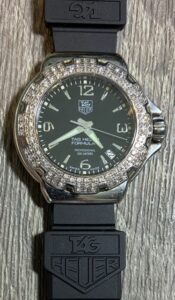
The TAG Heuer WAC1214 Formula 1 Diamond Watch strikes a perfect balance between a high-performance sports watch and a glamorous piece of jewelry. It’s a