Shoud I use a sound moderator on my Air Rifle. Summary
Shoud I use a sound moderator on my Air Rifle. Images
Shoud I use a sound moderator on my Air Rifle. Description
Whether or not you should use a sound moderator on your air rifle depends on your specific needs and circumstances. Here are some factors to consider:
Noise Reduction: One of the primary benefits of using a sound moderator (also known as a suppressor or silencer) is reducing the noise produced when firing your air rifle. This can be beneficial if you want to minimize disturbance to others, especially if you’re shooting in a residential area or near sensitive wildlife.
Legal Considerations: Before using a sound moderator, ensure that it is legal to do so in your area. Different countries and regions have varying regulations regarding the use of suppressors on air rifles and firearms. Always comply with local laws and regulations.
Shooting Environment: If you mainly shoot in controlled environments like shooting ranges where noise may not be a significant concern, the use of a sound moderator might not be as essential.
Precision Shooting: Some shooters prefer using sound moderators because they can improve shooting accuracy by reducing muzzle movement caused by recoil. This is more relevant for high-powered air rifles used in hunting or target shooting.
Air Rifle Design: Not all air rifles are compatible with sound moderators. Ensure that the air rifle you have can be fitted with a moderator before making a purchase.
Weight and Size: Sound moderators add weight and length to your air rifle, which might affect the balance and handling. Consider whether the added weight is acceptable to you, especially if you plan on carrying the rifle for extended periods.
Ultimately, the decision to use a sound moderator on your air rifle is up to you and should align with your shooting preferences, local laws, and the specific purpose of your shooting activities. If you’re unsure, it’s best to seek advice from experienced shooters or experts in your area.
Safety and Hearing Protection: While sound moderators can reduce the noise of your air rifle, it’s essential to remember that they don’t make the gun completely silent. The discharge noise will still be present, albeit at a reduced level. Always wear appropriate hearing protection to safeguard your hearing while shooting.
Shooting with Others: If you frequently shoot with others, using a sound moderator can be considerate, as it helps to minimize the noise and potential disturbance to fellow shooters or bystanders.
Legal Restrictions on Game Hunting: If you plan to use the air rifle for hunting, be aware that some regions may have legal restrictions on the use of sound moderators for hunting specific game species. Check the local hunting regulations to ensure you comply with the laws and ethical considerations for responsible hunting practices.
Maintenance and Cleaning: Adding a sound moderator to your air rifle means additional components that require maintenance. Make sure to clean and inspect the moderator regularly to ensure it functions properly and doesn’t affect the rifle’s accuracy.
Performance Impact: Some air rifles might experience a slight decrease in velocity or accuracy when using a sound moderator. Test your air rifle’s performance with and without the moderator to see if there are any noticeable differences.
Cost: Sound moderators can be an additional expense. Consider whether the benefits of reduced noise and potential accuracy improvements justify the cost for your shooting needs.
Legal Definitions: In some jurisdictions, sound moderators might be classified as firearms accessories and subjected to their regulations, even if they are used on air rifles. Verify how the local laws treat sound moderators in relation to air rifles.
In conclusion, using a sound moderator on your air rifle can have its benefits, such as reducing noise and potentially improving accuracy. However, it is essential to consider legal requirements, shooting preferences, hunting regulations, and safety considerations before making a decision. Always prioritize safety, legality, and ethical shooting practices while enjoying your air rifle activities. If you have any doubts or questions, reach out to local shooting clubs or authorities for guidance.
Personal Preference: Ultimately, the decision to use a sound moderator on your air rifle comes down to your personal preferences and shooting goals. If you find that the benefits of reduced noise and potential accuracy improvements outweigh any drawbacks, then using a sound moderator could be a viable option.
Trying Before Buying: If possible, try shooting with a sound moderator attached to your air rifle before making a final decision. This hands-on experience will give you a better understanding of how it affects the rifle’s handling, balance, and noise reduction.
Compatibility and Fit: Ensure that the sound moderator you choose is compatible with your specific air rifle model. Different air rifles have various barrel diameters and thread sizes, so it’s essential to select a sound moderator that fits your rifle correctly.
Legitimate Sources: When purchasing a sound moderator, always buy from reputable and authorized sources. This ensures that you are getting a quality product that meets safety standards and legal requirements.
Maintenance of Sound Moderator: Just like any other firearm accessory, proper care and maintenance of the sound moderator are crucial for its longevity and optimal performance. Refer to the manufacturer’s instructions for cleaning and storage guidelines.
Legal Transfers: If you decide to purchase a sound moderator, make sure to comply with all legal transfer requirements. In some places, there may be specific procedures for owning and using such accessories.
Responsible Use: Whether you choose to use a sound moderator or not, always practice responsible shooting behavior. Follow safety guidelines, keep your air rifle secure when not in use, and respect others’ property and privacy when shooting.
Remember that laws and regulations regarding sound moderators may change over time, so it’s essential to stay updated on local and national firearm-related legislation.
If you’re unsure about any aspect of using a sound moderator on your air rifle or have specific questions related to your shooting activities, consider consulting with experienced shooters, gunsmiths, or local shooting clubs. They can provide valuable insights based on their practical experience and knowledge of the local shooting community.
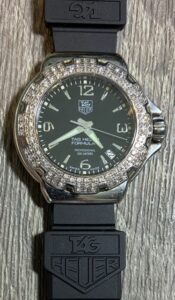
The TAG Heuer WAC1214 Formula 1 Diamond Watch strikes a perfect balance between a high-performance sports watch and a glamorous piece of jewelry. It’s a