




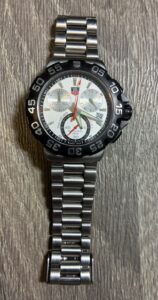
TAG Heuer CAH1111 Formula 1 Watch.
The TAG Heuer CAH1111 Formula 1 is a fantastic entry point into the world of luxury sport watches. While some purists may prefer a mechanical

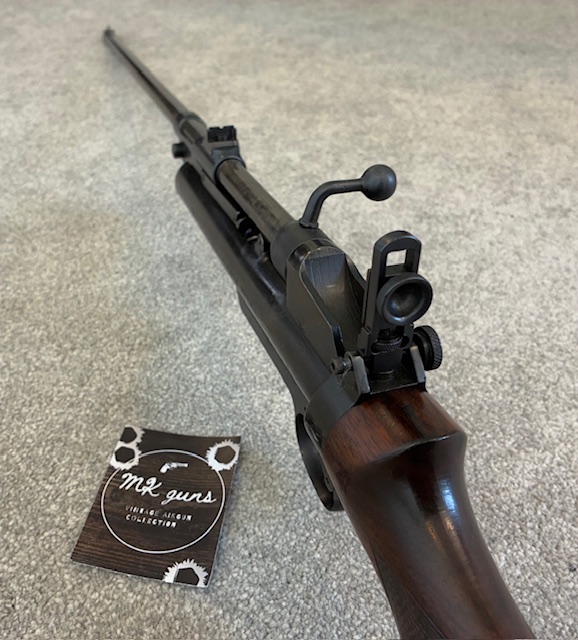
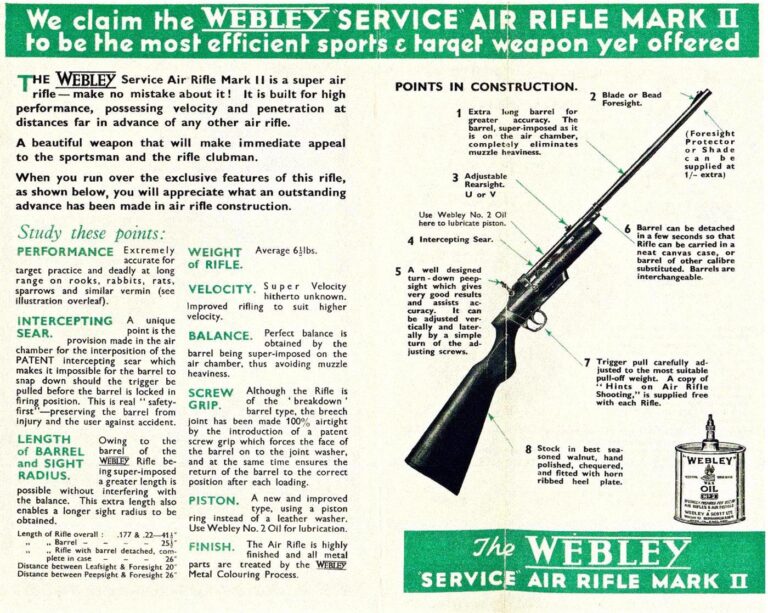
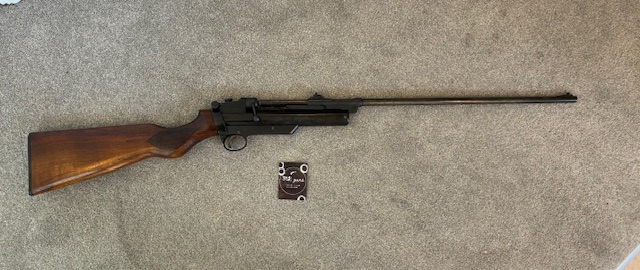
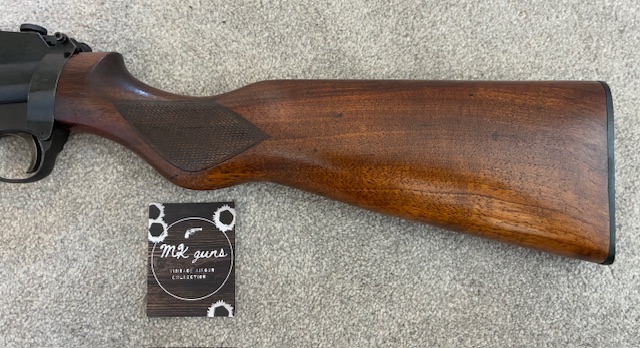
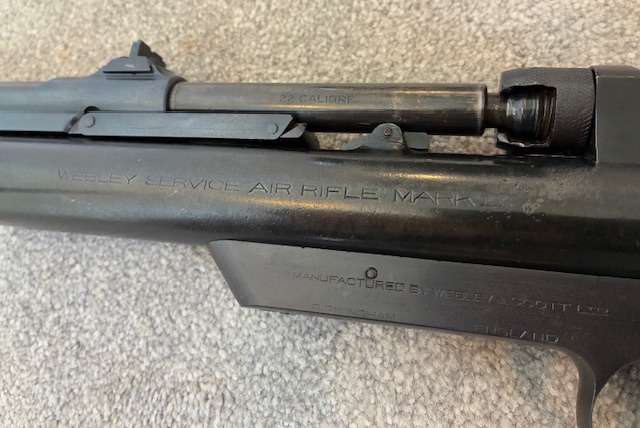
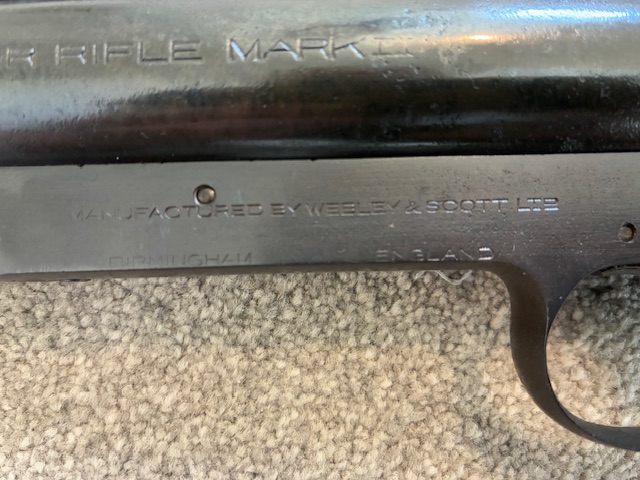
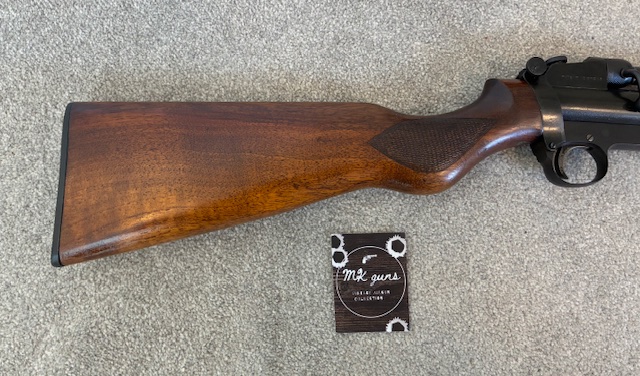
The Webley Service .22 Rifle MK2 stands as a testament to British engineering prowess and a cornerstone in the history of airguns. More than just a recreational plinker, this rifle was designed with a serious purpose: providing affordable and realistic training for service personnel during a pivotal era. Its robust construction, innovative features, and enduring legacy have cemented its place as a highly sought-after collector’s item and a joy to shoot for those fortunate enough to own one.
Webley & Scott, a name synonymous with quality firearms since the late 18th century, ventured into the airgun market in the early 1900s. Following the introduction of their Mark I air pistol in 1924 and the Mark I air rifle in 1926, the Webley Service Air Rifle Mark II emerged in 1929. This new model was a significant improvement over its predecessor, being both larger and more robust.
The “Service” designation was not merely a marketing gimmick; the rifle was indeed adopted by the UK military for training recruits. This was a critical need, as it offered a cost-effective alternative to live-fire drills, allowing soldiers to practice fundamental marksmanship skills. Production of the MK2 continued until 1946, a testament to its effectiveness and popularity, even through the tumultuous years of World War II. Its role in wartime training further solidifies its historical significance. Many of these rifles found their way back to England in the luggage of returning service personnel, adding to their individual stories and charm.
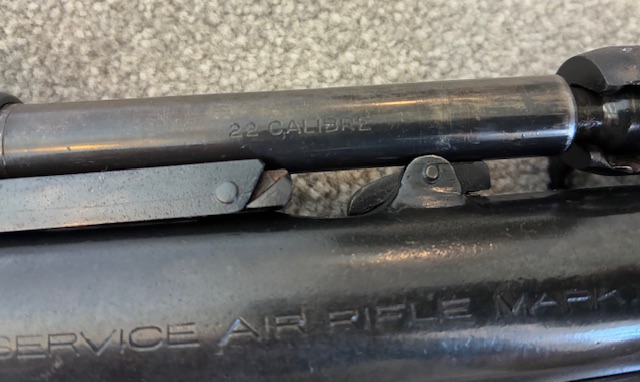
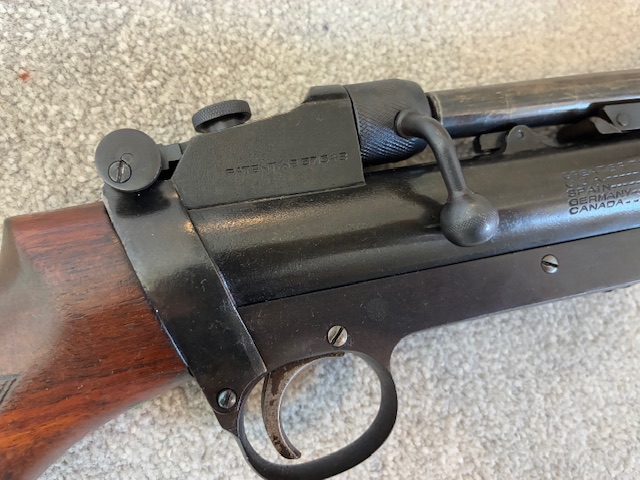
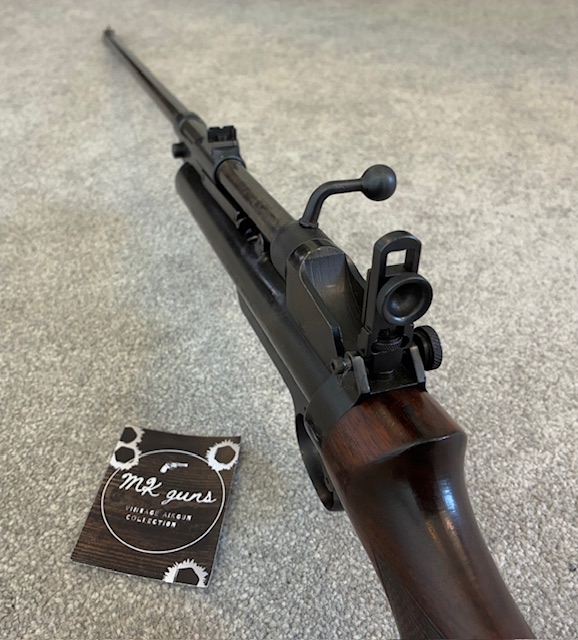
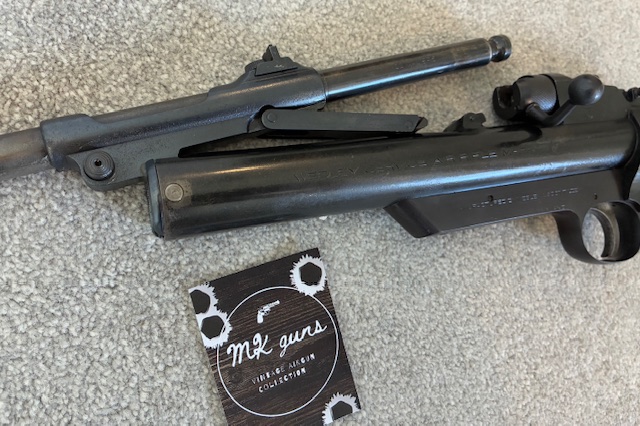
The Webley Service MK2 is a break-barrel, spring-powered air rifle that boasts several distinctive and forward-thinking features for its time.
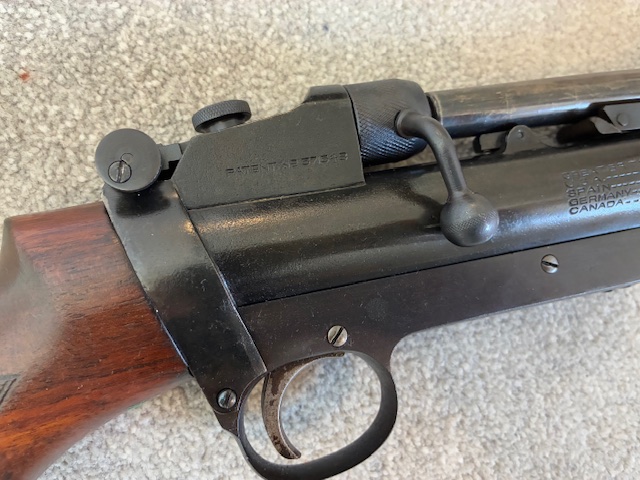
Key Specifications:
Firing a Webley Service MK2 is an experience unlike many modern air rifles. Its robust build and substantial weight immediately convey a sense of quality and durability. The cocking action, while requiring a firm pull, is smooth and deliberate. The unique bolt-action breech sealing mechanism is satisfying to operate, ensuring a tight lock-up before each shot.
The most notable characteristic of the MK2’s shooting experience is often the “dieseling” effect. When correctly lubricated with the appropriate oil, a small puff of blue smoke may accompany the shot, a hallmark of its design. This intentional dieseling contributes to the rifle’s unique feel and can, when managed correctly, provide a decent power output, though it typically falls well below the modern 12 ft/lb legal limit in the UK. Owners often report power levels in the range of 9-10 ft/lbs.
Accuracy, while not on par with high-end modern target rifles, is generally good for its intended purpose. The dual sighting system, particularly the peep sight, allows for a respectable level of precision, especially at closer ranges. Shooters report consistent hits on targets, making it a satisfying rifle for garden plinking and informal target practice. The recoil characteristics are also unique; due to the piston recoiling towards the shooter, some argue it offers a more realistic “full-bore type of experience” than many spring-piston airguns.
The trigger, often described as clean-breaking, further enhances the shooting experience, allowing for predictable shot release. However, the lack of a traditional forearm means that adopting a consistent “artillery hold” can be challenging, as the shooter often ends up supporting the flat metal bottom of the receiver. Despite this, dedicated enthusiasts find ways to manage the rifle effectively.
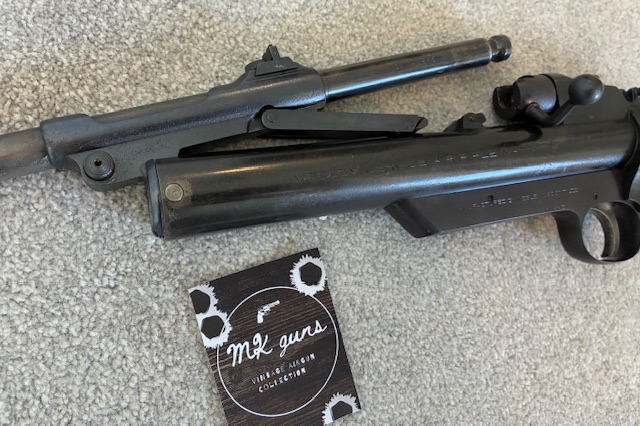
The Webley Service .22 Rifle MK2 is a highly sought-after collectible in the airgun world. Its historical significance as a military training rifle, combined with Webley’s reputation for quality and the rifle’s unique design features, drives its desirability.
Several factors influence its collectibility and value:
While prices can vary widely depending on the factors above and the specific market, a well-preserved Webley Service MK2 can easily command several hundred to well over a thousand pounds, with cased sets reaching even higher figures. They represent a tangible piece of British airgun and military history, making them an attractive investment for serious collectors.
Heres a popular Youtube Video on the Webley Service Rifle
The TAG Heuer CAH1111 Formula 1 is a fantastic entry point into the world of luxury sport watches. While some purists may prefer a mechanical
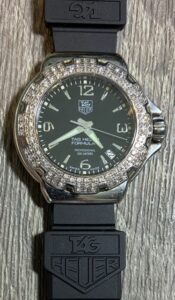
The TAG Heuer WAC1214 Formula 1 Diamond Watch strikes a perfect balance between a high-performance sports watch and a glamorous piece of jewelry. It’s a
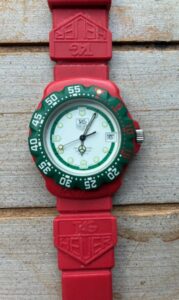
The TAG Heuer 384.513/1 is a fascinating and important watch. It’s a reminder of a pivotal time in horological history and a testament to TAG