What can I shoot with my Air Rifle in the UK. Summary
What can I shoot with my Air Rifle in the UK. Images
What can I shoot with my Air Rifle in the UK. Description
In the UK, the laws and regulations regarding the use of air rifles are quite strict, and there are specific guidelines on what you can and cannot shoot with an air rifle. Generally, air rifles are considered low-powered firearms and are subject to different rules than traditional firearms.
Target shooting: You can use your air rifle for target shooting on private land with the permission of the landowner. Additionally, you can shoot at approved shooting ranges and clubs that cater to air rifle shooting.
Pest control: You can use an air rifle for pest control, such as vermin (e.g., rats and pigeons) on private land, provided you have permission from the landowner or occupier. It’s essential to adhere to the Wildlife and Countryside Act 1981, which protects certain bird species and animals.
Small game: In some cases, you may be able to shoot certain small game species under a general license, which allows for the control of pests that can cause damage or carry diseases. However, you must ensure you comply with the specific conditions of the general license.
Hunting: In the UK, hunting with air rifles is generally not permitted for larger animals or game. It is essential to know the specific laws and regulations in your area regarding hunting and the use of air rifles.
Self-defense: Using an air rifle for self-defense is not legal in the UK. Firearms, including air rifles, are not considered appropriate for personal protection, and using them for self-defense could lead to serious legal consequences.
Remember, it is your responsibility to know and follow the laws and regulations concerning air rifles in the UK. Always use your air rifle safely and responsibly, and seek advice from local authorities or shooting clubs if you have any doubts about the legality of shooting in specific areas or for certain purposes.
Plinking: You can engage in plinking, which involves shooting at non-living targets like cans, bottles, or other safe objects on private land with permission or at designated shooting ranges.
Firearms Certificate: If your air rifle has a muzzle energy exceeding the legal limit (currently 12 ft-lbs or 16.27 joules), it will be classified as a firearm, and you’ll need a valid Firearms Certificate (FAC) to possess and use it. This is subject to local laws, and it’s essential to check the specific regulations in your area.
Transportation: When transporting your air rifle, ensure it is not loaded and is securely stored in a suitable case. It’s also advisable to have a legitimate reason for transporting it, such as going to a shooting range or a pest control site.
Age restrictions: There are age restrictions for using air rifles in the UK. If you are under 18 years old, you cannot purchase an air rifle and must always be supervised by someone over 21 while using one.
Prohibited areas: It is illegal to discharge an air rifle within 50 feet (about 15 meters) of the center of a public highway or road. Additionally, be mindful of shooting near schools, playgrounds, and other public areas where it could pose a danger to others.
Silencers: If you want to use a silencer (sound moderator) on your air rifle, you must ensure it is legal and meets the specifications set by the authorities.
Remember, laws can change, and regulations may vary depending on your location within the UK, so it is crucial to stay updated with the latest legislation concerning air rifles. Always prioritize safety, responsible shooting, and compliance with the law when using your air rifle. If you have any doubts or questions, it’s best to seek advice from local shooting clubs or authorities who can provide accurate and up-to-date information.
Proper handling and storage: It is essential to handle your air rifle responsibly and safely. Always treat it as if it were a real firearm and follow basic gun safety rules, such as never pointing it at anything you do not intend to shoot and keeping your finger off the trigger until ready to fire. When not in use, store your air rifle in a secure and locked location, separate from ammunition, to prevent unauthorized access.
Theft and vandalism prevention: Be mindful of the security of your air rifle to prevent theft or unauthorized use. Never leave it unattended in a vehicle or in plain sight where it may attract unwanted attention.
Disposal: If you decide to dispose of your air rifle, you should do so responsibly. Contact your local police or firearms licensing department for guidance on how to properly surrender or dispose of the air rifle following legal procedures.
Airgun licensing in Scotland: In Scotland, the law is slightly different, and all airguns require a specific Air Weapon Certificate (AWC). This law was introduced in 2016, making it an offense to possess an airgun without an AWC.
Airgun safety training: While not legally required in the UK, taking a safety training course for air rifle shooting is highly recommended, especially for beginners. These courses can help you understand the laws, safety protocols, and responsible use of air rifles.
Joining a shooting club: If you are passionate about air rifle shooting, consider joining a local shooting club. Not only will this give you access to safe shooting ranges, but it can also provide a supportive community of experienced shooters who can offer guidance and tips.
Always remember that the rules and regulations regarding air rifles are in place to ensure the safety of everyone and to protect the environment. Being a responsible air rifle owner and shooter means understanding and adhering to these laws at all times. If you have any specific questions or concerns about air rifle use in your area, it is best to consult with local authorities or a knowledgeable expert in shooting sports and firearms law.
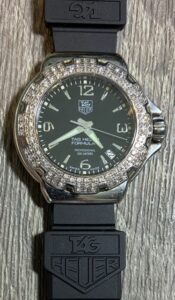
The TAG Heuer WAC1214 Formula 1 Diamond Watch strikes a perfect balance between a high-performance sports watch and a glamorous piece of jewelry. It’s a