
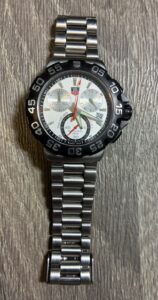
TAG Heuer CAH1111 Formula 1 Watch.
The TAG Heuer CAH1111 Formula 1 is a fantastic entry point into the world of luxury sport watches. While some purists may prefer a mechanical
An airgun is a type of firearm that uses compressed air or gas to propel a projectile. Unlike traditional firearms that use gunpowder, airguns rely on the power of compressed air or gas to shoot pellets, BBs (ball bearings), or sometimes arrows. They are often used for recreational shooting, target practice, small game hunting, and pest control.
Airguns come in various designs and power sources. The most common types include:
Airguns are generally less powerful than traditional firearms and are subject to various laws and regulations depending on the country and jurisdiction. It’s essential to follow local laws and safety guidelines when using airguns.
Airguns are popular for several reasons. They are often more affordable to shoot compared to traditional firearms, as ammunition costs are relatively low, especially for models that shoot pellets or BBs. Additionally, airguns are generally quieter and produce less recoil, making them suitable for backyard shooting or urban environments where noise and safety are concerns.
There are various types of airgun shooting disciplines, including target shooting, plinking (casual shooting at various targets), field target shooting (a precision sport involving shooting at metal targets set at varying distances and angles), and pest control.
When using an airgun, safety is of utmost importance. Even though they are less powerful than firearms, they can still cause serious injury or damage if mishandled. Always treat an airgun as if it were a real firearm, following the same safety rules:
Before using an airgun, familiarize yourself with the specific model’s features and operation by reading the manufacturer’s instructions carefully. Depending on your jurisdiction, there may be age restrictions and licensing requirements for owning and using airguns, so be sure to comply with local laws.
Always wear appropriate eye protection when shooting, as pellets or BBs can bounce back unexpectedly or cause splatter. Additionally, it’s a good practice to wear ear protection if you plan on shooting frequently, especially with powerful airgun models.
In conclusion, airguns are popular firearms alternatives that use compressed air or gas to propel projectiles. They come in various types and are used for recreational shooting, target practice, small game hunting, and pest control. Remember to prioritize safety, follow local laws and regulations, and enjoy the shooting sports responsibly.
Airguns can be found in various designs and styles to suit different purposes and preferences. Some airguns are designed to replicate the appearance and operation of real firearms and are known as “airsoft guns.” These airsoft guns shoot plastic BBs and are commonly used in recreational skirmishes and military simulation games.
For those interested in competitive shooting, there are airgun competitions held worldwide, ranging from local club matches to international events. Competitions often involve shooting at targets placed at various distances and positions, challenging the shooter’s accuracy and skill.
Airguns are also used for pest control, especially in urban and suburban areas where using traditional firearms may not be safe or legal. Pest control airguns are commonly used to eliminate pests like rats, pigeons, and squirrels that can be destructive or carry diseases.
When choosing an airgun, consider factors such as intended use, power source, caliber (the size of the projectile), and overall build quality. The most common calibers for airguns are .177 and .22, but other calibers are also available for specialized purposes.
Maintaining an airgun is essential for reliable and accurate performance. Regular cleaning, lubrication, and proper storage will prolong the life of the gun and ensure its optimal function. It’s crucial to follow the manufacturer’s guidelines for maintenance to avoid damaging the airgun.
As with any shooting activity, ethical hunting and responsible shooting practices are essential. Hunters should always respect local hunting laws, practice humane hunting techniques, and follow guidelines for sustainable wildlife management.
In recent years, airgun technology has seen advancements, leading to more powerful and sophisticated models. Some high-end airguns are capable of delivering remarkable accuracy and power, making them a serious option for serious shooters and enthusiasts.
As the popularity of airguns continues to grow, so does the availability of accessories and upgrades. These include scopes, mounts, bipods, custom stocks, and more, which can enhance the shooting experience and tailor the airgun to individual preferences.
In summary, airguns offer a diverse and enjoyable shooting experience for various purposes, from recreational target shooting to pest control and competitive sports. Responsible use, safety awareness, and compliance with local laws are vital aspects of enjoying airguns as a safe and satisfying shooting activity.
The TAG Heuer CAH1111 Formula 1 is a fantastic entry point into the world of luxury sport watches. While some purists may prefer a mechanical
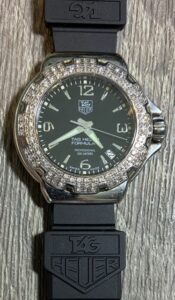
The TAG Heuer WAC1214 Formula 1 Diamond Watch strikes a perfect balance between a high-performance sports watch and a glamorous piece of jewelry. It’s a

The TAG Heuer 384.513/1 is a fascinating and important watch. It’s a reminder of a pivotal time in horological history and a testament to TAG